
David Brooks Books
David Brooks is an American cultural and political commentator, best known for his columns in The New York Times and his work as a commentator on PBS NewsHour. His writing often explores moral psychology, social behavior, and the intersection of politics and culture.
Known for: The Road to Character, How to Know a Person: The Art of Seeing Others Deeply and Being Deeply Seen, The Second Mountain: The Quest for a Moral Life, The Social Animal: The Hidden Sources of Love, Character, and Achievement
Books by David Brooks

The Road to Character
In The Road to Character, David Brooks argues that modern life has become overly focused on external success while neglecting the inner qualities that make a life truly admirable. We are taught to bui...
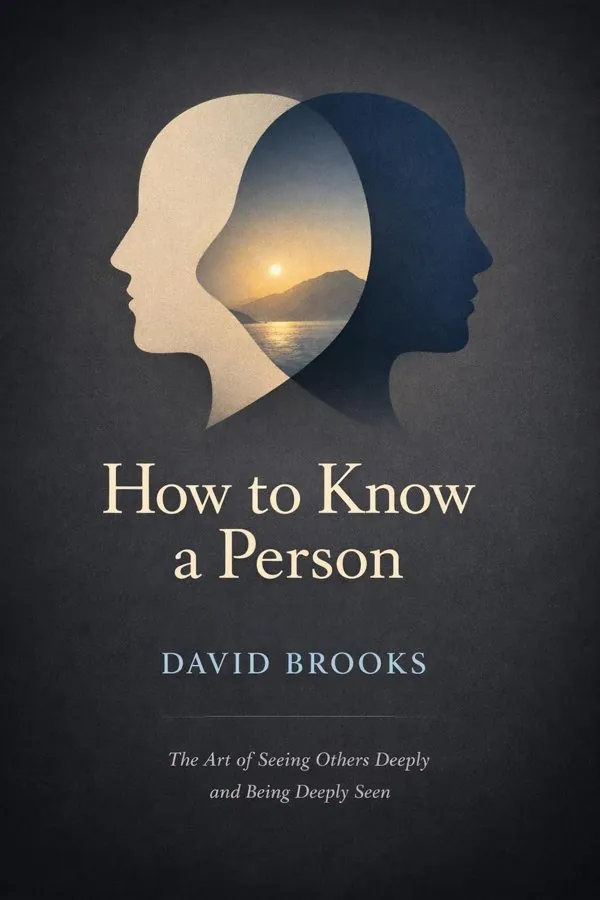
How to Know a Person: The Art of Seeing Others Deeply and Being Deeply Seen
In this book, David Brooks explores the essential human skill of truly understanding others. Drawing on psychology, philosophy, and personal experience, he examines how empathy, attention, and moral i...

The Second Mountain: The Quest for a Moral Life
What if the life society trains you to want is not the life that will finally satisfy you? In The Second Mountain, David Brooks argues that many people begin adulthood climbing a “first mountain” defi...
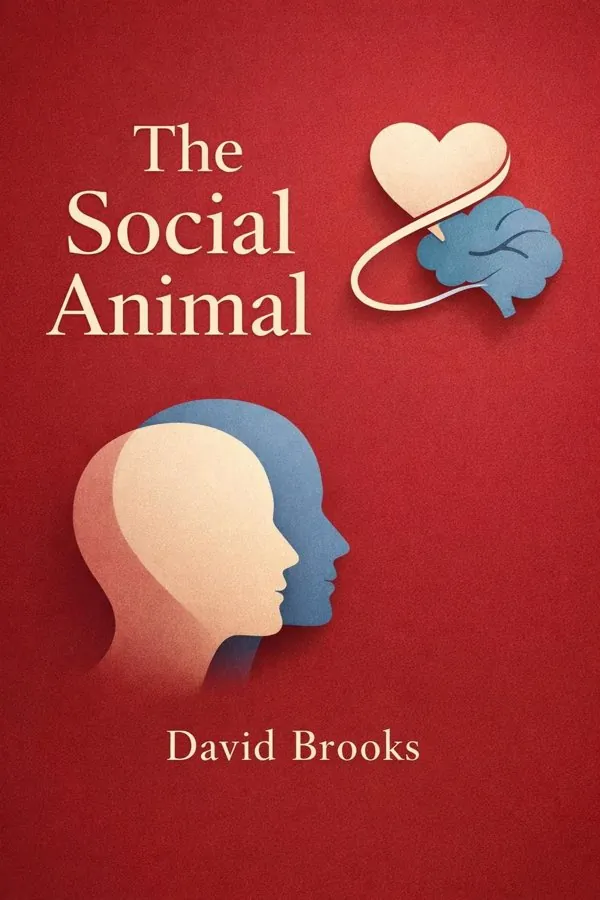
The Social Animal: The Hidden Sources of Love, Character, and Achievement
The Social Animal is David Brooks’s ambitious attempt to explain how people actually become who they are. Rather than treating human beings as purely rational decision-makers, Brooks argues that much ...
Key Insights from David Brooks
Adam I and Adam II
A meaningful life begins when you realize that success and goodness are not the same thing. Brooks frames the entire book around two sides of human nature: “Adam I,” the outward self that seeks achievement, status, and recognition, and “Adam II,” the inward self that longs for virtue, moral purpose,...
From The Road to Character
Frances Perkins and Moral Awakening
Character often begins not in comfort, but in a moment that wounds your conscience awake. Brooks uses Frances Perkins, the first woman to serve in a U.S. presidential cabinet, to show how moral purpose can emerge from direct confrontation with suffering. Perkins witnessed the Triangle Shirtwaist Fac...
From The Road to Character
Eisenhower’s Discipline and Self-Mastery
One of the clearest signs of maturity is the ability to govern yourself before trying to govern anything else. In Brooks’s portrait of Dwight Eisenhower, character is shown not as dramatic emotional intensity but as disciplined self-command. Eisenhower possessed ambition and talent, yet what disting...
From The Road to Character
Dorothy Day’s Radical Love and Faith
Real compassion becomes transformative when it moves beyond sentiment and enters the inconvenience of daily life. Brooks’s account of Dorothy Day, co-founder of the Catholic Worker Movement, explores a life shaped by spiritual hunger, social concern, and deep solidarity with the poor. Day did not me...
From The Road to Character
George Eliot and Moral Imagination
We become better people partly by learning to see other lives as fully real. In Brooks’s discussion of George Eliot, the great novelist emerges as a guide to moral imagination—the capacity to perceive the inner worlds, motives, struggles, and dignity of other people. Eliot’s genius was not merely li...
From The Road to Character
Samuel Johnson’s Battle with Himself
Character is not the absence of weakness; it is the honest struggle against it. Brooks’s portrait of Samuel Johnson is one of the book’s most human and encouraging chapters because Johnson was not naturally serene, polished, or morally effortless. He wrestled with depression, insecurity, laziness, a...
From The Road to Character
About David Brooks
David Brooks is an American cultural and political commentator, best known for his columns in The New York Times and his work as a commentator on PBS NewsHour. His writing often explores moral psychology, social behavior, and the intersection of politics and culture.




Frequently Asked Questions
David Brooks is an American cultural and political commentator, best known for his columns in The New York Times and his work as a commentator on PBS NewsHour. His writing often explores moral psychology, social behavior, and the intersection of politics and culture.
Read David Brooks's books in 15 minutes
Get AI-powered summaries with key insights from 4 books by David Brooks.