
Christopher Clark Books
Christopher Clark is a British historian and professor of modern European history at the University of Cambridge. He is known for his works on Prussian and German history, including 'Iron Kingdom: The Rise and Downfall of Prussia, 1600–1947'.
Known for: The Sleepwalkers: How Europe Went to War in 1914
Books by Christopher Clark
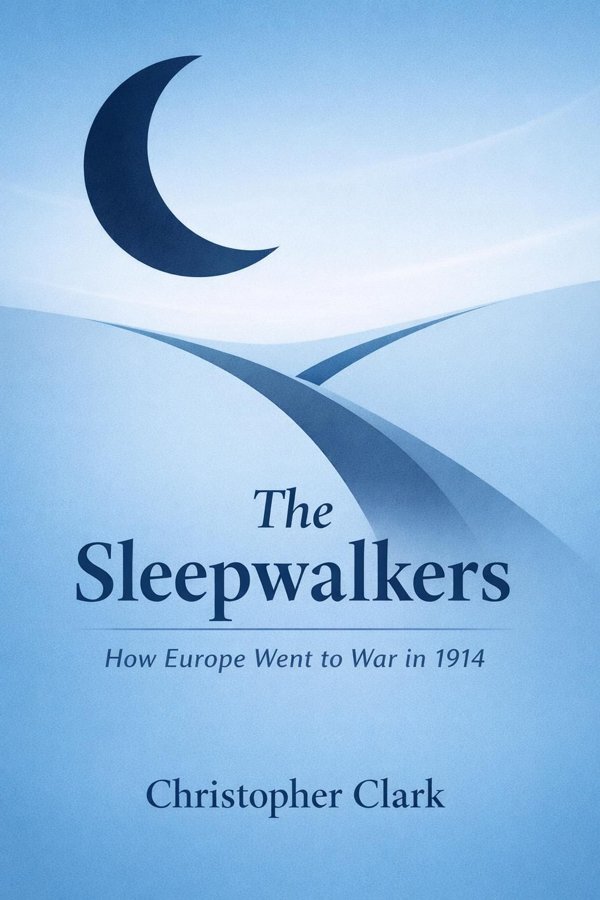
The Sleepwalkers: How Europe Went to War in 1914
Christopher Clark’s The Sleepwalkers: How Europe Went to War in 1914 is one of the most influential modern histories of the origins of the First World War. Rather than retelling a familiar story in which one nation bears sole responsibility, Clark reconstructs the tangled chain of crises, alliances, fears, ambitions, and errors that pushed Europe into catastrophe. His central insight is unsettling: the war was not inevitable, and it was not simply engineered by a single villain. It emerged from choices made by leaders across Europe who acted with purpose, yet without grasping the full consequences of their actions. The book matters because it challenges simplified moral narratives and replaces them with a sharper, more realistic view of how complex systems collapse. Clark moves from the unstable politics of the Balkans to the corridors of power in Vienna, Berlin, St. Petersburg, Paris, and London, revealing how local violence became a continental disaster. As a distinguished historian of modern Europe and a leading scholar of German and Prussian history, Clark brings exceptional authority, balance, and narrative power to the subject. The result is a gripping study of diplomacy, miscalculation, and political blindness that still feels urgently relevant.
Read SummaryKey Insights from Christopher Clark
Europe Before War Was Dynamic, Not Doomed
A common mistake in hindsight is to imagine pre-1914 Europe as a decaying old order simply waiting to collapse. Clark insists on the opposite: Europe was vibrant, innovative, wealthy, and politically alive. Industrial growth, technological change, mass politics, imperial competition, and cultural co...
From The Sleepwalkers: How Europe Went to War in 1914
Serbia And The Balkans Lit The Fuse
Great wars often begin at the margins rather than the center. In Clark’s account, the Balkans were not a mere prelude to the real story but the place where Europe’s larger rivalries became explosive. Serbia, emboldened after the Balkan Wars, emerged as both a rising regional power and a magnet for S...
From The Sleepwalkers: How Europe Went to War in 1914
Austria-Hungary Feared Disintegration From Within
Empires do not need to be militarily weak to feel politically fragile. One of Clark’s most important revisions is his portrait of Austria-Hungary as a state haunted by internal vulnerability. The Habsburg monarchy was not just a tired relic; it was a complex multinational empire trying to govern com...
From The Sleepwalkers: How Europe Went to War in 1914
Germany Was Powerful Yet Deeply Insecure
Power does not eliminate anxiety; it can intensify it. Clark presents Imperial Germany not as a cartoon aggressor with a single master plan, but as a formidable state trapped between ambition, encirclement fears, alliance obligations, and strategic impatience. Germany’s leaders believed time might b...
From The Sleepwalkers: How Europe Went to War in 1914
France And Russia Strengthened Escalation Dynamics
Alliances are designed to create security, but they can also multiply danger. Clark shows how France and Russia, often treated as reacting powers rather than initiating ones, were essential to the logic of escalation in 1914. Russia saw itself as protector of Serbia and as a great power whose presti...
From The Sleepwalkers: How Europe Went to War in 1914
The Assassination Was Catalyst, Not Sole Cause
History often remembers a dramatic event and forgets the system that gave it force. The assassination of Archduke Franz Ferdinand in Sarajevo was shocking, but Clark shows that its significance lay in how political actors interpreted and used it. Gavrilo Princip’s bullets did not mechanically produc...
From The Sleepwalkers: How Europe Went to War in 1914
About Christopher Clark
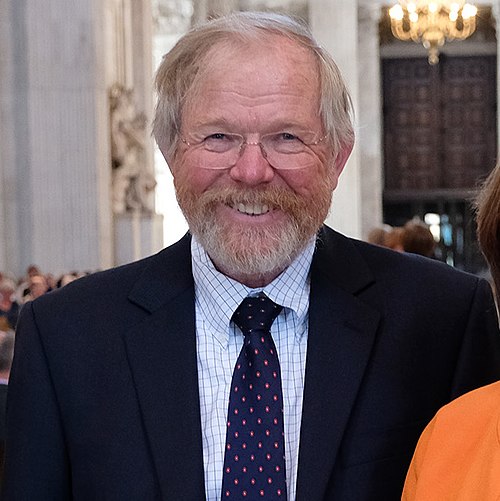
Christopher Clark is a British historian and professor of modern European history at the University of Cambridge. He is known for his works on Prussian and German history, including 'Iron Kingdom: The Rise and Downfall of Prussia, 1600–1947'. His scholarship is recognized for its depth, clarity, and...
Read more
Christopher Clark is a British historian and professor of modern European history at the University of Cambridge. He is known for his works on Prussian and German history, including 'Iron Kingdom: The Rise and Downfall of Prussia, 1600–1947'. His scholarship is recognized for its depth, clarity, and...
Christopher Clark is a British historian and professor of modern European history at the University of Cambridge. He is known for his works on Prussian and German history, including 'Iron Kingdom: The Rise and Downfall of Prussia, 1600–1947'. His scholarship is recognized for its depth, clarity, and balanced interpretation of complex historical events.


Frequently Asked Questions
Christopher Clark is a British historian and professor of modern European history at the University of Cambridge. He is known for his works on Prussian and German history, including 'Iron Kingdom: The Rise and Downfall of Prussia, 1600–1947'.
Read Christopher Clark's books in 15 minutes
Get AI-powered summaries with key insights from 1 book by Christopher Clark.