
Catherine M. Pittman Books
Pittman, PhD, is a clinical psychologist and professor of psychology at Saint Mary’s College in Notre Dame, Indiana.
Known for: Rewire Your Anxious Brain: How to Use the Neuroscience of Fear to End Anxiety, Panic, and Worry, Rewire Your OCD Brain: Powerful Neuroscience-Based Skills to Break Free from Obsessive Thoughts and Fears
Books by Catherine M. Pittman
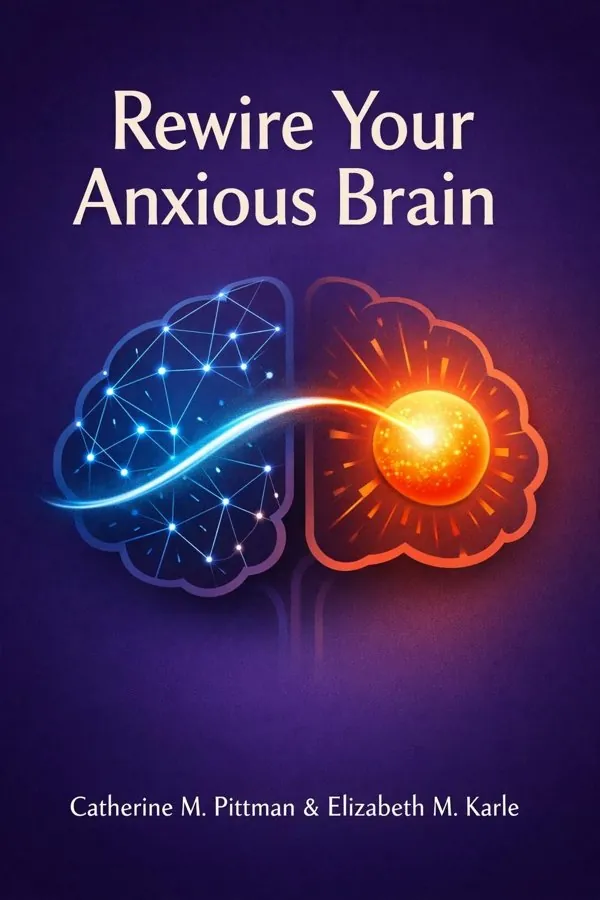
Rewire Your Anxious Brain: How to Use the Neuroscience of Fear to End Anxiety, Panic, and Worry
This book explains how the brain’s two main anxiety pathways—the cortex and the amygdala—create fear and worry, and offers practical, neuroscience-based strategies to retrain these systems. By underst...
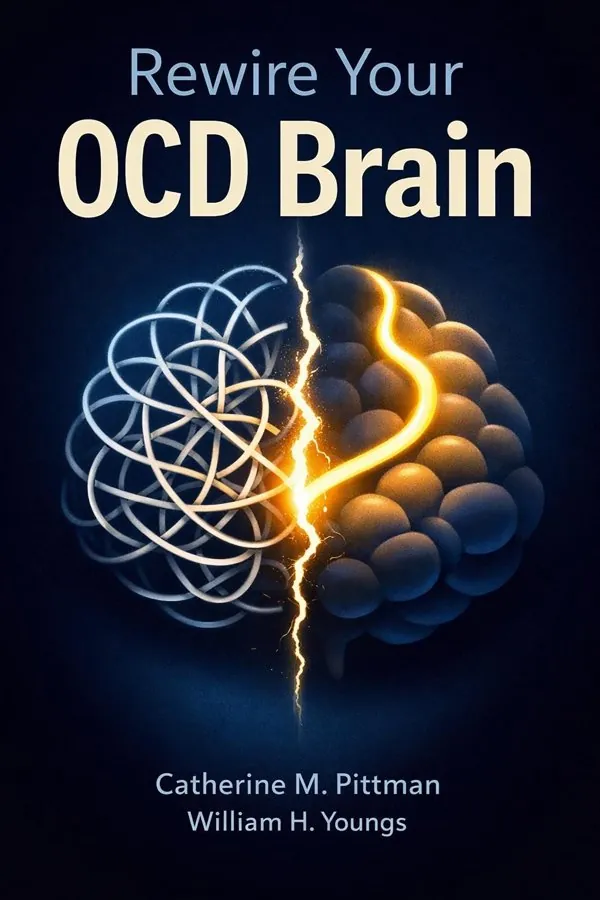
Rewire Your OCD Brain: Powerful Neuroscience-Based Skills to Break Free from Obsessive Thoughts and Fears
This book offers practical, neuroscience-based strategies to help individuals with obsessive-compulsive disorder (OCD) retrain their brains and reduce intrusive thoughts and compulsive behaviors. It c...
Key Insights from Catherine M. Pittman
The Two Pathways of Anxiety: Cortex and Amygdala
In every anxious experience, two regions of your brain are involved, but they play remarkably different roles. The cortex, your thinking brain, is analytical and deliberate. It’s where language, reasoning, and imagination reside. The amygdala, in contrast, is automatic, ancient, and emotional. It ac...
From Rewire Your Anxious Brain: How to Use the Neuroscience of Fear to End Anxiety, Panic, and Worry
The Amygdala and the Fear Response
To transform anxiety, you must first understand how the amygdala learns. It does not learn through reasoning or words; it learns through experience and association. It records sensory patterns—sights, sounds, smells—linked with danger. Once those associations are in place, the amygdala will react au...
From Rewire Your Anxious Brain: How to Use the Neuroscience of Fear to End Anxiety, Panic, and Worry
Understanding the Neuroscience of Fear
To truly overcome OCD, we need to dive into the workings of fear itself. The fear response begins deep in the amygdala—a pair of almond-shaped clusters in the temporal lobes that act like the brain’s alarm system. The amygdala doesn’t wait for reasoned analysis; it reacts instantly to potential dang...
From Rewire Your OCD Brain: Powerful Neuroscience-Based Skills to Break Free from Obsessive Thoughts and Fears
The Role of the Cortex
While the amygdala specializes in rapid emotional signaling, the prefrontal cortex serves as our brain’s thoughtful regulator. It’s the region responsible for reflection, planning, and inhibition. In OCD, the prefrontal cortex often remains fully aware that the fear is irrational, yet it fails to ov...
From Rewire Your OCD Brain: Powerful Neuroscience-Based Skills to Break Free from Obsessive Thoughts and Fears
About Catherine M. Pittman
Pittman, PhD, is a clinical psychologist and professor of psychology at Saint Mary’s College in Notre Dame, Indiana.


Frequently Asked Questions
Pittman, PhD, is a clinical psychologist and professor of psychology at Saint Mary’s College in Notre Dame, Indiana.
Read Catherine M. Pittman's books in 15 minutes
Get AI-powered summaries with key insights from 2 books by Catherine M. Pittman.