
Bruce D. Perry Books
Perry is an American psychiatrist and neuroscientist known for his work on childhood trauma and brain development.
Known for: Born for Love: Why Empathy Is Essential—and Endangered, What Happened to You?: Conversations on Trauma, Resilience, and Healing
Books by Bruce D. Perry

Born for Love: Why Empathy Is Essential—and Endangered
This book explores the science of empathy and its crucial role in human development, relationships, and society. Drawing on neuroscience, psychology, and real-life case studies, Bruce D. Perry and Mai...
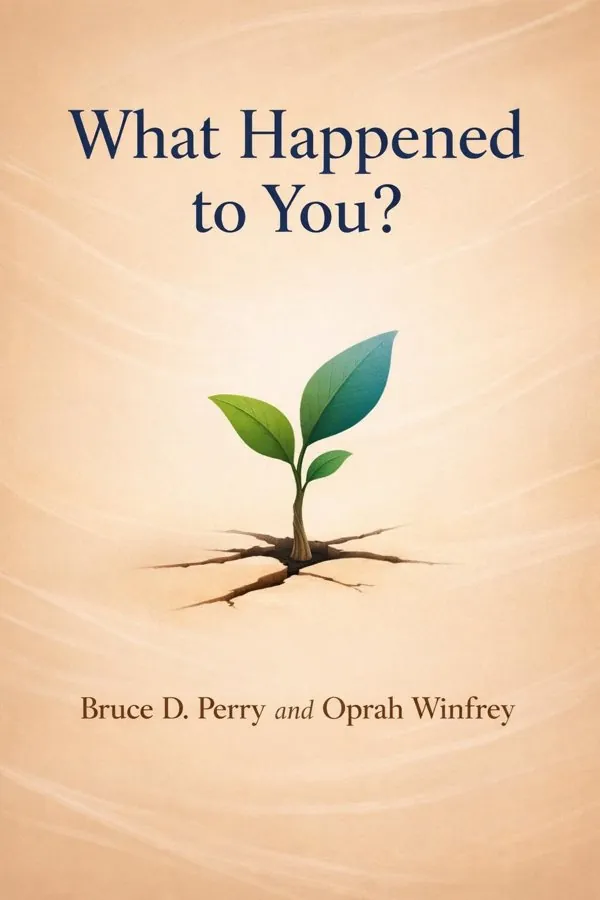
What Happened to You?: Conversations on Trauma, Resilience, and Healing
What if the most important question we could ask about difficult behavior, emotional pain, or self-sabotage is not “What’s wrong with you?” but “What happened to you?” In this compassionate and eye-op...
Key Insights from Bruce D. Perry
The Biology of Empathy
We begin here, with the most fundamental truth: empathy is embedded in the architecture of the human brain. Long before a child can speak, mirror neurons fire when she sees another person smile or cry, allowing her tiny nervous system to simulate the feelings of others. This neural resonance creates...
From Born for Love: Why Empathy Is Essential—and Endangered
Early Development
Empathy begins with touch, gaze, and tone. In the first year of life, the way a caregiver responds to a baby’s cues literally sculpts the brain. A securely attached infant—whose cries bring comfort, whose smiles are mirrored—learns that other people are predictable sources of safety and pleasure. Th...
From Born for Love: Why Empathy Is Essential—and Endangered
The Brain Develops Through Experience
One of the book’s most powerful insights is that the brain is not simply born finished; it is built over time through experience. Bruce Perry explains that brain development happens in a sequence, from the lower regions that regulate basic survival functions to the higher regions involved in reasoni...
From What Happened to You?: Conversations on Trauma, Resilience, and Healing
Stress Shapes the Nervous System
Stress is not always harmful; in fact, the right amount of challenge helps people grow. The real issue, Perry argues, is the pattern, timing, and intensity of stress. Brief, predictable, and buffered stress—such as trying something new with support—can build resilience. But chronic, unpredictable, o...
From What Happened to You?: Conversations on Trauma, Resilience, and Healing
Attachment Builds Safety and Selfhood
Human beings learn who they are in relationship with other people. One of the book’s central messages is that attachment—the felt experience of being seen, soothed, protected, and valued—is foundational to healthy development. When caregivers respond consistently and sensitively, children build an i...
From What Happened to You?: Conversations on Trauma, Resilience, and Healing
Connection Is a Biological Need
Healing does not happen in isolation because trauma itself often occurs in isolation, disconnection, or harmful relationships. Perry emphasizes that connection is not merely comforting; it is biologically regulating. Safe human contact can help calm the stress response, restore a sense of belonging,...
From What Happened to You?: Conversations on Trauma, Resilience, and Healing
About Bruce D. Perry
Perry is an American psychiatrist and neuroscientist known for his work on childhood trauma and brain development.


Frequently Asked Questions
Perry is an American psychiatrist and neuroscientist known for his work on childhood trauma and brain development.
Read Bruce D. Perry's books in 15 minutes
Get AI-powered summaries with key insights from 2 books by Bruce D. Perry.