
Andrew McClellan Books
Andrew McClellan is a professor of art history at Tufts University, specializing in the history and theory of museums, eighteenth- and nineteenth-century art, and cultural heritage. He has written extensively on the Louvre and the development of public art institutions.
Known for: The Art Museum from Boullée to Bilbao
Books by Andrew McClellan
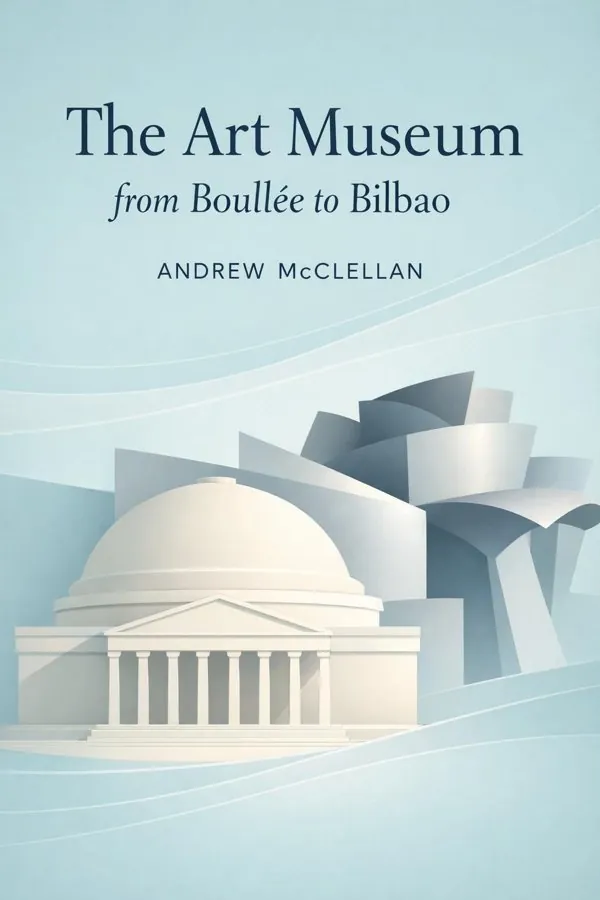
The Art Museum from Boullée to Bilbao
Art museums often present themselves as quiet, neutral spaces devoted to beauty and preservation. Andrew McClellan shows that they are anything but neutral. In The Art Museum from Boullée to Bilbao, he traces how the museum evolved from an Enlightenment dream of public education into one of the most powerful cultural institutions of the modern world. Across more than two centuries, museums have reflected changing ideas about citizenship, nationhood, class, taste, spectacle, and the very meaning of art. McClellan moves from the visionary designs of Étienne-Louis Boullée to the iconic Guggenheim Bilbao, showing that museum buildings are arguments in stone, glass, and steel. Their layouts, facades, collections, and public rituals all communicate values about who belongs, what deserves attention, and how culture should be organized. The book matters because museums shape collective memory while also influencing urban development, tourism, and public life. As a leading art historian and museum scholar, McClellan brings rare authority to this subject. His deep knowledge of the Louvre, the history of collecting, and museum theory allows him to connect architecture, politics, and cultural history into one clear, compelling narrative.
Read SummaryKey Insights from Andrew McClellan
The Enlightenment Invented the Public Museum
A museum is never just a building full of objects; it is a theory about who knowledge belongs to. McClellan begins with the Enlightenment, when European thinkers increasingly challenged the idea that art, science, and learning should remain hidden in royal palaces, aristocratic collections, or churc...
From The Art Museum from Boullée to Bilbao
Boullée Made Architecture Speak Ideals
Sometimes the most influential museums were never built. McClellan uses the visionary architect Étienne-Louis Boullée to show how museum design became an intellectual project in its own right. Boullée’s drawings imagined monumental structures of vast scale, geometric purity, and emotional intensity....
From The Art Museum from Boullée to Bilbao
The Louvre Defined the National Museum
A revolution can turn a palace into a public classroom. McClellan treats the Louvre as the foundational model of the modern national museum because it transformed royal possession into public heritage. During the French Revolution, the Louvre was recast from a symbol of monarchy into a repository fo...
From The Art Museum from Boullée to Bilbao
Nineteenth-Century Museums Became Civic Infrastructure
Once museums were accepted as public institutions, they multiplied quickly. McClellan shows that the nineteenth century turned the museum from an elite experiment into a standard feature of urban life. Industrializing cities, rising middle classes, and expanding municipal governments all contributed...
From The Art Museum from Boullée to Bilbao
Museums Balance Temple and Forum
Every museum faces a basic tension: should it inspire reverence or encourage conversation? McClellan captures this enduring dilemma in the idea of the museum as both temple and forum. As temple, the museum is a place of contemplation, authority, silence, and elevated experience. As forum, it is a si...
From The Art Museum from Boullée to Bilbao
Modernism Produced the White Cube
One of the most powerful museum inventions is a room that tries to disappear. McClellan explains how modernism reshaped the art museum through the ideal of the “white cube”: neutral walls, controlled lighting, minimal ornament, and a stripped-down environment meant to isolate the artwork from distra...
From The Art Museum from Boullée to Bilbao
About Andrew McClellan
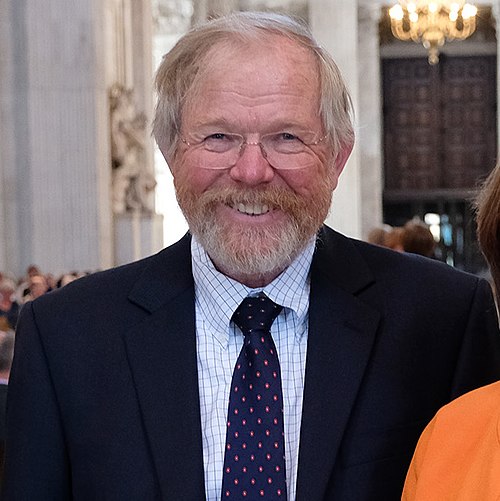
Andrew McClellan is a professor of art history at Tufts University, specializing in the history and theory of museums, eighteenth- and nineteenth-century art, and cultural heritage. He has written extensively on the Louvre and the development of public art institutions.


Frequently Asked Questions
Andrew McClellan is a professor of art history at Tufts University, specializing in the history and theory of museums, eighteenth- and nineteenth-century art, and cultural heritage. He has written extensively on the Louvre and the development of public art institutions.
Read Andrew McClellan's books in 15 minutes
Get AI-powered summaries with key insights from 1 book by Andrew McClellan.