

As A Man Thinketh: Summary & Key Insights
by James Allen
 10 min7 chaptersAudio available
What Is As A Man Thinketh About?
As A Man Thinketh by James Allen is a self_awareness book spanning 7 pages. Originally published in 1903, 'As A Man Thinketh' is a classic self-help book by British philosopher James Allen. It explores the profound connection between thought and character, asserting that a person’s mind is the master power that shapes their life. Through concise essays, Allen teaches that noble thoughts lead to noble actions and outcomes, while negative thinking results in suffering and failure. The book emphasizes self-discipline, moral integrity, and the transformative power of positive thinking.
This FizzRead summary covers all 7 key chapters of As A Man Thinketh in approximately 10 minutes, distilling the most important ideas, arguments, and takeaways from James Allen's work. Also available as an audio summary and Key Quotes Podcast.
As A Man Thinketh
Originally published in 1903, 'As A Man Thinketh' is a classic self-help book by British philosopher James Allen. It explores the profound connection between thought and character, asserting that a person’s mind is the master power that shapes their life. Through concise essays, Allen teaches that noble thoughts lead to noble actions and outcomes, while negative thinking results in suffering and failure. The book emphasizes self-discipline, moral integrity, and the transformative power of positive thinking.
Who Should Read As A Man Thinketh?
This book is perfect for anyone interested in self_awareness and looking to gain actionable insights in a short read. Whether you're a student, professional, or lifelong learner, the key ideas from As A Man Thinketh by James Allen will help you think differently.
- ✓Readers who enjoy self_awareness and want practical takeaways
- ✓Professionals looking to apply new ideas to their work and life
- ✓Anyone who wants the core insights of As A Man Thinketh in just 10 minutes
Want the full summary?
Get instant access to this book summary and 100K+ more with Fizz Moment.
Get Free SummaryAvailable on App Store • Free to download
Key Chapters
Character is not an accident. It is the direct result of thought. Just as a field grows the seeds planted in it, the mind grows whatever thoughts we nourish within. If one sows seeds of kindness, integrity, and self-discipline, a noble character takes root. If one tolerates thoughts of envy, impurity, or selfishness, then weakness and sorrow must follow.
You see, all conduct springs from the hidden life of thought. We like to regard actions as independent, but they are the outward reflections of inward habits. The dishonest act is born long before it is executed—in the thought that justified deceit or that excused laziness. In the same way, all greatness of soul begins in a quiet conviction that life is moral, that integrity yields strength, and that every man must reap as he sows.
When I speak of thought shaping character, I speak of an immutable law. The good cannot think evil and remain pure. The selfish cannot ponder generosity and stay mean. What a man thinks upon continually, that he becomes. Words and deeds are only echoes of inner thinking. By mastering that inner world, a man attains true mastery over himself.
Our circumstances are mirrors reflecting the quality of our mental world. Many imagine themselves victims of outer chance, but the wise man knows that life’s outer state is the shadow of inner causes. You cannot find peace in discordant thoughts; you cannot live nobly if your mind is enthralled to petty desires.
This truth may seem stern, yet it is profoundly liberating. The moment you understand that circumstance grows out of thought, you realize that you can reform yourself and therefore your life. Poverty, for instance, is often the result of wasteful or fearful thinking; prosperity follows the cultivation of courage, purpose, and industry. No outward reform can endure unless it is founded upon changed thought. You may alter your surroundings, move from place to place, but until your habits of mind alter, the same problems will accompany you.
Still, this law is no tyrant. It is exact, yet beneficent. For it assures us that no suffering is without remedy. By rectifying inner wrongs—selfishness, vanity, resentment—you bring your external world into harmony. Each defeat, therefore, can be a step toward victory if it leads you to purer, stronger thinking. In this sense, we create both our chains and our freedom by what we continually think and believe.
+ 5 more chapters — available in the FizzRead app
All Chapters in As A Man Thinketh
About the Author
James Allen (1864–1912) was a British philosophical writer known for his inspirational books and essays on self-improvement and spiritual development. His works, including 'As A Man Thinketh', have influenced generations of readers seeking personal growth through the mastery of thought.
Get This Summary in Your Preferred Format
Read or listen to the As A Man Thinketh summary by James Allen anytime, anywhere. FizzRead offers multiple formats so you can learn on your terms — all free.
Available formats: App · Audio · PDF · EPUB — All included free with FizzRead
Download As A Man Thinketh PDF and EPUB Summary
Key Quotes from As A Man Thinketh
“Our circumstances are mirrors reflecting the quality of our mental world.”
Frequently Asked Questions about As A Man Thinketh
As A Man Thinketh by James Allen is a self_awareness book that explores key ideas across 7 chapters. Originally published in 1903, 'As A Man Thinketh' is a classic self-help book by British philosopher James Allen. It explores the profound connection between thought and character, asserting that a person’s mind is the master power that shapes their life. Through concise essays, Allen teaches that noble thoughts lead to noble actions and outcomes, while negative thinking results in suffering and failure. The book emphasizes self-discipline, moral integrity, and the transformative power of positive thinking.
More by James Allen
You Might Also Like
Rising Strong
Brené Brown
10 min
You Do You
Sarah Knight
10 min
Master Your Emotions: A Practical Guide to Overcome Negativity and Better Manage Your Feelings
Thibaut Meurisse
10 min
The Mountain Is You: Transforming Self-Sabotage Into Self-Mastery
Brianna Wiest
10 min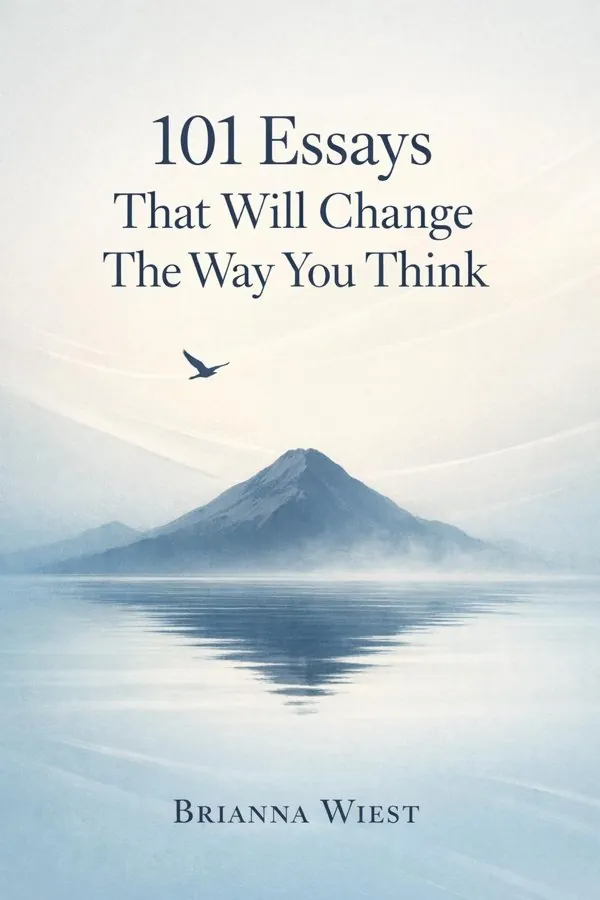
101 Essays That Will Change The Way You Think
Brianna Wiest
10 min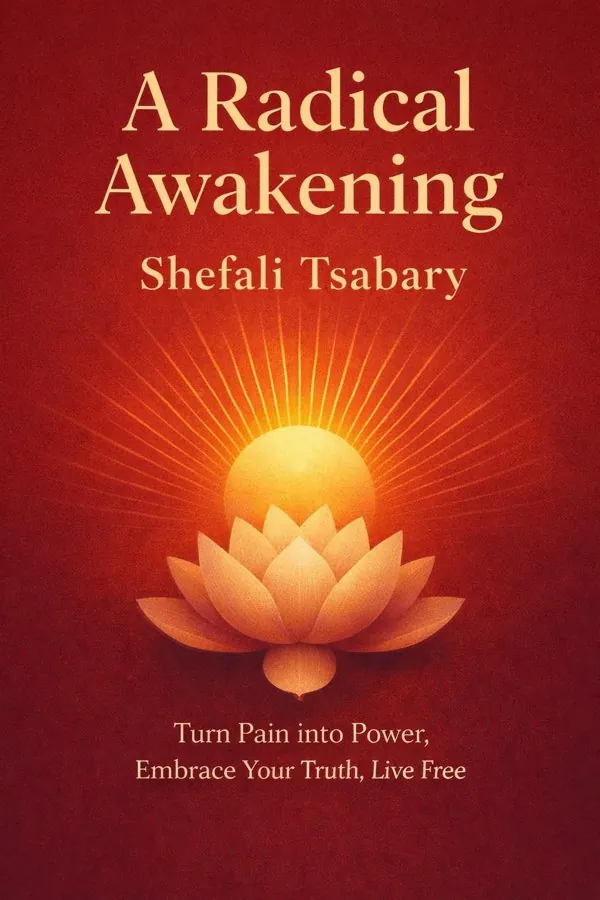
A Radical Awakening: Turn Pain into Power, Embrace Your Truth, Live Free
Shefali Tsabary
10 minFeatured In
Browse by Category
Ready to read As A Man Thinketh?
Get the full summary and 100K+ more books with Fizz Moment.