
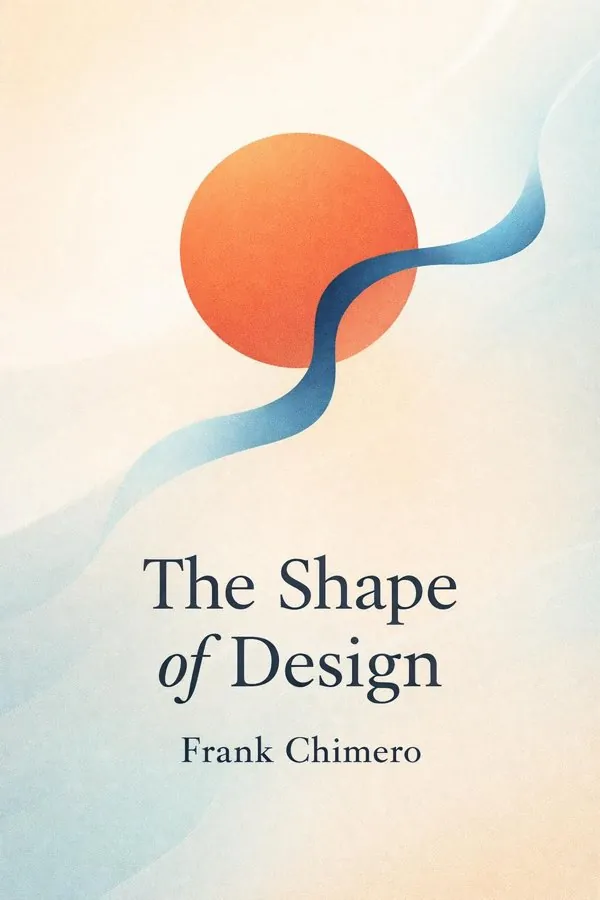
The Shape of Design: Summary & Key Insights
 10 min8 chaptersAudio available
What Is The Shape of Design About?
The Shape of Design by Frank Chimero is a design book spanning 8 pages. The Shape of Design is a reflective exploration of the creative process, focusing on how designers and artists shape meaning through their work. Frank Chimero examines the relationship between form and purpose, the role of storytelling in design, and the emotional and human aspects of creating things that resonate. The book encourages designers to think beyond aesthetics and functionality, emphasizing empathy, intention, and the shared experience between creator and audience.
This FizzRead summary covers all 8 key chapters of The Shape of Design in approximately 10 minutes, distilling the most important ideas, arguments, and takeaways from Frank Chimero's work. Also available as an audio summary and Key Quotes Podcast.
The Shape of Design
The Shape of Design is a reflective exploration of the creative process, focusing on how designers and artists shape meaning through their work. Frank Chimero examines the relationship between form and purpose, the role of storytelling in design, and the emotional and human aspects of creating things that resonate. The book encourages designers to think beyond aesthetics and functionality, emphasizing empathy, intention, and the shared experience between creator and audience.
Who Should Read The Shape of Design?
This book is perfect for anyone interested in design and looking to gain actionable insights in a short read. Whether you're a student, professional, or lifelong learner, the key ideas from The Shape of Design by Frank Chimero will help you think differently.
- ✓Readers who enjoy design and want practical takeaways
- ✓Professionals looking to apply new ideas to their work and life
- ✓Anyone who wants the core insights of The Shape of Design in just 10 minutes
Want the full summary?
Get instant access to this book summary and 100K+ more with Fizz Moment.
Get Free SummaryAvailable on App Store • Free to download
Key Chapters
Storytelling is the oldest human technology, and design is one of its modern extensions. Every design, whether a book, a chair, or an app, tells a story—it reveals a sequence of events and invites a relationship. I’ve always felt that narrative underpins the emotional architecture of design: every interface and visual carries the tone of a story, and every audience reads it differently.
In design, stories provide coherence. They give shape to scattered ideas, connect disparate elements, and build empathy between maker and viewer. The best designs are those that carry narratives that feel familiar yet surprising. Think of how a poster not only informs but evokes curiosity, how a brand identity conjures a story about belonging, how an architectural space scripts the movement of its inhabitants.
When designers embrace narrative, they begin to think in terms of rhythm, tension, and resolution—the same language storytellers use. Story structures help us design experiences that unfold over time. The beginning captures attention, the middle deepens engagement, the ending leaves resonance. The shape of a story becomes the shape of a design.
Storytelling also humanizes the design process. It asks us to imagine the moment when someone meets our work for the first time—to anticipate their feelings and frame the interaction as a conversation. We design not merely for use, but for understanding. We communicate values, emotions, and aspirations through the story implicit in every decision we make.
To me, design is communication in its purest form—a dialogue that happens across time between the creator and those who engage with the creation. Every mark, color, and material says something; every choice invites a response. We send ideas out into the world, and the world talks back.
This conversational view shifts design away from being a solitary pursuit. It reminds us that design lives not in the designer’s studio but in the exchange with others. The work grows through interpretation; it becomes complete only when it is used or experienced. That is where meaning settles—through the interplay of intent and perception.
When we treat design as conversation, feedback becomes part of the process rather than a verdict. The audience is not a passive receiver but an active participant who refines and reshapes meaning. This approach cultivates humility: we learn to listen. The best designers, I think, are those who remain open to surprise, who see stories and systems as evolving rather than fixed.
Design conversations also happen within the materials themselves. The medium has a voice—it pushes back, imposes constraints, and offers possibilities. Working with tools, surfaces, code, or physical matter, we begin to recognize that creativity is collaborative. The conversation becomes a triad between maker, medium, and audience. Meaning emerges from that intersection—the point where our intent meets the world’s response.
+ 6 more chapters — available in the FizzRead app
All Chapters in The Shape of Design
About the Author
Frank Chimero is an American designer, illustrator, and writer known for his thoughtful essays on design and creativity. His work spans graphic design, digital products, and teaching, and he is recognized for his ability to articulate the philosophical and emotional dimensions of design practice.
Get This Summary in Your Preferred Format
Read or listen to the The Shape of Design summary by Frank Chimero anytime, anywhere. FizzRead offers multiple formats so you can learn on your terms — all free.
Available formats: App · Audio · PDF · EPUB — All included free with FizzRead
Download The Shape of Design PDF and EPUB Summary
Key Quotes from The Shape of Design
“Storytelling is the oldest human technology, and design is one of its modern extensions.”
“To me, design is communication in its purest form—a dialogue that happens across time between the creator and those who engage with the creation.”
Frequently Asked Questions about The Shape of Design
The Shape of Design by Frank Chimero is a design book that explores key ideas across 8 chapters. The Shape of Design is a reflective exploration of the creative process, focusing on how designers and artists shape meaning through their work. Frank Chimero examines the relationship between form and purpose, the role of storytelling in design, and the emotional and human aspects of creating things that resonate. The book encourages designers to think beyond aesthetics and functionality, emphasizing empathy, intention, and the shared experience between creator and audience.
You Might Also Like
The Design of Everyday Things
Don Norman
10 min
The Better Angels of Our Nature
Steven Pinker
10 min
A Designer's Art
Paul Rand
10 min
Architects' Sketchbooks
Various Editors
10 min
Architectural Graphic Standards
The American Institute of Architects
10 min
Design Is Storytelling
Ellen Lupton
10 minBrowse by Category
Ready to read The Shape of Design?
Get the full summary and 100K+ more books with Fizz Moment.