
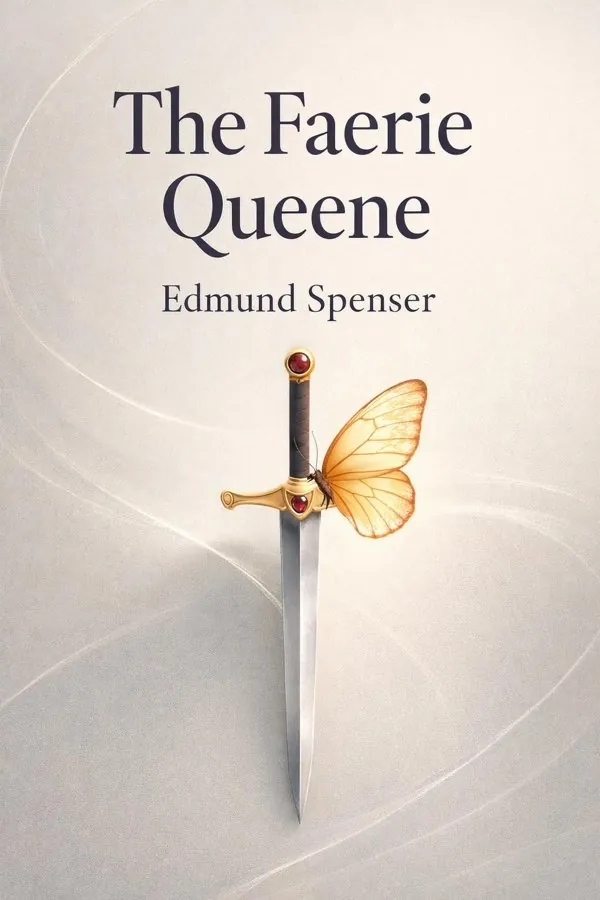
The Faerie Queene: Summary & Key Insights
 10 min7 chaptersAudio available
What Is The Faerie Queene About?
The Faerie Queene by Edmund Spenser is a classics book spanning 7 pages. An epic poem written by Edmund Spenser, 'The Faerie Queene' is one of the most significant works in English literature. First published in 1590, with a second part in 1596, it celebrates the Tudor dynasty and Elizabeth I through an elaborate allegory of virtue, chivalry, and moral struggle. The poem follows several knights, each representing a particular virtue, as they embark on quests that test their faith, courage, and honor in a richly symbolic world of faeries, monsters, and enchantment.
This FizzRead summary covers all 7 key chapters of The Faerie Queene in approximately 10 minutes, distilling the most important ideas, arguments, and takeaways from Edmund Spenser's work. Also available as an audio summary and Key Quotes Podcast.
The Faerie Queene
An epic poem written by Edmund Spenser, 'The Faerie Queene' is one of the most significant works in English literature. First published in 1590, with a second part in 1596, it celebrates the Tudor dynasty and Elizabeth I through an elaborate allegory of virtue, chivalry, and moral struggle. The poem follows several knights, each representing a particular virtue, as they embark on quests that test their faith, courage, and honor in a richly symbolic world of faeries, monsters, and enchantment.
Who Should Read The Faerie Queene?
This book is perfect for anyone interested in classics and looking to gain actionable insights in a short read. Whether you're a student, professional, or lifelong learner, the key ideas from The Faerie Queene by Edmund Spenser will help you think differently.
- ✓Readers who enjoy classics and want practical takeaways
- ✓Professionals looking to apply new ideas to their work and life
- ✓Anyone who wants the core insights of The Faerie Queene in just 10 minutes
Want the full summary?
Get instant access to this book summary and 100K+ more with Fizz Moment.
Get Free SummaryAvailable on App Store • Free to download
Key Chapters
When I first shaped the Redcrosse Knight’s story, I meant him to embody Holiness itself—the striving of the soul toward divine truth. He is a young, untried warrior, clad in the emblem of St. George’s cross. His companion, Una, is Truth: pure, humble, and steadfast. Yet from the moment they venture through the shadowed wilderness, the Christian knight discovers that holiness is not innate but must be proven through conflict.
He faces the deceits of Error, a monster whose brood represents the confusion of false belief and ignorance. He is tempted by the wiles of Archimago, a sorcerer of hypocrisy, and falls into the sensual snare of Duessa, the false faith who masks evil in beauty. These encounters reflect not only the pilgrim’s internal trials but also the larger struggle of England to guard its spiritual identity against the corruptions of false doctrine.
Throughout his journey, Redcrosse descends into error, pride, and despair. His imprisonment by the giant Orgoglio marks the death of spiritual pride; only when he is rescued by Prince Arthur—symbol of the virtue of Magnificence and ideal Christian knighthood—does he begin to rise again. The climactic battle against the dragon, monstrous embodiment of sin and Satan, is more than a fight. It is the rite of purification and the ultimate test of endurance. When Redcrosse triumphs, it is by divine strength, not human valor.
Here Holiness reveals its true nature: not a static state, but a continual war against illusion. The knight’s victory rescues Una’s kingdom, standing as the true Church, from evil’s thrall. It teaches that faith, fortified by humility, must confront darkness to reach enlightenment. In this, I hoped every reader might see that personal redemption is a quest no less perilous than any knight’s combat.
After Holiness, the next step in moral perfection is Temperance. Sir Guyon, my knight of self-governance, journeys through a world flowering with pleasure and peril, where moderation alone can withstand the lure of excess. In crafting his adventures, I wished to reveal the delicate strength of the soul that neither indulges nor denies but masters desire.
Guyon encounters the whirlpools of temptation—beautiful but treacherous figures such as Acrasia, mistress of the Bower of Bliss. This voluptuous paradise of fragrance and melody might seem a realm of delight, yet it hides spiritual decay. Guyon’s destruction of the Bower is not mere violence but an act of moral purification. In razing its perfumed walls, he affirms that temperance is not the enemy of pleasure but its rightful measure.
Throughout his journey, Guyon carries a book and a sword, wisdom and action balanced as the twin instruments of virtue. He rescues others from irrational fury, corrects false zeal, and learns through trials that discipline must be flexible, not fanatical. His strength lies not in denial but in equilibrium. When passions threaten to rule, Guyon rules them instead.
This book teaches that moderation is the guardian of liberty. Without temperance, holiness collapses into fanaticism or indulgence. And when the Bower falls, the reader perceives the truth Spenser sought: that joy purified through temperance becomes eternal contentment, while pleasure without restraint fades into corruption.
+ 5 more chapters — available in the FizzRead app
All Chapters in The Faerie Queene
About the Author
Edmund Spenser (c. 1552–1599) was an English poet best known for 'The Faerie Queene', a monumental allegorical work celebrating Queen Elizabeth I. A major figure of the Elizabethan era, Spenser’s poetic innovations and use of the Spenserian stanza influenced generations of English poets.
Get This Summary in Your Preferred Format
Read or listen to the The Faerie Queene summary by Edmund Spenser anytime, anywhere. FizzRead offers multiple formats so you can learn on your terms — all free.
Available formats: App · Audio · PDF · EPUB — All included free with FizzRead
Download The Faerie Queene PDF and EPUB Summary
Key Quotes from The Faerie Queene
“When I first shaped the Redcrosse Knight’s story, I meant him to embody Holiness itself—the striving of the soul toward divine truth.”
“After Holiness, the next step in moral perfection is Temperance.”
Frequently Asked Questions about The Faerie Queene
The Faerie Queene by Edmund Spenser is a classics book that explores key ideas across 7 chapters. An epic poem written by Edmund Spenser, 'The Faerie Queene' is one of the most significant works in English literature. First published in 1590, with a second part in 1596, it celebrates the Tudor dynasty and Elizabeth I through an elaborate allegory of virtue, chivalry, and moral struggle. The poem follows several knights, each representing a particular virtue, as they embark on quests that test their faith, courage, and honor in a richly symbolic world of faeries, monsters, and enchantment.
You Might Also Like





Browse by Category
Ready to read The Faerie Queene?
Get the full summary and 100K+ more books with Fizz Moment.