
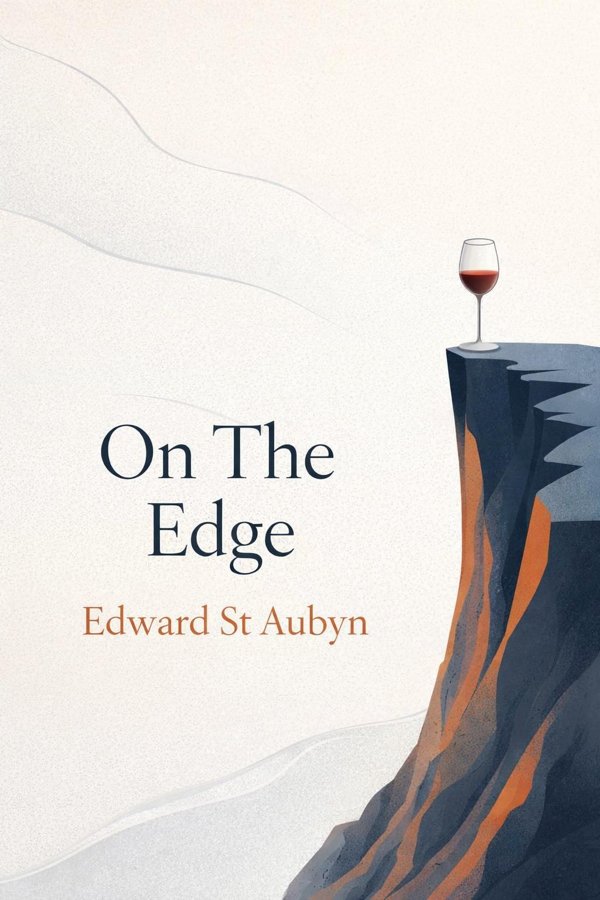
On The Edge: Summary & Key Insights
 10 min4 chaptersAudio available
What Is On The Edge About?
On The Edge by Edward St Aubyn is a classics book spanning 4 pages. A novel exploring the turbulent life of Patrick Melrose, depicting his struggle with addiction, trauma, and the search for redemption within the British upper class.
This FizzRead summary covers all 4 key chapters of On The Edge in approximately 10 minutes, distilling the most important ideas, arguments, and takeaways from Edward St Aubyn's work. Also available as an audio summary and Key Quotes Podcast.
On The Edge
A novel exploring the turbulent life of Patrick Melrose, depicting his struggle with addiction, trauma, and the search for redemption within the British upper class.
Who Should Read On The Edge?
This book is perfect for anyone interested in classics and looking to gain actionable insights in a short read. Whether you're a student, professional, or lifelong learner, the key ideas from On The Edge by Edward St Aubyn will help you think differently.
- ✓Readers who enjoy classics and want practical takeaways
- ✓Professionals looking to apply new ideas to their work and life
- ✓Anyone who wants the core insights of On The Edge in just 10 minutes
Want the full summary?
Get instant access to this book summary and 100K+ more with Fizz Moment.
Get Free SummaryAvailable on App Store • Free to download
Key Chapters
The book opens with Patrick’s arrival in the languid beauty of the south of France, an ironic setting for his purpose—to collect his father’s ashes. The sunlit villas, the glittering sea, the indolent conversations of expatriates—all stand in cruel contrast to the undertow of horror inside Patrick’s mind. His father, David Melrose, was brilliant and sadistic, a man whose cruelty towards his son left behind psychic ruins that no amount of charm could mask. The act of collecting ashes becomes symbolic: the confrontation with mortality, with the residue of abuse, and with the silence that his mother’s complicity allowed.
As Patrick moves through this landscape, he sees how memory refuses containment. The scent of the Mediterranean air evokes scenes from his childhood—the locked room, the condescending laughter, the paralysis of fear when affection was replaced by dominance. The ashes are not merely physical remains; they are the tangible evidence that the tyrant is gone yet residually powerful. Each encounter in France reflects a layer of the society that enabled such men: the intellectual self-delusion, the moral indifference, and the obsessive need to maintain appearances.
In writing these scenes, I wanted to place Patrick within a world that feels both seductive and rotten. The French Riviera, with its cultivated decadence, mirrors his mental state—beautiful on the surface, decomposing underneath. His interactions with minor characters—diplomats, self-proclaimed philosophers, old acquaintances—illuminate the hypocrisy of a class that prides itself on culture while insulating itself from suffering. Patrick’s brittle humor serves as his armor against them and against himself. The act of returning to collect ashes exposes the futility of running from one’s origin; wherever Patrick goes, his father’s voice whispers through memory’s corridors. Yet beneath the sarcasm and self-destruction lies a flicker of compassion: in acknowledging the horror honestly, Patrick begins, however faintly, to reclaim ownership over his pain.
Addiction in *On the Edge* is not a subplot—it is the central metaphor. Through Patrick’s heavy use of cocaine and heroin, I sought to render addiction not as moral failure but as metaphysical rebellion. Drugs for Patrick are a means of dissolving the self, of escaping from the tyranny of consciousness. The reader watches him spiral through manic highs and existential lows, each episode revealing the strange intersection of chemical euphoria and emotional annihilation.
In portraying these states, I wanted to capture the rhythm of addiction—the false transcendence followed by collapse. Patrick shoots up in hotel rooms, converses with hallucinations, and drifts between lucidity and terror. But what matters is not the sensationalism of his behavior; rather, the way intoxication mirrors his philosophical struggle. He wants to feel nothing because feeling anything reminds him of the past. His body becomes the battlefield between annihilation and meaning. His thoughts, fragmented yet articulate, show how intellect and self-destruction can coexist.
The drug-fueled monologues in the novel open windows into Patrick’s philosophical curiosity. Even at his worst, he questions reality—What is consciousness? Is pain the evidence of being? He engages with these thoughts not as idle speculation but as desperate survival. Each line of reasoning loops back to his father: a man who valued control above love, precision above empathy. Patrick’s addiction becomes his inverted inheritance—a way of asserting rebellion against the logic of domination by surrendering completely.
Yet, even amidst the hallucinations, there are moments of revelation. He imagines himself dissolving into light or floating above the Riviera coastline, liberated from physicality. These moments of transcendence, however fleeting, contain the truth that beneath despair lies the yearning for connection. Addiction exposes Patrick’s paradox: his desire to be free from suffering, which simultaneously deepens that suffering. The needle is his philosopher’s stone, transforming agony into insight—and insight into agony again. His near-fatal overdose forms the climax, a confrontation between illusion and mortality. When he wakes, drenched in sweat and vomit, he senses a crack in the armor. The world is not redeemed—he is not healed—but something inside him chooses life over oblivion. In that fragile choice lies the seed of recovery.
+ 2 more chapters — available in the FizzRead app
All Chapters in On The Edge
About the Author
Edward St Aubyn is a British novelist best known for his semi-autobiographical Patrick Melrose series, which examines themes of privilege, abuse, and recovery with sharp wit and psychological depth.
Get This Summary in Your Preferred Format
Read or listen to the On The Edge summary by Edward St Aubyn anytime, anywhere. FizzRead offers multiple formats so you can learn on your terms — all free.
Available formats: App · Audio · PDF · EPUB — All included free with FizzRead
Download On The Edge PDF and EPUB Summary
Key Quotes from On The Edge
“The book opens with Patrick’s arrival in the languid beauty of the south of France, an ironic setting for his purpose—to collect his father’s ashes.”
“Addiction in *On the Edge* is not a subplot—it is the central metaphor.”
Frequently Asked Questions about On The Edge
On The Edge by Edward St Aubyn is a classics book that explores key ideas across 4 chapters. A novel exploring the turbulent life of Patrick Melrose, depicting his struggle with addiction, trauma, and the search for redemption within the British upper class.
You Might Also Like


Browse by Category
Ready to read On The Edge?
Get the full summary and 100K+ more books with Fizz Moment.