
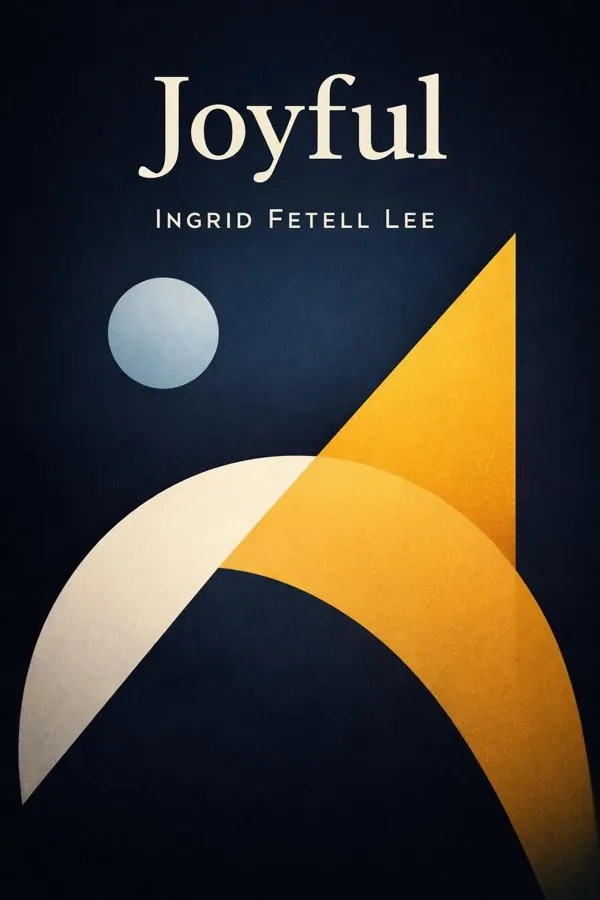
Joyful: The Surprising Power of Ordinary Things to Create Extraordinary Happiness: Summary & Key Insights
 10 min11 chaptersAudio available
What Is Joyful: The Surprising Power of Ordinary Things to Create Extraordinary Happiness About?
Joyful: The Surprising Power of Ordinary Things to Create Extraordinary Happiness by Ingrid Fetell Lee is a design book spanning 11 pages. In 'Joyful', designer Ingrid Fetell Lee explores how the seemingly mundane spaces and objects we interact with every day have surprising and powerful effects on our mood and well-being. Drawing from neuroscience and psychology, she reveals how color, shape, texture, and pattern can spark joy and transform our surroundings into sources of happiness.
This FizzRead summary covers all 11 key chapters of Joyful: The Surprising Power of Ordinary Things to Create Extraordinary Happiness in approximately 10 minutes, distilling the most important ideas, arguments, and takeaways from Ingrid Fetell Lee's work. Also available as an audio summary and Key Quotes Podcast.
Joyful: The Surprising Power of Ordinary Things to Create Extraordinary Happiness
In 'Joyful', designer Ingrid Fetell Lee explores how the seemingly mundane spaces and objects we interact with every day have surprising and powerful effects on our mood and well-being. Drawing from neuroscience and psychology, she reveals how color, shape, texture, and pattern can spark joy and transform our surroundings into sources of happiness.
Who Should Read Joyful: The Surprising Power of Ordinary Things to Create Extraordinary Happiness?
This book is perfect for anyone interested in design and looking to gain actionable insights in a short read. Whether you're a student, professional, or lifelong learner, the key ideas from Joyful: The Surprising Power of Ordinary Things to Create Extraordinary Happiness by Ingrid Fetell Lee will help you think differently.
- ✓Readers who enjoy design and want practical takeaways
- ✓Professionals looking to apply new ideas to their work and life
- ✓Anyone who wants the core insights of Joyful: The Surprising Power of Ordinary Things to Create Extraordinary Happiness in just 10 minutes
Want the full summary?
Get instant access to this book summary and 100K+ more with Fizz Moment.
Get Free SummaryAvailable on App Store • Free to download
Key Chapters
My journey toward understanding joy began in the most unexpected place: a critique session during my graduate studies in design. A professor mentioned that my projects, though conceptually solid, lacked joy. That single comment stopped me in my tracks. What did joyful design even mean? Could physical forms—curves, colors, materials—truly spark a feeling as intangible as joy?
Driven by curiosity, I began observing patterns in the everyday world. Children seemed naturally drawn to bright, rounded shapes—the kind found in bubbles, balloons, and confetti. Public spaces filled with color and light made people linger longer, laugh more easily. This link between aesthetics and emotion wasn’t coincidental; it was biological and deeply rooted in human evolution.
Through research in neuroscience and environmental psychology, I found that our brains respond to sensory stimuli in remarkably consistent ways. Bright colors activate regions associated with pleasure and arousal. Symmetry and balance evoke calm by signaling safety and predictability. Open, airy spaces trigger feelings of freedom because they allow unobstructed movement and vision—vital traits from our days as explorers of the natural world.
My search revealed that joy isn’t just about what we feel—it’s also about what we see and touch. Once I realized that our surroundings shape our happiness in profound ways, I knew that design could be more than functional or beautiful—it could be joyful.
Energy is the first aesthetic of joy—a vivid, alive quality that comes from brightness, color, and light. Think of the way your mood lifts when you walk into a sunlit room, or how certain colors—yellows, oranges, electric blues—seem to buzz with life.
In the natural world, energy is conveyed through color and motion: the flutter of butterfly wings, the shimmer of a lake’s surface, the dance of leaves in the wind. These visual cues signal vitality and abundance and, when translated into design, they awaken that same spark within us. Bright hues raise our psychological arousal levels, prompting alertness and even subtle increases in physical energy. This is why schools, hospitals, and workplaces that embrace color tend to feel more invigorating and less sterile.
Our culture often mistakes serenity for neutrality—soft grays, muted tones, minimalist emptiness. But true joy often thrives in contrast. A bold splash of color, a playful pattern, an unexpected interplay of light—these awaken something primal in us. Energy reminds us that joy is movement, not stillness; it is life in motion.
+ 9 more chapters — available in the FizzRead app
All Chapters in Joyful: The Surprising Power of Ordinary Things to Create Extraordinary Happiness
About the Author
Ingrid Fetell Lee is a designer and author whose work focuses on the intersection of design and emotion. She holds an M.A. in Industrial Design from Pratt Institute and has been featured in publications such as The New York Times, Fast Company, and Wired. She is also the founder of The Aesthetics of Joy, a platform dedicated to helping people find joy through design.
Get This Summary in Your Preferred Format
Read or listen to the Joyful: The Surprising Power of Ordinary Things to Create Extraordinary Happiness summary by Ingrid Fetell Lee anytime, anywhere. FizzRead offers multiple formats so you can learn on your terms — all free.
Available formats: App · Audio · PDF · EPUB — All included free with FizzRead
Download Joyful: The Surprising Power of Ordinary Things to Create Extraordinary Happiness PDF and EPUB Summary
Key Quotes from Joyful: The Surprising Power of Ordinary Things to Create Extraordinary Happiness
“My journey toward understanding joy began in the most unexpected place: a critique session during my graduate studies in design.”
“Energy is the first aesthetic of joy—a vivid, alive quality that comes from brightness, color, and light.”
Frequently Asked Questions about Joyful: The Surprising Power of Ordinary Things to Create Extraordinary Happiness
Joyful: The Surprising Power of Ordinary Things to Create Extraordinary Happiness by Ingrid Fetell Lee is a design book that explores key ideas across 11 chapters. In 'Joyful', designer Ingrid Fetell Lee explores how the seemingly mundane spaces and objects we interact with every day have surprising and powerful effects on our mood and well-being. Drawing from neuroscience and psychology, she reveals how color, shape, texture, and pattern can spark joy and transform our surroundings into sources of happiness.
You Might Also Like
The Design of Everyday Things
Don Norman
10 min
The Better Angels of Our Nature
Steven Pinker
10 min
A Designer's Art
Paul Rand
10 min
Architects' Sketchbooks
Various Editors
10 min
Architectural Graphic Standards
The American Institute of Architects
10 min
Design Is Storytelling
Ellen Lupton
10 minBrowse by Category
Ready to read Joyful: The Surprising Power of Ordinary Things to Create Extraordinary Happiness?
Get the full summary and 100K+ more books with Fizz Moment.