
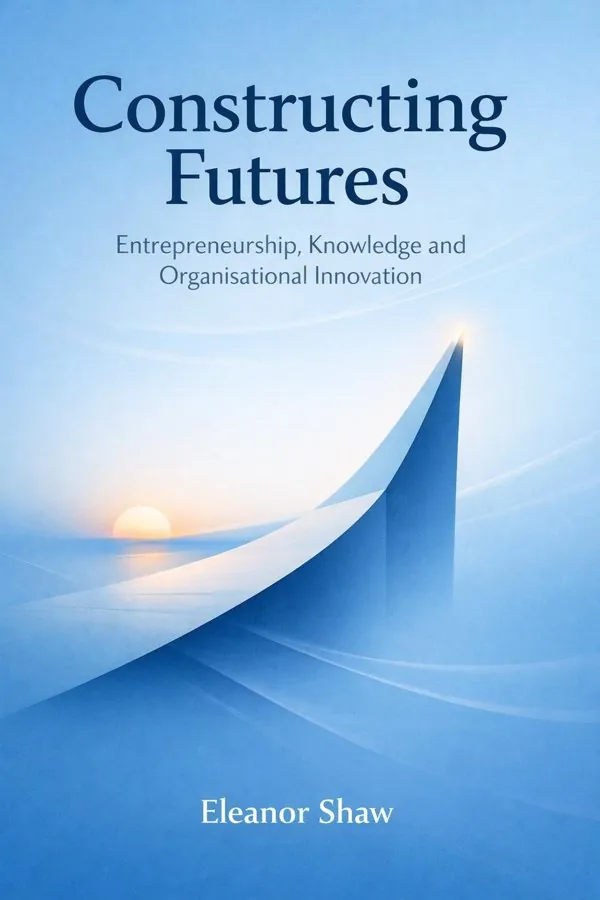
Constructing Futures: Entrepreneurship, Knowledge and Organisational Innovation: Summary & Key Insights
by Eleanor Shaw
 10 min7 chaptersAudio available
What Is Constructing Futures: Entrepreneurship, Knowledge and Organisational Innovation About?
Constructing Futures: Entrepreneurship, Knowledge and Organisational Innovation by Eleanor Shaw is a entrepreneurship book spanning 7 pages. This book explores how entrepreneurs and organizations construct futures through innovation, knowledge creation, and strategic foresight. Drawing on case studies and theoretical frameworks, it examines the dynamic interplay between entrepreneurial action, organizational learning, and the shaping of future markets and industries.
This FizzRead summary covers all 7 key chapters of Constructing Futures: Entrepreneurship, Knowledge and Organisational Innovation in approximately 10 minutes, distilling the most important ideas, arguments, and takeaways from Eleanor Shaw's work. Also available as an audio summary and Key Quotes Podcast.
Constructing Futures: Entrepreneurship, Knowledge and Organisational Innovation
This book explores how entrepreneurs and organizations construct futures through innovation, knowledge creation, and strategic foresight. Drawing on case studies and theoretical frameworks, it examines the dynamic interplay between entrepreneurial action, organizational learning, and the shaping of future markets and industries.
Who Should Read Constructing Futures: Entrepreneurship, Knowledge and Organisational Innovation?
This book is perfect for anyone interested in entrepreneurship and looking to gain actionable insights in a short read. Whether you're a student, professional, or lifelong learner, the key ideas from Constructing Futures: Entrepreneurship, Knowledge and Organisational Innovation by Eleanor Shaw will help you think differently.
- ✓Readers who enjoy entrepreneurship and want practical takeaways
- ✓Professionals looking to apply new ideas to their work and life
- ✓Anyone who wants the core insights of Constructing Futures: Entrepreneurship, Knowledge and Organisational Innovation in just 10 minutes
Want the full summary?
Get instant access to this book summary and 100K+ more with Fizz Moment.
Get Free SummaryAvailable on App Store • Free to download
Key Chapters
Entrepreneurship, as I argue throughout this book, is fundamentally about constructing futures — not merely exploiting existing opportunities but actively shaping new realities. In traditional economic thought, the entrepreneur is often portrayed as someone who discovers gaps in the market and fills them. But in reality, the most transformative entrepreneurs do far more: they change the market’s very structure, redefine what is possible, and in doing so, construct entirely new futures for industries and consumers alike.
Within organizational contexts, entrepreneurship manifests as a dual process. On one hand, individuals bring imagination and intentionality; on the other, organizations provide environments that either nurture or constrain this imagination. Constructing futures requires the integration of both dimensions — personal vision and collective capacity. Through research and case studies, I show how the organizations that sustain innovation over time are those that embed entrepreneurial thinking within their culture, allowing individuals at every level to engage in creative foresight.
This process is dynamic. Futures do not exist independently of present actions; they emerge through iterative learning and experimentation. To construct a future is to engage in continuous sense-making: observing signals from the environment, interpreting them through knowledge, and acting upon them in ways that shape subsequent realities. The entrepreneur becomes not a solitary visionary but a knowledge intermediary, translating insights across internal and external networks.
Constructing futures is, therefore, not a linear progression but a relational one. Partnerships, collaborative networks, and feedback loops form the foundation upon which future-oriented innovation can stand. In reviewing multiple examples, from technology startups to knowledge-intensive firms, I highlight how successful entrepreneurs construct futures by embedding their foresight within organizational learning cycles — combining imagination with disciplined inquiry.
The second major theme of the book is the interplay between knowledge creation, organizational learning, and innovation. Knowledge is not merely an input to innovation; it is the very medium through which entrepreneurs and organizations make sense of change and turn uncertainty into opportunity.
Drawing on theories of organizational learning by scholars such as Nonaka and Argyris, I emphasize that entrepreneurial knowledge emerges from social interactions. Entrepreneurs build futures through conversations, collaborations, and shared reflections that transform tacit insights into explicit understanding. Innovation thrives in environments that enable this exchange — where knowledge is fluid, trust is cultivated, and failure is treated as part of the learning process.
In practical terms, constructing futures requires organizations to develop routines that capture and circulate new knowledge. This includes mechanisms for reflection, feedback, and adaptation. Many of the case studies featured in the book illustrate how enterprises developed innovation capabilities through learning-by-doing, experimentation with prototypes, and open dialogue between creative and operational members.
As an author deeply immersed in research on entrepreneurial learning, I observed that the most vibrant organizations do not simply accumulate information — they interpret and reframe it. Knowledge becomes creative when it is shared across boundaries and used to generate new possibilities. This interpretive act is central to innovation: entrepreneurs must navigate between what is known and what could be known, continuously reconstructing understanding to align with emerging futures.
Through this lens, innovation represents more than product development or technological advancement; it embodies organizational evolution. Every act of learning contributes to the ongoing construction of identity, capability, and vision within a firm. Thus, constructing futures through knowledge means cultivating openness — an organizational disposition that turns experience into fuel for creativity.
+ 5 more chapters — available in the FizzRead app
All Chapters in Constructing Futures: Entrepreneurship, Knowledge and Organisational Innovation
About the Author
Eleanor Shaw is a Professor of Entrepreneurship at the University of Strathclyde, Scotland. Her research focuses on entrepreneurial learning, innovation, and the role of networks in business development.
Get This Summary in Your Preferred Format
Read or listen to the Constructing Futures: Entrepreneurship, Knowledge and Organisational Innovation summary by Eleanor Shaw anytime, anywhere. FizzRead offers multiple formats so you can learn on your terms — all free.
Available formats: App · Audio · PDF · EPUB — All included free with FizzRead
Download Constructing Futures: Entrepreneurship, Knowledge and Organisational Innovation PDF and EPUB Summary
Key Quotes from Constructing Futures: Entrepreneurship, Knowledge and Organisational Innovation
“Entrepreneurship, as I argue throughout this book, is fundamentally about constructing futures — not merely exploiting existing opportunities but actively shaping new realities.”
“The second major theme of the book is the interplay between knowledge creation, organizational learning, and innovation.”
Frequently Asked Questions about Constructing Futures: Entrepreneurship, Knowledge and Organisational Innovation
Constructing Futures: Entrepreneurship, Knowledge and Organisational Innovation by Eleanor Shaw is a entrepreneurship book that explores key ideas across 7 chapters. This book explores how entrepreneurs and organizations construct futures through innovation, knowledge creation, and strategic foresight. Drawing on case studies and theoretical frameworks, it examines the dynamic interplay between entrepreneurial action, organizational learning, and the shaping of future markets and industries.
You Might Also Like

Lean Analytics
Alistair Croll, Benjamin Yoskovitz
10 min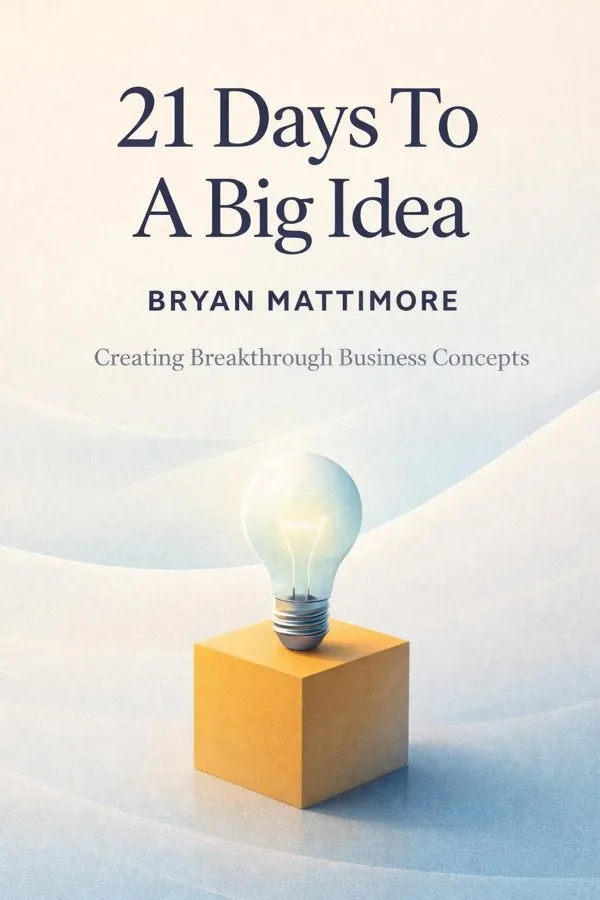
21 Days To A Big Idea: Creating Breakthrough Business Concepts
Bryan Mattimore
10 min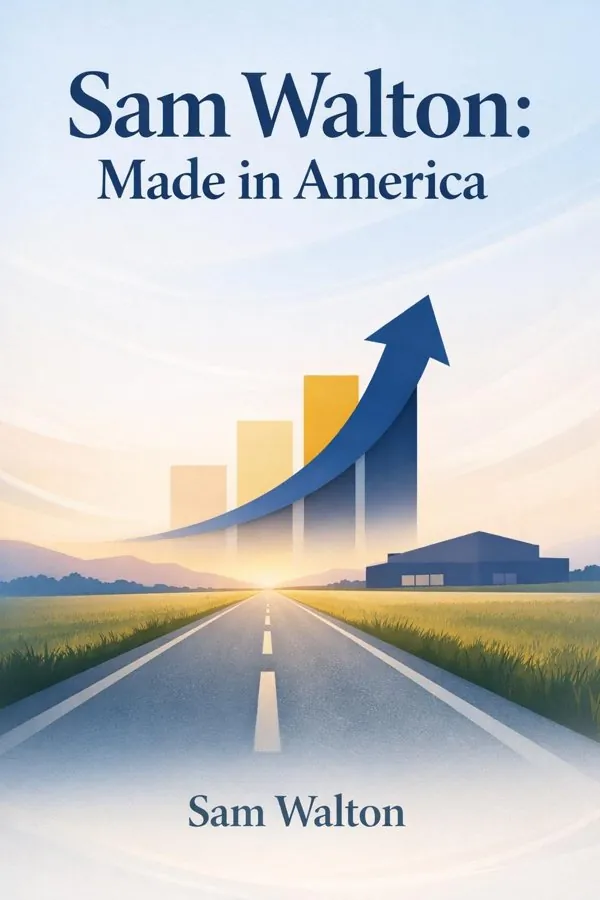
Sam Walton: Made in America: My Story
Sam Walton
10 min
10x Is Easier Than 2x: How World-Class Entrepreneurs Achieve More by Doing Less
Dan Sullivan, Benjamin Hardy
10 min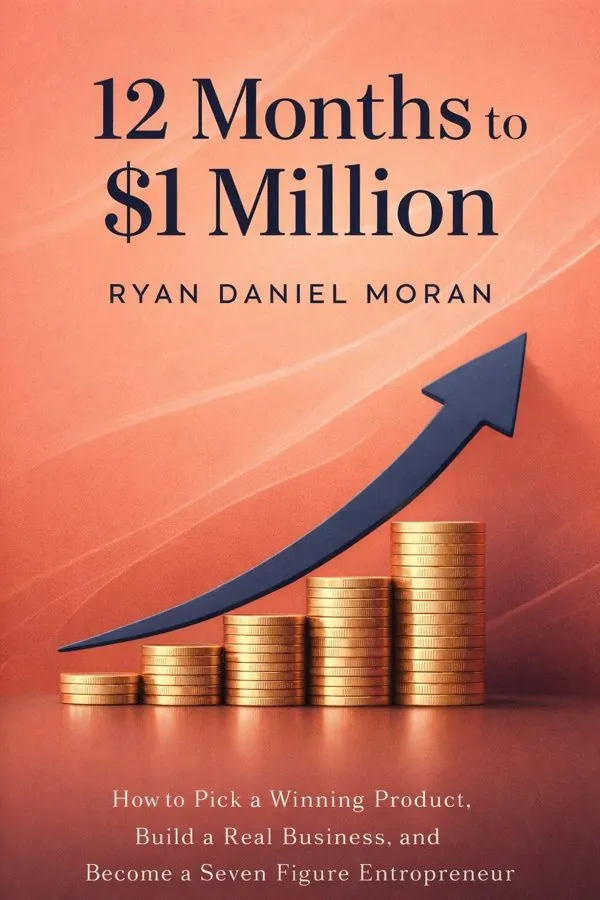
12 Months to $1 Million: How to Pick a Winning Product, Build a Real Business, and Become a Seven-Figure Entrepreneur
Ryan Daniel Moran
10 min
24 Assets: Create a Digital, Scalable, Valuable Business
Daniel Priestley
10 minFeatured In
Browse by Category
Ready to read Constructing Futures: Entrepreneurship, Knowledge and Organisational Innovation?
Get the full summary and 100K+ more books with Fizz Moment.