
Verity vs November 9: Which Should You Read?
A detailed comparison of Verity by Colleen Hoover and November 9 by Colleen Hoover. Discover the key differences, strengths, and which book is right for you.
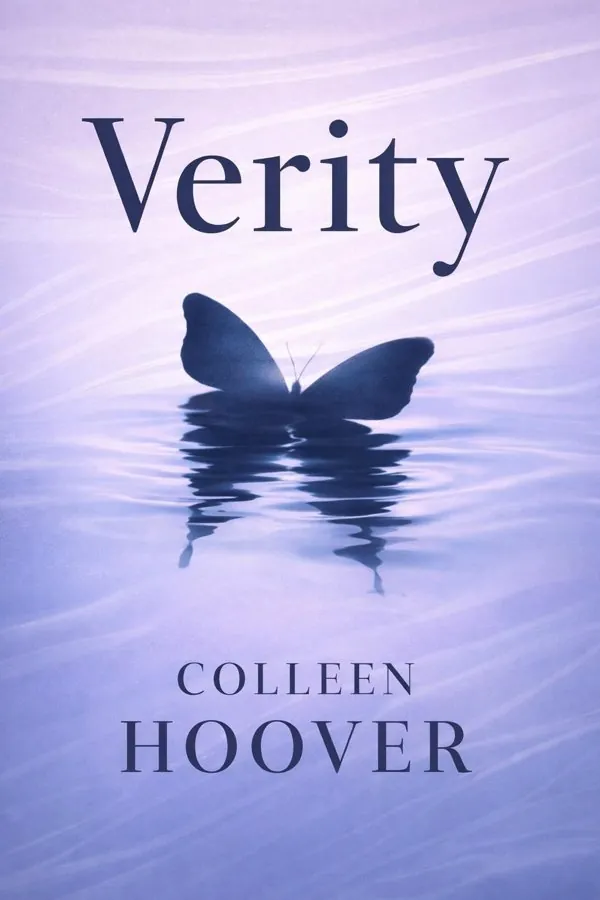

Verity
November 9
In-Depth Analysis
Although both Verity and November 9 are Colleen Hoover novels marketed within romance, they produce radically different reading experiences because they ask different central questions. Verity asks, “What if desire makes truth unreadable?” November 9 asks, “Can love survive the versions of ourselves we become over time?” One is designed as a destabilizing psychological trap; the other as an emotional, time-structured love story about shame, identity, and forgiveness.
The clearest difference appears in narrative architecture. Verity uses enclosure: Lowen enters the Crawford home, accepts the job of finishing Verity Crawford’s series, and gradually becomes trapped in a house saturated with grief, suspicion, and erotic tension. The hidden manuscript serves as the novel’s most effective formal device. It creates a book-within-the-book that seems to offer direct access to Verity’s mind, including chilling confessions about her marriage, motherhood, and jealousy. Because Lowen reads these pages in private, the reader experiences the same intoxicating certainty she does: the feeling that one has found the “real story” beneath appearances. Hoover then weaponizes that certainty in the ending, especially through the letter that challenges the manuscript’s status as truth. The novel’s power comes from how thoroughly it trains readers to trust a text and then exposes that trust as fragile.
November 9, by contrast, uses recurrence rather than enclosure. Fallon and Ben agree to meet only on November 9 each year, and that annual design gives the novel its emotional logic. Instead of building suspense through confinement, Hoover builds anticipation through absence. Each meeting must do double work: reveal who these characters have become over the past year and test whether their romantic connection is durable or merely idealized by distance. This structure is especially important for Fallon, whose burns and damaged self-image shape how she moves through the world. Her character arc is not simply about falling in love; it is about being seen beyond an injury that has reorganized her sense of self. Ben’s role as an aspiring novelist also adds a metafictional layer, since storytelling in November 9 is tied to seduction, self-fashioning, and eventually concealment.
The books also differ sharply in their treatment of romance. In Verity, romance is inseparable from trespass. Lowen’s attraction to Jeremy intensifies in direct proportion to the moral contamination of the house. She is not merely falling for a widower-like figure in a moment of vulnerability; she is entering an emotionally compromised space where the boundaries between caretaker, investigator, and replacement partner collapse. Hoover deliberately makes this relationship feel both compelling and unsafe. The sexual chemistry is strong, but it is also part of the novel’s machinery of distortion. Readers are meant to ask whether Lowen is seeing Jeremy clearly or narrating him through fear, need, and the influence of Verity’s manuscript.
In November 9, romance is idealized but repeatedly tested by time. Fallon and Ben’s once-a-year arrangement turns love into a ritual of deferred intimacy. That gives their connection intensity, but also immaturity: they can preserve fantasy because they are spared ordinary daily life. Hoover uses this to explore whether fate is genuine or whether both characters are participating in a story they want to believe. The later revelations around Ben introduce a rupture that forces the novel out of whimsy and into moral consequence. Unlike Verity, where uncertainty remains central to the end, November 9 eventually seeks emotional restoration through disclosure and forgiveness.
Another major distinction is how each novel handles truth. In Verity, truth is forensic and unstable. The reader collects clues: Verity’s apparent incapacitation, strange movements, the manuscript’s disturbing scenes, Crew’s vulnerability, and Jeremy’s responses. Yet none of these clues settles the matter because the novel is fundamentally about performance. Verity may be pretending, Lowen may be projecting, Jeremy may be selectively visible, and the manuscript itself may be either confession or manipulation. The result is a thriller that turns reading into an ethical act: what do we do with private writing, and how quickly do we turn narrative into judgment?
In November 9, truth is emotional and delayed rather than structurally unknowable. Ben’s concealment matters not because it makes reality impossible to access, but because it damages trust. The revelations reframe earlier scenes, yet they do not produce the same ontological vertigo as Verity. Instead, they shift the reader from longing to betrayal. This makes November 9 more conventional in moral design. It wants the reader to feel the cost of secrets and to consider whether love can absorb them.
Stylistically, Verity is more aggressive. Its short chapters, ominous discoveries, and sexually charged menace create compulsive momentum. It is Hoover writing toward shock, not softness. November 9 is also highly readable, but its readability comes from emotional immediacy and a high-concept premise rather than dread. Even when it becomes painful, it remains oriented toward catharsis.
As a result, the books appeal to different appetites. Verity is the stronger choice for readers interested in ambiguity, unreliable texts, and romance contaminated by suspense. It is also the more formally interesting novel because the manuscript and final letter force active interpretation. November 9 is stronger for readers who want a character-centered love story with visible growth, dramatic reveals, and a more recognizable emotional payoff. Fallon’s struggle with self-worth gives it a humane center that Verity intentionally refuses.
If one judges by psychological complexity, Verity is more daring. If one judges by emotional sincerity, November 9 is more openhearted. Together, they show Hoover’s range: in one, she turns intimacy into a mechanism of horror; in the other, she turns time into a test of whether love is story, fate, or choice.
Side-by-Side Comparison
| Aspect | Verity | November 9 |
|---|---|---|
| Core Philosophy | Verity is built around the instability of truth. It asks whether intimacy gives access to reality or merely deepens obsession, especially through Lowen’s reading of the manuscript and her growing bond with Jeremy. | November 9 centers on timing, personal healing, and the belief that love can shape identity across years. Its philosophy is more romantic and developmental, treating storytelling as a way people both reveal and disguise themselves. |
| Writing Style | Verity uses a claustrophobic, fast-moving style with embedded text through Verity’s manuscript, creating a layered reading experience. Hoover leans into dread, sexual tension, and abrupt chapter-end hooks. | November 9 is written in a more openly emotional and conversational register. Its episodic structure, anchored to one date each year, gives the prose a reflective rhythm rather than a relentlessly suspenseful one. |
| Practical Application | Verity offers little practical guidance in a self-help sense, but it is useful for readers interested in unreliable narration, domestic suspense, and how desire distorts judgment. It can sharpen a reader’s awareness of manipulation in fiction. | November 9 has more immediate relational takeaways, especially around self-worth, trauma recovery, forgiveness, and the stories people tell about themselves. Readers may find it more applicable to real emotional growth and communication. |
| Target Audience | Verity best suits readers who enjoy dark romance, morally ambiguous characters, and psychological thrillers with disturbing reveals. It is less ideal for readers seeking comfort, stability, or traditionally healthy relationship dynamics. | November 9 is aimed at readers who want an emotional contemporary romance with high drama and a strong character-growth arc. It is generally more accessible to romance readers who prefer tenderness over menace. |
| Scientific Rigor | Scientific rigor is not a major concern in Verity; its psychological elements are designed for intensity rather than clinical realism. The novel prioritizes atmosphere and interpretive uncertainty over accurate mental health representation. | November 9 is likewise not scientifically rigorous, especially in its treatment of trauma and healing, which are shaped more by emotional narrative logic than psychological precision. Its realism is romantic rather than research-based. |
| Emotional Impact | Verity shocks, unsettles, and seduces the reader into complicity. Its strongest emotional effects are dread, voyeuristic fascination, and post-book debate about the final letter and manuscript. | November 9 aims for yearning, heartbreak, and catharsis. The emotional core rests in Fallon’s insecurity after her burns, Ben’s hidden guilt, and the pain of delayed honesty. |
| Actionability | Verity is more intellectually and emotionally provocative than actionable. Its value lies in the questions it raises about evidence, performance, and trust rather than in any clear life model to follow. | November 9 is more actionable in that it invites reflection on boundaries, honesty, timing, and forgiveness. Readers can more easily translate its conflicts into real-world relationship lessons. |
| Depth of Analysis | Verity rewards close reading because nearly every major scene can be reinterpreted depending on whether the manuscript or the letter is believed. The novel’s architecture encourages analysis of narration, motive, and reader manipulation. | November 9 has thematic depth through its recurring annual structure and its metafictional interest in Ben as a writer, but it is less interpretively open-ended. Its revelations reframe the story emotionally more than ontologically. |
| Readability | Verity is intensely readable in the page-turner sense; the chapters push readers forward through fear and curiosity. However, its disturbing content may make it a less comfortable read for some. | November 9 is smooth and accessible, with a hooky premise that naturally carries the reader through time jumps. It is easier to recommend to mainstream romance readers because its darkness is softer and more familiar. |
| Long-term Value | Verity tends to linger because of its ambiguous ending and the arguments it provokes. Readers often remember not just scenes, but the experience of mistrusting their own interpretation. | November 9 has long-term value for readers who connect to stories of reinvention, scars, and forgiveness. It may be less debate-inducing than Verity, but more personally resonant for readers invested in emotional healing. |
Key Differences
Suspense Engine vs. Romantic Calendar
Verity is propelled by discovery: Lowen finds a manuscript and each new section deepens danger and uncertainty. November 9 is propelled by recurrence: each yearly meeting between Fallon and Ben updates the emotional landscape and tests whether memory has become fantasy.
Ambiguity vs. Resolution
The most famous feature of Verity is that its ending refuses clean certainty, especially regarding the manuscript and the letter. November 9 includes major revelations too, but it ultimately steers toward emotional clarification and forgiveness rather than interpretive stalemate.
Erotic Menace vs. Romantic Yearning
In Verity, attraction is inseparable from danger; Lowen’s bond with Jeremy intensifies inside a morally contaminated household. In November 9, desire is shaped by distance, anticipation, and the ache of limited time together, making it feel more wistful than threatening.
House as Character vs. Date as Structure
The Crawford home in Verity acts almost like a living pressure chamber, concentrating grief, secrets, and surveillance. In November 9, the recurring date itself becomes the organizing principle, giving the story ritual shape and emphasizing how people change between encounters.
Reader Doubt vs. Reader Identification
Verity constantly asks the reader to doubt what is being seen, read, and inferred; even direct confession may be performance. November 9 more often invites readers to identify with Fallon’s insecurity and Ben’s longing, anchoring the experience in empathy rather than suspicion.
Psychological Game vs. Emotional Healing Arc
Verity works as a psychological game about obsession, evidence, and manipulation, with the reader effectively cast as juror. November 9 is more of an emotional healing arc, especially through Fallon’s attempts to reclaim confidence and define herself beyond visible trauma.
Aftertaste of Debate vs. Aftertaste of Catharsis
Readers often leave Verity still unsettled, replaying clues and questioning which version of events they accept. Readers usually leave November 9 processing whether they can emotionally accept the path to forgiveness, which creates closure even when the pain remains.
Who Should Read Which?
The thriller-romance crossover reader
→ Verity
This reader wants sexual tension, danger, and a plot that keeps reinterpreting itself. Verity delivers through the manuscript device, the eerie house setting, and a romance that never feels fully safe or innocent.
The emotional contemporary romance reader
→ November 9
This reader is looking for longing, growth across time, and a central relationship that drives the narrative. Fallon and Ben’s yearly reunions, combined with themes of self-image and forgiveness, make November 9 the better fit.
The book club analyst
→ Verity
Readers who enjoy debating endings, motives, and unreliable texts will get more material from Verity. The question of whether the manuscript or the letter is true creates exactly the kind of interpretive friction that sustains discussion.
Which Should You Read First?
If you are deciding which to read first, start with November 9 if you want to enter Colleen Hoover through her more recognizable romantic mode. It introduces many of the traits readers associate with her work—high emotional stakes, damaged but magnetic characters, dramatic revelations, and a strong investment in love as a transformative force. Because its structure is unusual but easy to follow, it makes a smoother first experience. Start with Verity first only if your tastes lean toward thrillers, dark romance, or books built around unreliable evidence. It is the more gripping page-turner on a scene-by-scene level, but also the more abrasive and unsettling one. Reading November 9 before Verity can also make Hoover’s range more striking: you move from an emotional annual-love-story framework into a claustrophobic psychological puzzle. For most readers, the best order is November 9 then Verity—first the heartfelt Hoover, then the destabilizing Hoover.
Want the full summary?
Get instant access to this book summary and 100K+ more with Fizz Moment.
Get Free SummaryAvailable on App Store • Free to download
Frequently Asked Questions
Is Verity better than November 9 for beginners?
If by beginners you mean readers new to Colleen Hoover, November 9 is usually the easier starting point. Its once-a-year meeting structure is clear, the emotional stakes are direct, and the book behaves more like a recognizable contemporary romance even when it introduces painful secrets. Verity is more beginner-friendly only for readers who already enjoy thrillers, dark romance, or unreliable narration. It contains more disturbing content, morally messy attraction, and an ending built on ambiguity. So for general romance beginners, November 9 is the safer entry; for suspense beginners who want a page-turner, Verity may be more irresistible.
Which is darker: Verity or November 9?
Verity is unquestionably darker in tone, content, and psychological atmosphere. Its plot revolves around an apparently incapacitated author, a secret manuscript full of disturbing confessions, dead children haunting the background, and a house where every gesture might be surveillance or performance. November 9 deals with trauma too, especially Fallon’s burn scars and Ben’s guilt, but its emotional aim is healing rather than dread. Even at its most painful, it wants reunion and forgiveness. Verity wants suspicion, discomfort, and debate. If you are searching for the darker Colleen Hoover book between these two, Verity is the clear answer.
Is November 9 or Verity better if I want romance first and suspense second?
November 9 is the better choice if your priority is romance first. The book is fundamentally about Fallon and Ben’s connection, their yearly reunions, and the ways distance magnifies longing. Its twists exist to challenge the relationship, not to turn the whole reality of the story unstable. Verity, by contrast, uses romance as fuel for suspense. Lowen’s attraction to Jeremy becomes entangled with fear, voyeurism, and the disturbing evidence she uncovers in Verity’s manuscript. If you want emotional yearning, chemistry, and a more central love story, go with November 9; if you want romance laced with danger, choose Verity.
Which book has the stronger twist ending, Verity or November 9?
Verity has the stronger and more memorable twist structure because its ending does not simply reveal new information; it destabilizes the reader’s method of interpretation. The final letter forces you to reconsider the manuscript, Lowen’s conclusions, and Jeremy’s actions, which is why readers argue about it long after finishing. November 9 also includes a significant revelation that recontextualizes Ben and the relationship, but its twist functions more as an emotional rupture than a philosophical puzzle. It is impactful, but it aims toward reconciliation. Verity’s ending is stronger if you value ambiguity and post-reading debate.
Should I read Verity or November 9 if I like emotionally intense books with trauma and healing?
Choose November 9 if you want emotional intensity shaped by healing. Fallon’s insecurity after her injuries, her struggle to rebuild confidence, and the years-long evolution of her bond with Ben create a more recognizable recovery arc. The novel is dramatic, but its center is vulnerability and self-reclamation. Verity also contains trauma, grief, and obsession, yet it uses those experiences to create menace rather than restoration. Its emotional intensity comes from fear, sexual tension, and distrust. So if trauma-and-healing is your keyword, November 9 aligns better; if trauma used for psychological suspense appeals more, then Verity fits.
Is Verity better than November 9 for book clubs?
Verity is generally better for book clubs because it invites argument. Members can debate whether the manuscript was truthful, whether the final letter should be believed, whether Jeremy is trustworthy, and whether Lowen’s actions are understandable or compromised. The interpretive openness gives a group plenty to analyze. November 9 can still work well for discussion, especially around self-image, fate, forgiveness, and Ben’s choices, but it usually leads to more value-based conversation than structural debate. If your book club likes ambiguity, unreliable narration, and competing theories, Verity will likely produce the livelier meeting.
The Verdict
If you want the more daring, conversation-starting novel, Verity is the stronger pick. It is sharper in structure, more memorable in atmosphere, and far more ambitious in the way it manipulates reader trust. The manuscript device, the predatory intimacy of the Crawford house, and the final letter combine to create a reading experience that is not just emotional but interpretive. You do not simply finish Verity; you argue with it. For readers who enjoy psychological suspense, dark romance, and endings that refuse to settle neatly, it is the more distinctive book. That said, November 9 may be the better recommendation for readers who come to Colleen Hoover primarily for romance. Fallon and Ben’s annual meetings create an immediately compelling premise, and Fallon’s journey with visible scarring and self-worth gives the novel an earnest emotional center. While its revelations are dramatic, the book remains committed to longing, growth, and forgiveness in a way Verity deliberately resists. So the verdict depends on what you want from the word “intense.” If you mean eerie, obsessive, and morally destabilizing, choose Verity. If you mean heartfelt, painful, and cathartic, choose November 9. On pure literary stickiness and formal boldness, Verity edges ahead. On warmth and emotional accessibility, November 9 wins.
Want to read both books?
Get AI-powered summaries of both Verity and November 9 in just 20 minutes total.