
Breath vs The Oxygen Advantage: Simple, Scientifically Proven Breathing Techniques to Help You Become Healthier, Slimmer, Faster, and Fitter: Which Should You Read?
A detailed comparison of Breath by James Nestor and The Oxygen Advantage: Simple, Scientifically Proven Breathing Techniques to Help You Become Healthier, Slimmer, Faster, and Fitter by Patrick McKeown. Discover the key differences, strengths, and which book is right for you.
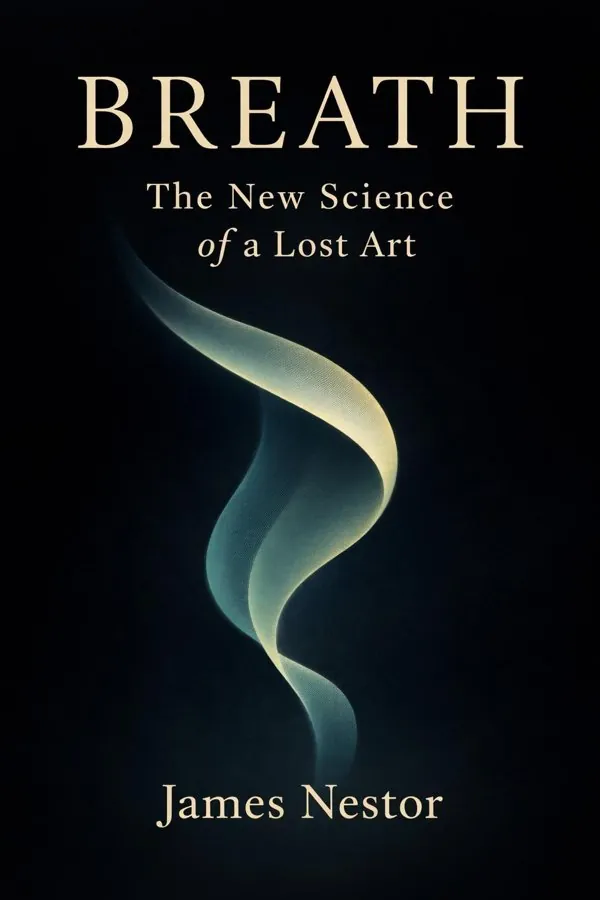

Breath
The Oxygen Advantage: Simple, Scientifically Proven Breathing Techniques to Help You Become Healthier, Slimmer, Faster, and Fitter
In-Depth Analysis
James Nestor’s 'Breath: The New Science of a Lost Art' and Patrick McKeown’s 'The Oxygen Advantage' both address the underestimated power of breathing, but they diverge sharply in approach, depth, and intended outcomes. Nestor’s narrative is framed as an exploration—equal parts journalism, memoir, and scientific investigation. He begins with personal health struggles and curiosity, which lead him to experiment with mouth versus nose breathing, participate in clinical trials, and seek wisdom from yogis, freedivers, and researchers. Through these journeys, he reveals how the shift from traditional to modern lifestyles has compromised our respiratory health, citing how crooked teeth, crowded jaws, and chronic mouth breathing have become global epidemics. His anecdotes—such as sealing his nose for days to replicate chronic mouth breathing, resulting in measurable health declines—are both dramatic and illuminating.
In contrast, McKeown’s 'The Oxygen Advantage' adopts the role of a prescriptive manual. Drawing from the Buteyko method, which emphasizes nasal breathing and reduced breath volume, McKeown meticulously explains the underlying science: the Bohr effect, the role of carbon dioxide in oxygen delivery, and the dangers of chronic over-breathing. His book is replete with charts, self-assessment tools (like the BOLT score), and step-by-step instructions. While Nestor’s work is about awakening readers to a lost art, McKeown’s is about mastering a proven technique for quantifiable results.
Methodologically, the two books differ starkly. Nestor’s research is broad and interdisciplinary, weaving together anthropology, clinical science, and personal narrative. He interviews orthodontists, paleontologists, pulmonologists, and spiritual practitioners, painting a sweeping picture of how breathing has shaped—and been shaped by—human evolution and culture. His willingness to self-experiment adds immediacy and relatability, but at times, his conclusions are more suggestive than definitive, as with his explorations of ancient practices or claims about evolutionary changes.
McKeown, on the other hand, is laser-focused on the biochemistry and physiology of respiration. He provides detailed citations, clinical studies, and case histories to support his assertions. For example, his explanation of why breathing less actually increases oxygenation (by raising CO2 tolerance and improving oxygen delivery to tissues) is rooted in decades of research. He places less emphasis on history or anthropology, instead building a methodical, evidence-based case for the practical superiority of the Buteyko approach and his own 'Oxygen Advantage' exercises. For athletes, he provides tailored routines to improve endurance, reduce recovery time, and increase VO2 max—claims substantiated by measurable outcomes.
Philosophically, Nestor sees breath as a bridge between lost wisdom and modern science. He frequently references yoga, Pranayama, and ancient texts, suggesting that the insights of the past—too often dismissed—are being validated by contemporary research. His book encourages curiosity and self-experimentation. McKeown’s philosophy is more pragmatic: breathing is a trainable skill, and anyone can optimize it for better health, sleep, and performance. While Nestor offers awe and possibility, McKeown offers structure and certainty.
In terms of practical implications, 'Breath' is likely to spark a shift in awareness. Readers may become more conscious of their habits, try taping their mouths at night, or seek to breathe through their noses more often. However, to transform this awareness into routine, they may need more guidance—precisely what 'The Oxygen Advantage' provides. McKeown’s book lays out protocols for everyone from chronic snorers to elite athletes, explaining how to safely progress, measure improvement, and adapt techniques to individual needs. The real-world impact of McKeown’s work is seen in countless testimonials and clinical evidence, while Nestor’s impact is more diffuse but potentially deeper in terms of changing cultural attitudes toward breathing.
Ultimately, these books are complementary. 'Breath' provides the why, painting a grand narrative about how and why we lost touch with proper breathing and what’s at stake. 'The Oxygen Advantage' provides the how, equipping readers with a toolkit to enact meaningful change. For those seeking understanding, inspiration, and context, Nestor is unmatched; for those seeking action, precision, and measurable results, McKeown is indispensable.
Side-by-Side Comparison
| Aspect | Breath | The Oxygen Advantage: Simple, Scientifically Proven Breathing Techniques to Help You Become Healthier, Slimmer, Faster, and Fitter |
|---|---|---|
| Core Philosophy | 'Breath' emphasizes rediscovering the natural, ancestral art of breathing, focusing on how ancient wisdom and modern science converge to highlight the transformative effects of proper breathing. | 'The Oxygen Advantage' is grounded in the belief that most people over-breathe and that deliberately reducing breath volume through the Buteyko method can optimize health and performance. |
| Writing Style | James Nestor writes in an engaging, narrative-driven style, blending personal experiments, interviews, and storytelling to make scientific concepts accessible and compelling. | Patrick McKeown adopts an instructive, no-nonsense tone, prioritizing clarity and precision over storytelling, with a strong focus on actionable advice and step-by-step techniques. |
| Practical Application | While Nestor offers practical tips, much of his book is devoted to exploring the science, history, and anecdotal experiences around breathing, making it more exploratory than instructional. | McKeown provides a structured program with detailed breathing exercises, progress-tracking, and protocols tailored for athletes, people with health issues, and anyone interested in tangible improvement. |
| Target Audience | 'Breath' appeals to readers curious about health, history, and science, including those who enjoy narrative nonfiction and personal journeys. | 'The Oxygen Advantage' targets athletes, fitness enthusiasts, and individuals with health problems who are seeking concrete, performance-oriented strategies. |
| Scientific Rigor | Nestor references a broad range of studies and interviews experts, but sometimes the anecdotal and historical narratives take precedence over rigorous experimental data. | McKeown's work is deeply rooted in the physiology of breathing, drawing extensively on peer-reviewed research and the established Buteyko clinical legacy. |
| Emotional Impact | Nestor’s personal struggles and discoveries create empathy and wonder, inviting readers to reflect on their own breathing habits and health. | McKeown’s focus is more motivational than emotional, encouraging readers to take control of their health through discipline and measurable outcomes. |
| Actionability | The takeaways in 'Breath' are inspirational but somewhat general, encouraging readers to experiment but providing fewer prescriptive routines. | 'The Oxygen Advantage' excels in providing actionable steps, daily routines, and measurable goals to track progress and outcomes. |
| Depth of Analysis | Nestor covers a wide historical and cultural range, connecting disparate threads and offering holistic insights into the evolution and science of breathing. | McKeown delves deeply into physiology and technique, offering a comprehensive manual for those seeking to master specific breathing methods. |
| Readability | 'Breath' is highly readable and entertaining, suitable for a general audience without prior knowledge. | 'The Oxygen Advantage' is more technical in parts, but remains accessible due to its clear explanations and structured approach. |
| Long-term Value | 'Breath' provides a paradigm shift in how readers perceive breathing, likely to inspire lasting curiosity and further exploration. | The practical exercises and protocols in 'The Oxygen Advantage' can be integrated into daily life for sustained health and performance benefits. |
Key Differences
Narrative vs. Manual
'Breath' is a narrative-driven exploration combining history, science, and memoir, while 'The Oxygen Advantage' is a step-by-step instructional manual focused on practical exercises and measurable outcomes.
Scope of Content
Nestor’s book covers the evolution, anthropology, and lost practices of breathing, drawing connections across time and culture. McKeown’s work is narrowly focused on the physiology of breath and the Buteyko method.
Actionability
'Breath' inspires readers to be more mindful of their breathing and try basic changes, but lacks detailed routines. 'The Oxygen Advantage' provides actionable steps, assessment tools, and progressive programs.
Intended Audience
'Breath' is written for a general audience interested in health and science. 'The Oxygen Advantage' is tailored for those seeking to improve athletic performance or address specific health concerns.
Scientific Depth
'The Oxygen Advantage' is grounded in clinical research and physiological detail, while 'Breath' often relies on anecdotal evidence and broader scientific overviews.
Historical Perspective
'Breath' integrates ancient practices and anthropological insights, whereas 'The Oxygen Advantage' is almost exclusively focused on modern science and application.
Emotional Tone
Nestor’s writing evokes curiosity and empathy through personal stories, while McKeown’s is motivational, emphasizing discipline and improvement.
Who Should Read Which?
The Curious Generalist
→ Breath
This reader values broad context, storytelling, and big-picture insights. 'Breath' offers a sweeping, engaging introduction to the science and history of breathing, making it ideal for someone who wants to understand the why before delving into technique.
The Performance-Oriented Athlete
→ The Oxygen Advantage
Athletes and fitness enthusiasts seeking measurable gains and specific routines will find 'The Oxygen Advantage' an invaluable resource. Its structured exercises and evidence-based approach are perfectly tailored for those pursuing enhanced endurance, faster recovery, and better overall performance.
The Health-Conscious Problem Solver
→ The Oxygen Advantage
Readers dealing with sleep issues, respiratory problems, or chronic fatigue will benefit from McKeown’s detailed protocols and self-assessment tools, which offer clear, actionable steps for tangible improvements.
Which Should You Read First?
For most readers, starting with 'Breath' by James Nestor is advantageous. Its narrative style, historical sweep, and accessible science provide crucial context, helping readers appreciate why breathing matters—physiologically, culturally, and personally. This foundation fosters curiosity and primes readers for deeper engagement. Once inspired by the big-picture understanding and personal stories in 'Breath,' readers are better equipped to benefit from the technical, step-by-step approach of 'The Oxygen Advantage.' For athletes, coaches, or those with urgent health needs, it may be tempting to jump straight to 'The Oxygen Advantage.' However, even for these readers, beginning with 'Breath' can enhance motivation and adherence by illuminating the broader significance of breathing practices. Conversely, those already familiar with the science or looking for immediate results can start with McKeown’s manual and refer to Nestor for supplementary context and inspiration.
Want the full summary?
Get instant access to this book summary and 100K+ more with Fizz Moment.
Get Free SummaryAvailable on App Store • Free to download
Frequently Asked Questions
Is 'Breath' better than 'The Oxygen Advantage' for beginners interested in breathing science?
'Breath' by James Nestor is highly accessible for beginners, providing a sweeping overview of the importance of breathing through stories, history, and approachable science. It serves as a welcoming introduction to the topic, sparking curiosity and self-awareness without overwhelming technical detail. While 'The Oxygen Advantage' is also accessible, it assumes a stronger interest in practical application and physiology, making 'Breath' the better starting point for those new to the science of breathing.
Does 'The Oxygen Advantage' offer more practical breathing exercises than 'Breath'?
Yes, 'The Oxygen Advantage' by Patrick McKeown is structured as a practical guide, offering a wide range of breathing exercises, self-assessment tools like the BOLT score, and progressive routines tailored to various needs, including athletic performance and health issues. While 'Breath' introduces readers to several techniques and concepts, it is less prescriptive and does not provide the same level of step-by-step instruction or measurable progress as McKeown's program.
Which book is more science-based: 'Breath' or 'The Oxygen Advantage'?
Both books are grounded in scientific research, but 'The Oxygen Advantage' is more tightly focused on physiological mechanisms and clinical evidence, particularly the Buteyko method and its impacts. McKeown provides detailed explanations of the biochemistry of breathing, references peer-reviewed studies, and supports claims with data. 'Breath' combines science with historical and anecdotal elements, at times prioritizing narrative over rigorous analysis.
Is 'Breath' suitable for athletes looking to improve performance?
'Breath' offers valuable insights into the importance of proper breathing for health and performance, and it will certainly increase an athlete’s awareness of the subject. However, it does not provide the specific protocols or targeted routines that athletes might need for measurable improvement. For actionable strategies and performance-oriented exercises, 'The Oxygen Advantage' is the more suitable choice.
How do the historical perspectives differ between 'Breath' and 'The Oxygen Advantage'?
'Breath' delves deeply into historical and anthropological aspects, examining how ancient cultures, yogis, and early medical practitioners understood and valued breathing. Nestor connects these insights to modern science, illustrating the continuity and loss of breathing wisdom. 'The Oxygen Advantage,' in contrast, focuses almost exclusively on contemporary science and application, with minimal reference to historical practices.
Can 'The Oxygen Advantage' help with sleep disorders more effectively than 'Breath'?
'The Oxygen Advantage' provides specific protocols for improving sleep, such as nasal breathing training, breath-hold exercises, and mouth taping, all designed to reduce snoring and sleep apnea symptoms. These structured interventions, supported by clinical evidence, make it a more effective resource for those seeking practical solutions to sleep disorders. 'Breath' raises awareness of the link between breathing and sleep but does not offer in-depth protocols.
The Verdict
Both 'Breath' by James Nestor and 'The Oxygen Advantage' by Patrick McKeown are essential reads for anyone interested in the transformative power of breathing, yet they serve distinctly different purposes. 'Breath' is the ideal entry point for readers curious about the broader context—those who crave a compelling narrative, historical perspective, and a sense of wonder about how something as basic as breathing shapes our lives. It will particularly resonate with general readers, lifelong learners, and those seeking to understand the 'why' behind breathing practices. ' The Oxygen Advantage,' on the other hand, is a must-read for anyone ready to take action—athletes, fitness enthusiasts, and individuals struggling with respiratory or sleep issues. McKeown's book is the go-to manual for those seeking structured, measurable, and scientifically validated breathing techniques that can be integrated into daily routines for lasting impact. Ideally, readers would start with 'Breath' to gain context and motivation, then turn to 'The Oxygen Advantage' for practical implementation. If forced to choose, those seeking inspiration and understanding should opt for Nestor, while those seeking change and results should choose McKeown.
Related Comparisons


Want to read both books?
Get AI-powered summaries of both Breath and The Oxygen Advantage: Simple, Scientifically Proven Breathing Techniques to Help You Become Healthier, Slimmer, Faster, and Fitter in just 20 minutes total.