
Becoming vs Born a Crime: Which Should You Read?
A detailed comparison of Becoming by Michelle Obama and Born a Crime by Trevor Noah. Discover the key differences, strengths, and which book is right for you.
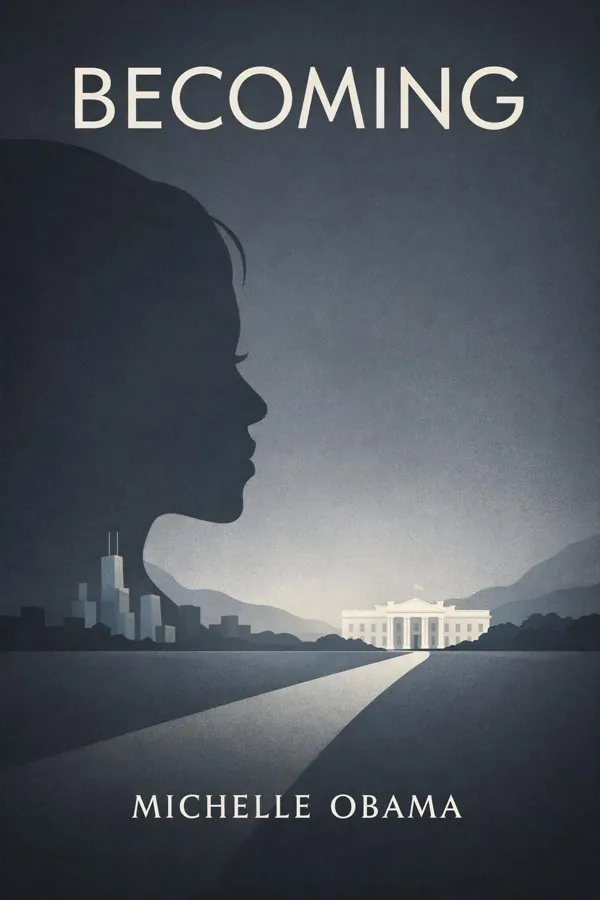
Becoming
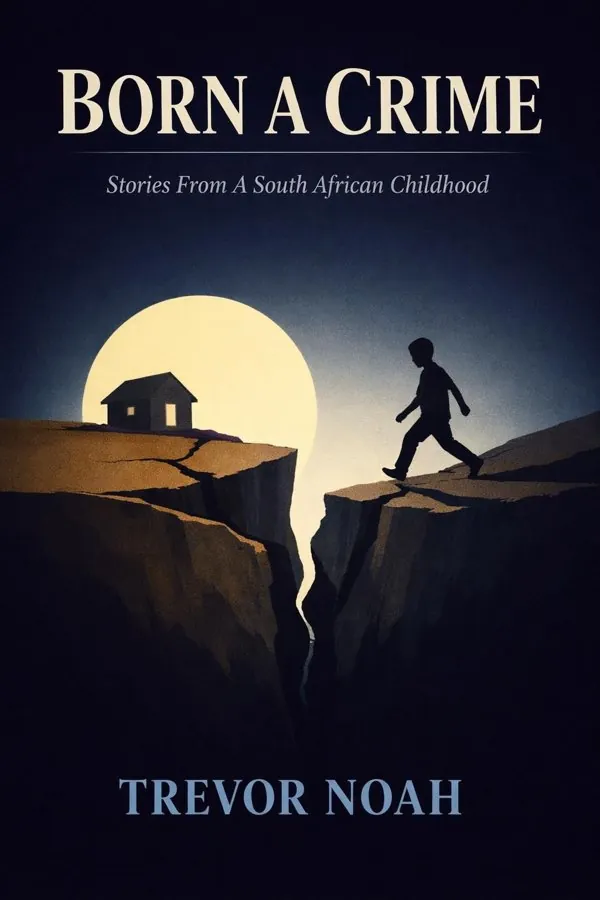
Born a Crime
In-Depth Analysis
Michelle Obama’s Becoming and Trevor Noah’s Born a Crime are both memoirs about identity under pressure, but they approach that shared subject from strikingly different directions. Becoming is a story of self-construction within and against institutions: family, school, law, marriage, politics, and public expectation. Born a Crime is a story of self-invention amid legal absurdity, racial contradiction, poverty, and danger in apartheid and post-apartheid South Africa. Read together, the books form a compelling transnational conversation about race, belonging, ambition, and the role of family in shaping a life.
The first major difference lies in the worlds each memoir inhabits. Michelle Obama begins on the South Side of Chicago, where her childhood in a small upstairs apartment becomes the moral center of the book. Her father’s steadiness despite multiple sclerosis, her mother’s quiet intelligence, and the close bond with her brother Craig establish a home defined by order, sacrifice, and pride. These scenes matter because they explain the emotional logic behind her later ambition: achievement is not vanity but responsibility. Trevor Noah’s childhood, by contrast, is marked from the start by illegality. As he explains, his very birth violated apartheid law because he had a Black Xhosa mother and a white Swiss father. Where Obama’s early life is constrained by class and race within a recognizable neighborhood structure, Noah’s is fractured by a state that criminalizes his existence. The result is a memoir less about climbing than about moving between categories that were never made to include him.
A second key contrast is narrative method. Becoming is broadly chronological and cumulative. Michelle Obama traces her development through school, Princeton, Harvard Law, corporate work, public service, marriage, motherhood, and the White House. The form reinforces the title: each stage becomes another layer in the making of the self. Even when she describes external milestones, she returns to interior questions—who am I becoming, and what have I sacrificed to get here? Born a Crime is more episodic. Its chapters often read like linked stories: going to church with his mother, hustling pirated CDs, navigating township friendships, translating between groups, or surviving his mother’s abusive husband. This structure mirrors Noah’s theme that identity is situational and tactical. Instead of a single smooth arc of becoming, his memoir presents a series of collisions with systems that require improvisation.
The books also differ in how they treat social analysis. Obama’s memoir is deeply observant about race, class, and gender, especially in elite spaces. Her descriptions of Whitney Young, Princeton, and Harvard Law show how excellence can coexist with alienation. She does not dramatize these institutions as cartoonishly hostile, but she captures the subtle exhaustion of proving oneself where one was not originally imagined to belong. Later, as Barack Obama’s political career expands, she remains attentive to the hidden labor of marriage, parenting, and public composure. Noah is more overtly analytical. He frequently pauses the narrative to explain apartheid’s logic, the politics of language, or the social meanings of categories like Black, white, and colored in South Africa. One of his most memorable insights is that language can break boundaries faster than race can; when he speaks to people in their own language, suspicion softens. That observation is not just anecdotal but conceptual, revealing how power operates through speech and recognition.
Family, in both books, is the primary engine of resilience. In Becoming, Michelle Obama’s family teaches constancy. Her parents model discipline without self-pity, and this grounding remains crucial when fame threatens to turn life abstract. Even her marriage is portrayed not as glamorous destiny but as negotiated partnership. She is notably candid about imbalance, resentment, therapy, fertility struggles, and the burden of two ambitious careers. That candor gives the memoir credibility; it resists the myth that successful couples simply harmonize naturally. In Born a Crime, Patricia Noah dominates the book as a force of will, faith, and audacity. She drags Trevor through multiple churches, pushes him toward education, and refuses submission even in violent circumstances. If Obama’s family represents stability, Noah’s mother represents defiant motion. She acts, schemes, prays, and persists. Her near-fatal shooting by Abel is one of the most shocking and emotionally powerful moments in either memoir, crystallizing the book’s concern with both structural and intimate violence.
Tone is another decisive distinction. Becoming is moving, but its emotional register is controlled and reflective. Even when Obama discusses pain—miscarriage, loneliness, racist caricature, or the scrutiny of the presidency—she writes with deliberation. The reader feels trust, steadiness, and earned wisdom. Born a Crime is more tonally elastic. Noah can make a chapter hilarious and then quietly devastating. His humor is not ornamental; it is a survival technology. Jokes reveal absurdity, but they also expose fragility. This makes the memoir feel faster, riskier, and in some moments more shocking than Obama’s.
In terms of reader takeaway, Becoming is stronger for readers seeking a model of deliberate growth. It offers lessons about educational aspiration, professional recalibration, marriage under strain, and remaining anchored while inhabiting powerful institutions. Born a Crime is stronger for readers who want memoir fused with social explanation. It teaches through scenes: how racial systems distort daily life, how language creates temporary belonging, how children learn entrepreneurship under scarcity, and how a parent’s courage can become a child’s method.
Neither book is simply inspirational, though both are inspiring. Becoming insists that a meaningful life is assembled through discipline, doubt, and values one keeps rechoosing. Born a Crime insists that selfhood can emerge even when the law, the street, and the family are unstable. Obama’s memoir asks how to stay whole while ascending. Noah’s asks how to stay alive, legible, and free while crossing fractured worlds. Together, they demonstrate two powerful versions of resilience: one grounded in steady formation, the other in improvisational survival.
Side-by-Side Comparison
| Aspect | Becoming | Born a Crime |
|---|---|---|
| Core Philosophy | Becoming is built around the idea that identity is not fixed but continually formed through effort, reflection, and self-definition. Michelle Obama emphasizes dignity, discipline, and the ongoing work of becoming oneself despite external expectations. | Born a Crime centers on survival through adaptability in a society structured by racial absurdity and violence. Trevor Noah frames identity as something negotiated across language, race, class, and power, often through wit and social intelligence. |
| Writing Style | Michelle Obama writes in a polished, intimate, and reflective voice, moving chronologically through childhood, education, marriage, motherhood, and public life. Her prose is warm and accessible, with emotional candor balanced by composure. | Trevor Noah uses a sharper, more episodic style that blends storytelling, social commentary, and humor. His voice is conversational and comic, but it frequently turns incisive when exposing the logic of apartheid and domestic instability. |
| Practical Application | Becoming offers practical insight into ambition, mentorship, marriage, career reinvention, and public responsibility. Readers can draw clear lessons about self-advocacy, resilience in elite institutions, and balancing personal values with public roles. | Born a Crime offers practical lessons less as advice and more as lived strategy: code-switching, reading social environments, using language to build trust, and improvising under constraint. Its applications are especially strong in understanding cultural navigation and resilience. |
| Target Audience | This memoir suits readers interested in personal growth, women’s leadership, family life, education, and modern American public culture. It especially resonates with readers thinking about achievement, partnership, and identity within systems of prestige and scrutiny. | This memoir is ideal for readers interested in race, colonial history, comedy, political systems, and unconventional coming-of-age stories. It has broad appeal for readers who want social critique embedded in vivid personal narrative. |
| Scientific Rigor | As a memoir, Becoming does not aim for scientific rigor, but it is psychologically insightful and socially observant. Its authority comes from firsthand experience rather than research or data. | Born a Crime is also not research-driven, yet it explains apartheid’s racial classifications and social mechanics with impressive clarity. Noah’s rigor lies in narrative precision and his ability to translate structural history into concrete scenes. |
| Emotional Impact | Becoming has a steady emotional force rooted in vulnerability: Michelle Obama’s doubts at Princeton and Harvard, fertility struggles, marital strain, and the pressures of life in the White House all land with sincerity. The emotional tone is often hopeful even when frank about sacrifice. | Born a Crime delivers a more volatile emotional experience, swinging from hilarious childhood episodes to fear, poverty, and shocking violence, especially in the sections about Patricia Noah and Abel. Its final act is particularly devastating and memorable. |
| Actionability | The book is more directly actionable for readers seeking models of disciplined growth, strategic education, and intentional partnership. Michelle Obama often turns experience into explicit reflection about choice, work, and staying grounded. | Born a Crime is less prescriptive but highly usable as a lesson in adaptive thinking. Readers come away with frameworks for understanding power, prejudice, and interpersonal survival rather than step-by-step self-help guidance. |
| Depth of Analysis | Becoming is strongest in interior analysis: how ambition feels, how institutions shape self-perception, and how marriage changes under pressure. Its social critique is present but secondary to the arc of personal development. | Born a Crime combines inward reflection with external analysis of apartheid, language politics, religion, masculinity, and economic precarity. It often reaches more explicitly sociological conclusions through anecdote. |
| Readability | Becoming is highly readable, with smooth structure and clear transitions that make its long arc easy to follow. Its reflective pacing may feel slower to readers who prefer plot-heavy memoirs. | Born a Crime is exceptionally readable because each chapter functions like a self-contained story. The humor, momentum, and dramatic variety make it especially easy to recommend to memoir beginners. |
| Long-term Value | Becoming has enduring value as a record of personal formation and as a portrait of race, class, gender, and public life in contemporary America. Many readers return to it for encouragement during periods of transition. | Born a Crime has lasting value as both a gripping memoir and a lucid account of apartheid’s afterlife. Its insights into language, identity, and inherited systems remain relevant well beyond Noah’s specific story. |
Key Differences
Formation vs Survival
Becoming is fundamentally about constructing a life through discipline, education, and intentional choices. Born a Crime is more about surviving and improvising within systems designed to fragment identity, from apartheid law to household instability.
Chronological Arc vs Episodic Stories
Michelle Obama’s memoir follows a largely continuous life arc from South Side childhood to the White House, emphasizing development over time. Trevor Noah’s memoir is built from vivid episodes, such as church marathons, hustles, and encounters with racial classification, making the reading experience more modular.
Interior Reflection vs External Social Explanation
Becoming spends more time on inner life: doubts at Princeton, dissatisfaction in corporate law, strain in marriage, and the search for meaningful work. Born a Crime more often pauses to explain how apartheid, language politics, and social hierarchy shape everyday interactions.
Controlled Warmth vs Comic Volatility
Obama’s voice is warm, polished, and emotionally measured, even when discussing painful material like miscarriage or racist scrutiny. Noah’s voice moves quickly between humor and danger, which makes chapters feel more unpredictable and sometimes more dramatically intense.
American Institutional Life vs South African Racial Fragmentation
Becoming is rooted in American schools, workplaces, neighborhoods, and political institutions, showing how race and gender operate inside systems of prestige. Born a Crime is rooted in apartheid and its aftermath, where legal categories, language groups, and township realities create a more visibly fractured social order.
Partnership as Theme vs Motherhood as Force
A major pillar of Becoming is Michelle Obama’s partnership with Barack Obama, including courtship, career tension, parenting, and political life. In Born a Crime, the central relationship is between Trevor and his mother Patricia, whose courage, faith, and refusal to submit shape the entire memoir.
Directly Applicable Advice vs Indirect Strategic Wisdom
Readers can easily translate Becoming into lessons about mentorship, educational persistence, career pivots, and sustaining a marriage under pressure. Born a Crime teaches just as much, but more indirectly, through examples of code-switching, entrepreneurial creativity, and navigating dangerous social environments.
Who Should Read Which?
Readers seeking personal growth, career reflection, and a model of grounded leadership
→ Becoming
Michelle Obama’s memoir is especially valuable for readers thinking about ambition, education, purpose, and how to remain authentic inside demanding institutions. Her reflections on mentorship, partnership, motherhood, and reinvention are concrete and emotionally mature.
Readers who want a fast-moving memoir with humor, social critique, and unforgettable storytelling
→ Born a Crime
Trevor Noah combines comic timing with incisive analysis of apartheid, language, and survival. The episodic structure makes the book highly accessible, while the emotional stakes keep it far more than just entertaining.
Book club readers or students interested in race, identity, and how family shapes resilience
→ Born a Crime
Although both books fit this profile, Born a Crime tends to generate broader discussion because it connects personal narrative to larger systems with unusual clarity. Its themes of mixed identity, maternal influence, religion, poverty, and violence create many strong entry points for conversation.
Which Should You Read First?
A strong reading order is to start with Born a Crime and then move to Becoming. Trevor Noah’s memoir is faster, more episodic, and immediately immersive, which makes it an excellent entry point. Its short, memorable chapters create momentum, and its combination of humor and social analysis helps readers engage quickly with serious themes like race, poverty, and violence. Because each chapter delivers a distinct story, it is especially useful if you want to build interest before moving into a more reflective memoir. Then read Becoming as the deeper, steadier companion. Michelle Obama’s book rewards patience and sustained attention; its power accumulates through the long arc of childhood, education, work, marriage, and public life. After Noah’s sharp portrait of survival and adaptation, Obama’s memoir offers a complementary model of identity built through discipline, partnership, and introspection. If, however, your main interest is professional growth, womanhood, or American public life, reversing the order also works. But for most readers, Born a Crime first and Becoming second creates the richer emotional and thematic progression.
Want the full summary?
Get instant access to this book summary and 100K+ more with Fizz Moment.
Get Free SummaryAvailable on App Store • Free to download
Frequently Asked Questions
Is Becoming better than Born a Crime for beginners who are new to memoirs?
For most beginners, Born a Crime is slightly easier to enter because its chapters work like vivid standalone stories, and Trevor Noah’s humor creates immediate momentum. You can read about church, language, hustling, or family conflict almost as separate essays, which makes the book feel fast and accessible. Becoming is also very readable, but it unfolds in a more continuous developmental arc, so it rewards sustained interest in Michelle Obama’s life stages rather than quick episodic payoffs. If a beginner prefers reflective life-writing and personal growth, Becoming may be the better starting point; if they want pace, comedy, and dramatic turns, Born a Crime usually wins.
Which memoir is more emotionally powerful: Becoming or Born a Crime?
That depends on what kind of emotional power you value. Becoming builds emotional depth gradually through Michelle Obama’s honesty about ambition, self-doubt, fertility struggles, marital strain, and the pressures of public life. Its power comes from recognition and intimacy. Born a Crime hits harder in sudden waves: Trevor Noah’s stories can be hilarious one moment and terrifying the next, especially when the memoir turns toward domestic abuse and his mother’s shooting. If you prefer steady, reflective vulnerability, Becoming may move you more. If you respond strongly to tonal contrast, danger, and intense family drama, Born a Crime is likely the more emotionally explosive read.
Is Born a Crime better than Becoming for understanding race and society?
Born a Crime is generally stronger if your main goal is understanding how a racial system operates in everyday life. Trevor Noah doesn’t just narrate his childhood; he explains apartheid’s classifications, the politics of language, and how race intersects with poverty, religion, and masculinity. The memoir often functions as social analysis through anecdote. Becoming absolutely explores race, especially in schools, elite institutions, and national politics, but its emphasis is more on Michelle Obama’s personal development and relationships. So if you want memoir with a stronger explanatory framework about race and society, Born a Crime has the edge; if you want race examined through the lens of aspiration and public responsibility, Becoming is stronger.
Which book offers more practical life lessons: Becoming or Born a Crime?
Becoming offers more direct life lessons for readers thinking about education, career direction, marriage, mentorship, and identity formation. Michelle Obama frequently reflects on what she learned from moving through Princeton, Harvard Law, corporate work, community service, and the White House, and those reflections are easy to apply to modern professional life. Born a Crime is practical in a different way: it teaches adaptability, social intelligence, code-switching, entrepreneurial improvisation, and resilience under constraint. If your question is about structured self-development, Becoming is more actionable. If you want lessons in reading people, navigating systems, and surviving unpredictability, Born a Crime is more useful.
Is Becoming or Born a Crime more suitable for book clubs?
Both are excellent book club choices, but they generate different conversations. Becoming tends to produce discussion around ambition, motherhood, marriage, race in elite spaces, public image, and what it means to redefine success. Readers often connect it to their own experiences of work, family expectation, and self-doubt. Born a Crime usually sparks broader debate about apartheid, language, religion, class, humor as survival, and domestic violence. It also provides more sharply varied chapter-by-chapter discussion points because each episode introduces a different social problem or personal strategy. For a club wanting reflective discussion, choose Becoming; for one wanting lively social and political debate, choose Born a Crime.
Which memoir has more long-term reread value: Becoming or Born a Crime?
Becoming may have greater reread value for readers in transition, because Michelle Obama’s reflections on identity, reinvention, partnership, and purpose resonate differently at different life stages. A student, a young professional, a parent, and a leader might all return to different sections for guidance. Born a Crime has strong reread value too, especially for its observations on language, race, and social adaptation, and because many of its stories are so memorable. But it is often reread for insight and narrative pleasure, whereas Becoming is more often revisited for orientation and encouragement. If you want a memoir to return to during life changes, Becoming probably lasts longer.
The Verdict
If you want the more balanced, inward, and development-focused memoir, choose Becoming. Michelle Obama offers a carefully structured portrait of how a person is formed by family, education, ambition, love, and public responsibility. The book is especially strong for readers interested in leadership, marriage, career choices, and the emotional cost of visibility. Its great strength is not drama but steadiness: it shows how character is built over time and how dignity can be preserved inside institutions that often misrecognize you. If you want the more dynamic, socially analytical, and immediately gripping memoir, choose Born a Crime. Trevor Noah turns his unusual childhood into a powerful lens on apartheid, language, poverty, and survival. It is funnier, more episodic, and often more startling than Becoming, but its humor never weakens its seriousness. Instead, it sharpens the critique. Taken purely as literary experiences, Born a Crime may be the more electric book; taken as a guide to personal formation and long-term self-understanding, Becoming may be the more sustaining one. For many readers, the best answer is not either-or but sequence: read Born a Crime for narrative velocity and structural insight, then Becoming for reflective depth and emotional grounding. Together they offer one of the strongest pairings in contemporary memoir: two distinct accounts of what it means to build a self in a world already trying to name you.
Want to read both books?
Get AI-powered summaries of both Becoming and Born a Crime in just 20 minutes total.