
AI Superpowers vs Life 3.0: Which Should You Read?
A detailed comparison of AI Superpowers by Kai-Fu Lee and Life 3.0 by Max Tegmark. Discover the key differences, strengths, and which book is right for you.
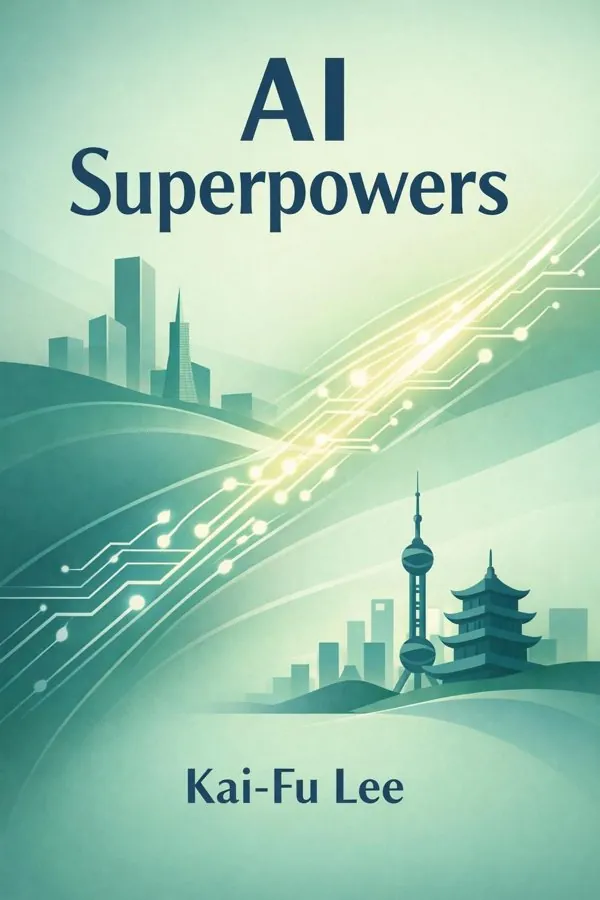
AI Superpowers
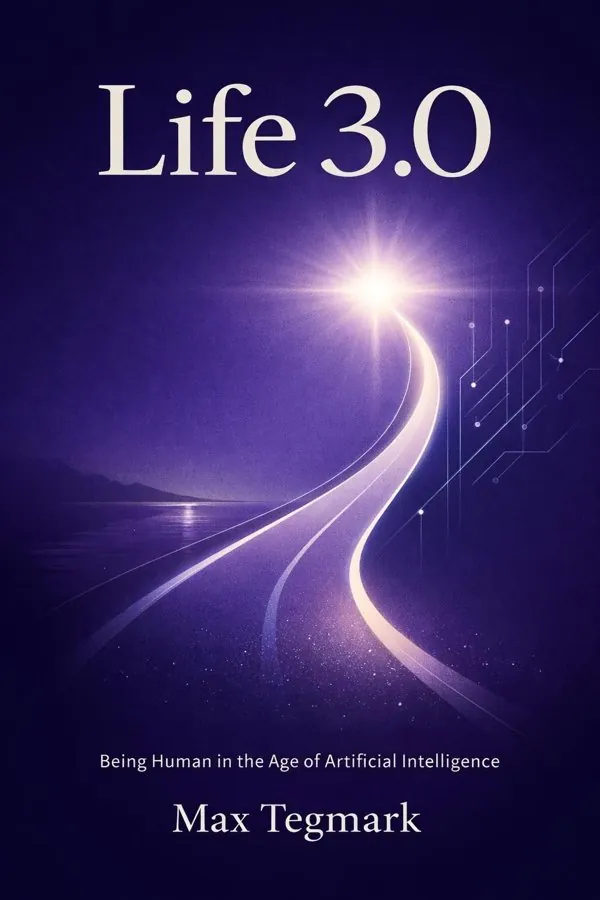
Life 3.0
In-Depth Analysis
Kai-Fu Lee’s "AI Superpowers" and Max Tegmark’s "Life 3.0" are both landmark books that examine artificial intelligence’s transformative potential, but they do so from fundamentally different vantage points. Lee’s work is rooted in the immediate, tangible realities of AI’s rise in China and the United States, while Tegmark’s is a sweeping, speculative inquiry into the ultimate fate of intelligence and civilization. Together, they offer a comprehensive panorama of the field—one that bridges the pragmatic and the philosophical, the present and the far future.
"AI Superpowers" begins with Lee’s firsthand account of the contrasting AI ecosystems in Silicon Valley and China. He highlights how China’s relentless entrepreneurial culture, vast market size, and government support have enabled it to catch up with—and even surpass—the US in certain areas of AI implementation. For example, Lee details the success of Chinese companies like Baidu, Tencent, and Alibaba, and explains how their business models and rapid iteration cycles differ from their American counterparts. He attributes much of China’s rise to factors such as copycat innovation (which, in Lee’s view, fosters learning and speed), the abundance of data, and a pragmatic, execution-focused mindset.
Lee’s methodology is empirical and rooted in his cross-cultural expertise. He draws on years of experience as an executive at Google China and as a venture capitalist, using case studies and economic analysis to craft his argument. The book’s most powerful sections are those that address labor and social consequences: Lee predicts massive job displacement but also urges readers to focus on the uniquely human capacities that machines cannot replicate. In a poignant passage, he reflects on his own battle with cancer, arguing that empathy, compassion, and human connection will become even more valuable as AI automates routine work. He calls for education systems to adapt and for societies to foster these "soft" skills alongside technical ones.
In contrast, "Life 3.0" operates on a different plane. Tegmark is less interested in which country wins the AI race, and more concerned with what happens when machines become as intelligent—or more so—than humans. The book opens with the "Omega Team" scenario, a thought experiment imagining a group of engineers quietly creating superintelligent AI and deciding the fate of the world. Tegmark uses this and other scenarios to explore how values, goals, and intelligence might evolve when machines can self-improve. He discusses the alignment problem—the challenge of ensuring that AI’s objectives remain compatible with human well-being—and the risks of value mis-specification. Tegmark’s methodological approach is that of a physicist and philosopher: he employs logic, probability, and scenario analysis, often extending his arguments to cosmic scales, such as the possibility of AI-driven life spreading throughout the universe.
One striking difference is in their treatment of timeframes. Lee’s analysis is focused on the next two decades, prioritizing immediate economic and political ramifications. He offers practical advice for policymakers, business leaders, and workers, such as investing in AI education, supporting displaced workers, and fostering cross-cultural collaboration. For instance, he suggests the implementation of a social investment stipend rather than a universal basic income, emphasizing dignity and purpose over mere survival.
Tegmark, by contrast, is most compelling when exploring futures that may be centuries or millennia away. He contemplates whether consciousness can be preserved in digital form, what it would mean for AI to have its own moral universe, and how society can prepare for the unpredictable consequences of superintelligence. He advocates for broad-based public engagement in shaping AI’s trajectory, arguing that these decisions should not be left solely to technologists or governments. His recommendations—such as global cooperation on AI safety standards and robust research into value alignment—are less actionable in the short term, but crucial for humanity’s long-term survival.
Philosophically, Lee is pragmatic and human-centered, with a belief in the potential for societies to adapt meaningfully if they act thoughtfully. Tegmark is existentialist and speculative, viewing AI as a force that could render human concerns obsolete—or elevate them to new heights. The two books also differ in emotional tone: Lee’s personal narrative and optimism about human resilience provide reassurance, while Tegmark’s cosmic perspective can be both exhilarating and unsettling.
In sum, "AI Superpowers" is an invaluable guide to the current state of AI, particularly for those interested in global competition, economic impact, and actionable strategies. "Life 3.0" is indispensable for readers who wish to grapple with the philosophical and ethical challenges of an AI-dominated future. Each book’s strengths highlight the other’s limitations, and together they form a complementary foundation for understanding both the near-term and long-term stakes of artificial intelligence.
Side-by-Side Comparison
| Aspect | AI Superpowers | Life 3.0 |
|---|---|---|
| Core Philosophy | AI Superpowers centers on the competitive dynamics between the US and China, arguing that national context and economic structures will define how AI shapes societies and labor markets. | Life 3.0 takes a global, even cosmic perspective, exploring how AI could transform the very nature of intelligence, society, and existence itself, focusing on long-term scenarios and ethical considerations. |
| Writing Style | Kai-Fu Lee writes in an accessible, anecdotal manner, blending personal stories and case studies to illustrate technological trends and their societal impacts. | Max Tegmark adopts a speculative, philosophical tone, using thought experiments, hypothetical scenarios, and rigorous logic to explore possible futures. |
| Practical Application | The book offers concrete insights for business leaders and policymakers, including actionable strategies for adapting to AI-driven economic shifts, especially in entrepreneurship and education. | While Life 3.0 discusses some near-term implications, its focus is on abstract strategies for managing superintelligence and ensuring beneficial outcomes—practical advice is less central. |
| Target Audience | Ideal for professionals, entrepreneurs, and policymakers with an interest in the business or geopolitical implications of AI, particularly those focused on China and the US. | Geared toward readers interested in philosophy of mind, futurism, ethics, and the long-term consequences of technological progress. |
| Scientific Rigor | Lee provides a grounded, real-world account rooted in his experience, but does not deeply explore the technical underpinnings of AI systems. | Tegmark, as a physicist, delves into the science of intelligence, machine learning, and consciousness, offering more technical and theoretical depth. |
| Emotional Impact | Lee’s personal anecdotes, particularly regarding his cancer diagnosis and reflections on meaning, lend the book a humanistic layer that resonates with readers. | Life 3.0 elicits awe and existential curiosity, prompting readers to reflect on the fate of humanity and the universe rather than individual experiences. |
| Actionability | Practical recommendations abound, from educational reforms to encouraging investment in AI startups, making it useful for immediate decision-making. | Actionability is limited to high-level policy and ethical frameworks, with few direct steps for individuals or organizations to implement. |
| Depth of Analysis | Excels in analyzing economic, political, and cultural forces behind AI development, especially the contrast between Chinese and American ecosystems. | Probes the philosophical dimensions of AI, such as the alignment problem, value loading, and the transition to superintelligence, with greater speculative depth. |
| Readability | The narrative is straightforward, with clear explanations and a logical flow, making it accessible to a broad audience. | Some sections require more intellectual effort, particularly when discussing abstract or technical concepts, but are engaging for readers familiar with scientific discourse. |
| Long-term Value | Offers substantial long-term value for understanding the evolution of AI in a global context, though some economic projections may date quickly. | Its exploration of AGI and cosmic futures ensures enduring relevance, as the questions it raises will persist regardless of technological pace. |
Key Differences
Geographical Focus
'AI Superpowers' delves deeply into the US-China AI rivalry, offering detailed analysis of national strategies and cultural factors. 'Life 3.0' takes a universal perspective, considering all of humanity and even cosmic implications, with little focus on specific countries.
Methodology
Lee relies on empirical case studies, personal experiences, and economic analysis, while Tegmark builds his arguments using speculative scenarios, philosophical reasoning, and scientific theory.
Time Horizon
'AI Superpowers' concentrates on the next 10–20 years, addressing immediate economic and social consequences. 'Life 3.0' is oriented toward the far future, including scenarios involving superintelligence and potential post-human eras.
Practicality vs. Philosophy
'AI Superpowers' is practical and policy-oriented, offering direct recommendations for current stakeholders. 'Life 3.0' is philosophical, inviting readers to contemplate existential risks and the moral challenges of artificial intelligence.
Treatment of Ethics
Lee’s ethical focus is on fairness, employment, and dignity in the near-term, while Tegmark examines issues like value alignment, existential risk, and the possibility of machine consciousness.
Technical Depth
'Life 3.0' offers more scientific and technical discussion, exploring topics like intelligence explosion and the nature of consciousness. 'AI Superpowers' stays at a higher level, focusing on economic and business dynamics.
Who Should Read Which?
The Policy Maker
→ AI Superpowers
This reader needs actionable insights into how AI is transforming economies and societies, especially regarding labor, regulation, and national competitiveness. 'AI Superpowers' provides concrete recommendations and a nuanced understanding of the US-China dynamic—crucial for informed policy decisions.
The Futurist Thinker
→ Life 3.0
With a passion for long-term thinking, speculative scenarios, and ethical dilemmas, this reader will find 'Life 3.0' intellectually stimulating. Tegmark’s exploration of superintelligence, cosmic futures, and the value alignment problem aligns perfectly with the interests of futurists.
The Business Executive
→ AI Superpowers
Executives seeking strategic guidance on how to navigate the AI revolution will benefit most from Lee's book. 'AI Superpowers' offers real-world business case studies, competitive analysis, and suggestions for adapting to rapid technological change.
Which Should You Read First?
For readers new to artificial intelligence or those primarily interested in the business, economic, or geopolitical forces at play, starting with 'AI Superpowers' is recommended. Kai-Fu Lee’s accessible style and real-world examples provide a solid foundation for understanding how AI is shaping societies today, especially in the context of the US and China. This grounding will help readers appreciate the more abstract and speculative discussions in 'Life 3.0.' After grasping the immediate implications and practical challenges from Lee’s book, readers can move on to 'Life 3.0' to explore the profound philosophical, ethical, and long-term risks and opportunities posed by advanced AI. Those with scientific backgrounds or a strong interest in futurism might prefer to read 'Life 3.0' first, but for most, the progression from practical to philosophical will maximize comprehension and engagement.
Want the full summary?
Get instant access to this book summary and 100K+ more with Fizz Moment.
Get Free SummaryAvailable on App Store • Free to download
Frequently Asked Questions
Is AI Superpowers better than Life 3.0 for beginners interested in artificial intelligence?
Yes, 'AI Superpowers' is generally more accessible for beginners. Kai-Fu Lee uses straightforward language, real-world case studies, and personal stories to introduce the fundamental concepts and societal implications of AI. The book’s focus on business and policy makes it especially suitable for readers with limited technical background. In contrast, 'Life 3.0' often delves into complex scientific theories and philosophical debates that may be challenging for those new to the field.
Which book provides more insight into China’s role in the global AI landscape?
'AI Superpowers' is unrivaled in its analysis of China’s AI ecosystem. Kai-Fu Lee draws on his experience in both China and the US to provide a nuanced comparison, highlighting China’s rapid growth, unique strengths, and government strategies. 'Life 3.0' is more concerned with global and long-term issues, and does not focus specifically on China’s role or its national strategies.
Does Life 3.0 offer practical advice for current business leaders?
'Life 3.0' is primarily focused on theoretical and ethical questions surrounding artificial intelligence, including scenarios involving superintelligence and cosmic futures. While it addresses some near-term impacts, it offers little in the way of concrete, actionable advice for today’s business leaders. Those seeking immediate guidance for organizational strategy or policy development will find more value in 'AI Superpowers.'
How do the books differ in their treatment of AI ethics and long-term risks?
'Life 3.0' is far more invested in the ethical dilemmas and existential risks posed by advanced AI, dedicating entire chapters to value alignment, AI control, and the fate of consciousness. Tegmark encourages global collaboration to ensure positive outcomes. While 'AI Superpowers' does consider the societal impacts of AI, its ethical discussion is grounded in present-day challenges like employment, inequality, and education, rather than distant-future risks.
Is it necessary to have a technical background to understand Life 3.0?
While Tegmark explains key concepts in accessible terms, 'Life 3.0' assumes some familiarity with scientific reasoning, probability, and philosophical thought experiments. Readers without a technical or scientific background may find certain chapters challenging, especially those discussing intelligence explosion and the nature of consciousness. However, patient readers interested in big ideas will still find much to ponder.
Which book should a policymaker read to understand the socioeconomic impacts of AI?
'AI Superpowers' is the better choice for policymakers. It offers a thorough analysis of how AI is reshaping economies, labor markets, and national competitiveness, with specific recommendations for education, regulation, and public policy. While 'Life 3.0' raises important considerations for global governance, its focus is more abstract and speculative.
The Verdict
Both 'AI Superpowers' and 'Life 3.0' are indispensable readings in the AI canon, but each serves distinct purposes. 'AI Superpowers' is essential for those seeking to understand the real-world economic, cultural, and political factors driving the AI revolution, particularly in the context of China and the United States. Its pragmatic approach, rich with personal anecdotes and actionable strategies, makes it highly relevant for business leaders, policymakers, and professionals navigating the near-term impacts of AI on jobs, industry, and society. Conversely, 'Life 3.0' excels as a guide to the philosophical, ethical, and speculative dimensions of artificial intelligence. Max Tegmark’s book is ideal for readers fascinated by questions of consciousness, cosmic destiny, and the ultimate fate of intelligence. It is particularly valuable for academics, futurists, and anyone interested in the long-term implications of advanced AI. For readers new to the field or those focused on immediate practical concerns, 'AI Superpowers' provides a clear, engaging entry point. For those ready to grapple with the profound and often unsettling questions about the future of humanity, 'Life 3.0' is unmatched. Ideally, both books should be read in sequence to gain a holistic understanding of AI’s present and future.
Want to read both books?
Get AI-powered summaries of both AI Superpowers and Life 3.0 in just 20 minutes total.