
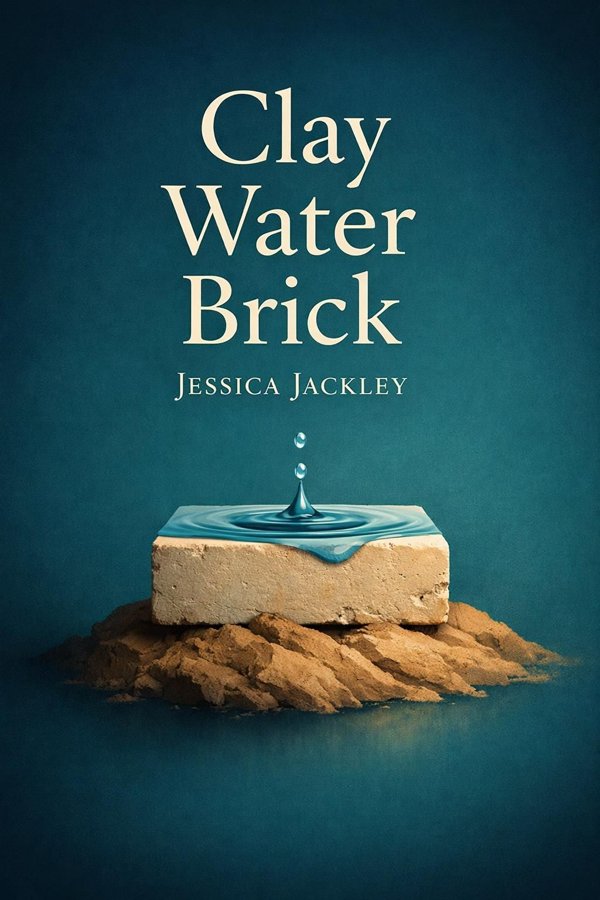
Clay Water Brick: Finding Inspiration from Entrepreneurs Who Do the Most with the Least: Summary & Key Insights
 10 min10 chaptersAudio available
What Is Clay Water Brick: Finding Inspiration from Entrepreneurs Who Do the Most with the Least About?
Clay Water Brick: Finding Inspiration from Entrepreneurs Who Do the Most with the Least by Jessica Jackley is a entrepreneurship book spanning 10 pages. Clay Water Brick es una obra inspiradora que explora cómo los emprendedores en entornos de bajos recursos transforman materiales simples y limitados en soluciones innovadoras. Jessica Jackley, cofundadora de Kiva, comparte historias reales de personas que, con creatividad y determinación, construyen negocios sostenibles y comunidades más fuertes. El libro combina reflexiones personales con lecciones prácticas sobre la resiliencia, la empatía y el poder del emprendimiento social.
This FizzRead summary covers all 10 key chapters of Clay Water Brick: Finding Inspiration from Entrepreneurs Who Do the Most with the Least in approximately 10 minutes, distilling the most important ideas, arguments, and takeaways from Jessica Jackley's work. Also available as an audio summary and Key Quotes Podcast.
Clay Water Brick: Finding Inspiration from Entrepreneurs Who Do the Most with the Least
Clay Water Brick es una obra inspiradora que explora cómo los emprendedores en entornos de bajos recursos transforman materiales simples y limitados en soluciones innovadoras. Jessica Jackley, cofundadora de Kiva, comparte historias reales de personas que, con creatividad y determinación, construyen negocios sostenibles y comunidades más fuertes. El libro combina reflexiones personales con lecciones prácticas sobre la resiliencia, la empatía y el poder del emprendimiento social.
Who Should Read Clay Water Brick: Finding Inspiration from Entrepreneurs Who Do the Most with the Least?
This book is perfect for anyone interested in entrepreneurship and looking to gain actionable insights in a short read. Whether you're a student, professional, or lifelong learner, the key ideas from Clay Water Brick: Finding Inspiration from Entrepreneurs Who Do the Most with the Least by Jessica Jackley will help you think differently.
- ✓Readers who enjoy entrepreneurship and want practical takeaways
- ✓Professionals looking to apply new ideas to their work and life
- ✓Anyone who wants the core insights of Clay Water Brick: Finding Inspiration from Entrepreneurs Who Do the Most with the Least in just 10 minutes
Want the full summary?
Get instant access to this book summary and 100K+ more with Fizz Moment.
Get Free SummaryAvailable on App Store • Free to download
Key Chapters
My introduction to microfinance came during my time in East Africa. I had studied development theory and believed aid could alleviate poverty, but the entrepreneurs I met showed me another approach—one rooted in dignity and autonomy. Microfinance wasn’t charity; it was partnership. I met individuals who borrowed tiny amounts—sometimes just $25 or $100—to start ventures that would sustain their families and revitalize communities.
Watching these exchanges unfold, I realized that opportunity, not handouts, sparked transformation. When someone is trusted with resources, no matter how small, they often rise to the expectation with ingenuity. I saw farmers investing in better tools, shopkeepers expanding inventory, and artisans training neighbors. They weren’t waiting for rescue; they were building futures with their own clay and water.
In those moments, poverty ceased to be a static condition—it became a challenge met with creative action. Microfinance illuminated the power of connection: lenders around the world could empower entrepreneurs thousands of miles away. This idea later grew into something larger, but it started as a quiet revelation—that everyone has something to give and that enabling others to act on their potential can transform both giver and receiver.
Patrick’s story is central to the soul of *Clay Water Brick*. He was a Ugandan man who started making bricks from nothing more than mud and water. When I met him, his business seemed extraordinarily simple, but his vision was grand. Each brick he molded carried a dream—not only for his own livelihood but for housing that could shelter his community. Patrick demonstrated what the title of this book means: through resourcefulness and effort, even the humblest materials become instruments of progress.
His brickmaking process was entirely manual—hard work under the sun, shaping clay, drying bricks, stacking them carefully. Yet Patrick approached every step with pride. His determination became contagious; soon, his neighbors joined him, creating a small ecosystem of labor and learning. Watching him, I understood how entrepreneurship begins—not in boardrooms or with venture capital, but in the conviction that what is already available can be transformed.
Patrick did not measure success in monetary gain. For him, success meant helping others stand taller, building homes that fostered belonging. His story distills the rhythm of this book: beginnings that emerge from scarcity, sustained by community and purpose. Patrick’s bricks remind me, and hopefully remind you, that greatness often rises from simple foundations when passion becomes the mortar that holds one’s vision together.
+ 8 more chapters — available in the FizzRead app
All Chapters in Clay Water Brick: Finding Inspiration from Entrepreneurs Who Do the Most with the Least
About the Author
Jessica Jackley es una emprendedora social estadounidense, conocida por ser cofundadora de Kiva, la plataforma de microfinanzas que conecta a prestamistas con emprendedores de todo el mundo. Ha trabajado en iniciativas de desarrollo económico y educación, y es reconocida por su enfoque humanista hacia el emprendimiento y la innovación social.
Get This Summary in Your Preferred Format
Read or listen to the Clay Water Brick: Finding Inspiration from Entrepreneurs Who Do the Most with the Least summary by Jessica Jackley anytime, anywhere. FizzRead offers multiple formats so you can learn on your terms — all free.
Available formats: App · Audio · PDF · EPUB — All included free with FizzRead
Download Clay Water Brick: Finding Inspiration from Entrepreneurs Who Do the Most with the Least PDF and EPUB Summary
Key Quotes from Clay Water Brick: Finding Inspiration from Entrepreneurs Who Do the Most with the Least
“My introduction to microfinance came during my time in East Africa.”
“Patrick’s story is central to the soul of *Clay Water Brick*.”
Frequently Asked Questions about Clay Water Brick: Finding Inspiration from Entrepreneurs Who Do the Most with the Least
Clay Water Brick: Finding Inspiration from Entrepreneurs Who Do the Most with the Least by Jessica Jackley is a entrepreneurship book that explores key ideas across 10 chapters. Clay Water Brick es una obra inspiradora que explora cómo los emprendedores en entornos de bajos recursos transforman materiales simples y limitados en soluciones innovadoras. Jessica Jackley, cofundadora de Kiva, comparte historias reales de personas que, con creatividad y determinación, construyen negocios sostenibles y comunidades más fuertes. El libro combina reflexiones personales con lecciones prácticas sobre la resiliencia, la empatía y el poder del emprendimiento social.
You Might Also Like

Lean Analytics
Alistair Croll, Benjamin Yoskovitz
10 min
21 Days To A Big Idea: Creating Breakthrough Business Concepts
Bryan Mattimore
10 min
Sam Walton: Made in America: My Story
Sam Walton
10 min
10x Is Easier Than 2x: How World-Class Entrepreneurs Achieve More by Doing Less
Dan Sullivan, Benjamin Hardy
10 min
12 Months to $1 Million: How to Pick a Winning Product, Build a Real Business, and Become a Seven-Figure Entrepreneur
Ryan Daniel Moran
10 min
24 Assets: Create a Digital, Scalable, Valuable Business
Daniel Priestley
10 minFeatured In
Browse by Category
Ready to read Clay Water Brick: Finding Inspiration from Entrepreneurs Who Do the Most with the Least?
Get the full summary and 100K+ more books with Fizz Moment.