
Tina Seelig Books
Tina Seelig is a professor of the practice in the Department of Management Science and Engineering at Stanford University and a faculty director at the Stanford Technology Ventures Program. She is known for her work on creativity, innovation, and entrepreneurship, and has authored several books on these subjects.
Known for: InGenius: A Crash Course on Creativity, What I Wish I Knew When I Was 20: A Crash Course on Making Your Place in the World
Books by Tina Seelig
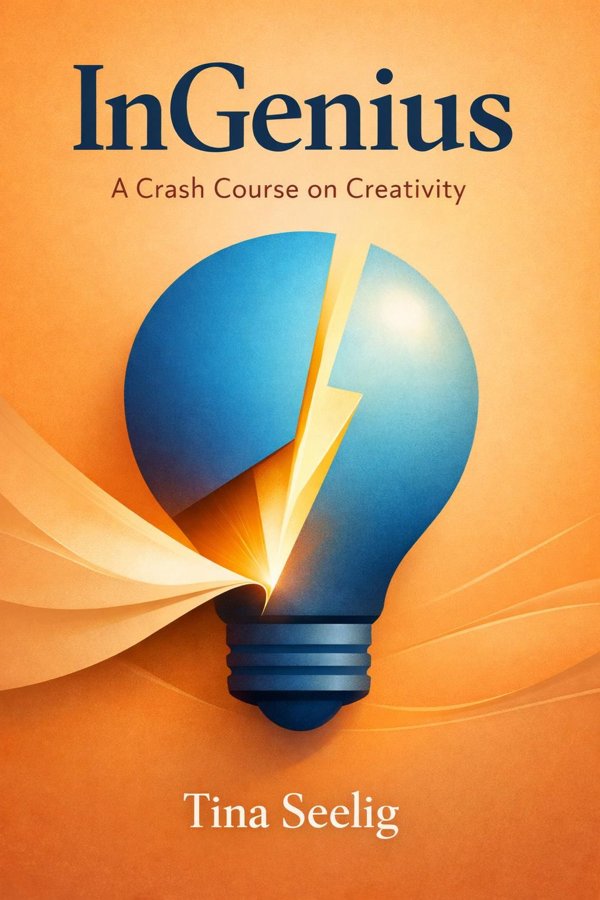
InGenius: A Crash Course on Creativity
InGenius: A Crash Course on Creativity es un libro que explora cómo las personas pueden desarrollar y potenciar su creatividad en cualquier ámbito de la vida. Tina Seelig, profesora en la Universidad ...

What I Wish I Knew When I Was 20: A Crash Course on Making Your Place in the World
What if the most valuable lessons for building a meaningful career were not about getting perfect grades, choosing the “right” path, or avoiding mistakes, but about learning to see opportunities where...
Key Insights from Tina Seelig
The Innovation Engine
The heart of creativity lies in what I call the Innovation Engine—a dynamic model that captures six interconnected factors driving creative outcomes. Three of these elements are internal: knowledge, imagination, and attitude. The other three are external: resources, habitat, and culture. Together, t...
From InGenius: A Crash Course on Creativity
Knowledge as the Foundation
Every creative act begins with something known. This truth may sound paradoxical since creativity is so often associated with the new, but originality rarely emerges from emptiness; it rises from well-stocked minds. In teaching innovation, I emphasize that diverse experiences and broad knowledge act...
From InGenius: A Crash Course on Creativity
Problems Are Hidden Business Opportunities
Most people waste energy trying to avoid problems, but Tina Seelig shows that problems are often the clearest signs of unmet needs. In one of her best-known classroom exercises, she gives student teams five dollars and two hours to make as much money as possible. The teams that do best are rarely th...
From What I Wish I Knew When I Was 20: A Crash Course on Making Your Place in the World
Failure Becomes Useful When Reframed
One of the most limiting myths about success is that accomplished people somehow avoid failure. Seelig argues the opposite: innovative people expect setbacks, extract lessons from them, and keep moving. Failure is not proof that you are incapable. More often, it is evidence that you are attempting s...
From What I Wish I Knew When I Was 20: A Crash Course on Making Your Place in the World
Smart Risks Create Asymmetric Rewards
A safe life can feel responsible, but Seelig reminds readers that avoiding all risk is often the riskiest strategy of all. In a changing world, standing still can mean missed learning, missed relationships, and missed opportunities. The goal is not reckless behavior. It is taking smart risks where t...
From What I Wish I Knew When I Was 20: A Crash Course on Making Your Place in the World
Observation Is a Competitive Advantage
Many breakthrough ideas do not begin with genius inspiration. They begin with careful observation. Seelig argues that people who pay close attention to how things work, where people struggle, and what others overlook develop an enormous edge. Observation is not passive. It is an active discipline of...
From What I Wish I Knew When I Was 20: A Crash Course on Making Your Place in the World
About Tina Seelig
Tina Seelig is a professor of the practice in the Department of Management Science and Engineering at Stanford University and a faculty director at the Stanford Technology Ventures Program. She is known for her work on creativity, innovation, and entrepreneurship, and has authored several books on t...
Read more
Tina Seelig is a professor of the practice in the Department of Management Science and Engineering at Stanford University and a faculty director at the Stanford Technology Ventures Program. She is known for her work on creativity, innovation, and entrepreneurship, and has authored several books on t...
Tina Seelig is a professor of the practice in the Department of Management Science and Engineering at Stanford University and a faculty director at the Stanford Technology Ventures Program. She is known for her work on creativity, innovation, and entrepreneurship, and has authored several books on these subjects.

Frequently Asked Questions
Tina Seelig is a professor of the practice in the Department of Management Science and Engineering at Stanford University and a faculty director at the Stanford Technology Ventures Program. She is known for her work on creativity, innovation, and entrepreneurship, and has authored several books on these subjects.
Read Tina Seelig's books in 15 minutes
Get AI-powered summaries with key insights from 2 books by Tina Seelig.