
Thomas E. Ricks Books
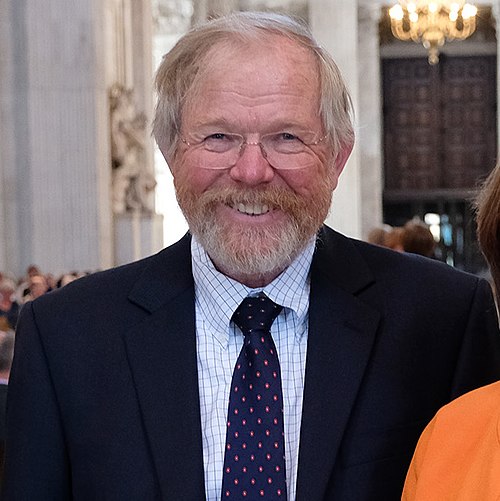
Thomas E. Ricks es un periodista y autor estadounidense, conocido por sus obras sobre historia militar y política.
Known for: First Principles: What America's Founders Learned from the Greeks and Romans and How That Shaped Our Country
Books by Thomas E. Ricks
First Principles: What America's Founders Learned from the Greeks and Romans and How That Shaped Our Country
Thomas E. Ricks’s First Principles is not just a history of the American founding; it is a study of the intellectual habits that made the founding possible. Ricks argues that many of the United States’ central political ideas did not appear out of nowhere in the eighteenth century. They were shaped by the founders’ deep engagement with classical Greece and Rome, especially the writings of historians, philosophers, playwrights, and statesmen who wrestled with democracy, virtue, ambition, corruption, and civic duty. By tracing how figures like George Washington, John Adams, Thomas Jefferson, and James Madison absorbed and adapted classical lessons, the book shows that the Constitution emerged from a long conversation about how free societies survive. The book matters because it challenges modern assumptions that the founders were driven only by Enlightenment theory or immediate colonial grievances. Ricks restores the classical dimension of their thinking and reveals how seriously they took the dangers of faction, demagoguery, and moral decay. As a Pulitzer Prize-winning journalist and military historian known for clear, incisive analysis, Ricks brings both narrative skill and intellectual range to this subject, making a complex history vivid, relevant, and urgently contemporary.
Read SummaryKey Insights from Thomas E. Ricks
The Founders Were Classical Readers
A revolution can begin with books long before it begins with muskets. One of Thomas E. Ricks’s most important arguments is that America’s founders were not merely practical politicians reacting to British policy; they were steeped in the literature and political thought of ancient Greece and Rome. T...
From First Principles: What America's Founders Learned from the Greeks and Romans and How That Shaped Our Country
Republics Depend on Civic Virtue
Free institutions cannot survive if the people inside them lose self-command. A central lesson in First Principles is that the founders drew from Greek and Roman thought the conviction that republics require civic virtue. In classical political thought, liberty was never just freedom from restraint....
From First Principles: What America's Founders Learned from the Greeks and Romans and How That Shaped Our Country
History Offers Warnings, Not Scripts
The past does not give us exact answers, but it does sharpen our sense of danger. Ricks shows that the founders approached Greece and Rome less as museums of admiration and more as laboratories of political experience. They looked to classical history not for ready-made formulas, but for patterns: h...
From First Principles: What America's Founders Learned from the Greeks and Romans and How That Shaped Our Country
Mixed Government Guards Against Extremes
No single center of power stays wise for long. One of the most enduring classical ideas the founders inherited was the value of mixed government: a constitutional order that blends elements of democracy, aristocracy, and executive energy so that each checks the excesses of the others. Ricks shows th...
From First Principles: What America's Founders Learned from the Greeks and Romans and How That Shaped Our Country
Ambition Must Be Channeled, Not Denied
Good political design begins by assuming that talented people will want power. Ricks highlights how the founders, following classical examples, did not imagine they could eliminate ambition from public life. Instead, they tried to understand it, respect its force, and channel it toward constructive ...
From First Principles: What America's Founders Learned from the Greeks and Romans and How That Shaped Our Country
Education Shapes the Fate of Democracy
A republic inherits its future through what it teaches the young. One of the strongest undercurrents in First Principles is the role of education in forming citizens capable of sustaining freedom. The founders’ classical education did more than fill their minds with references. It trained them to co...
From First Principles: What America's Founders Learned from the Greeks and Romans and How That Shaped Our Country
About Thomas E. Ricks
Thomas E. Ricks es un periodista y autor estadounidense, conocido por sus obras sobre historia militar y política. Ha sido corresponsal de The Washington Post y The Wall Street Journal, y ha ganado dos premios Pulitzer por su cobertura de conflictos bélicos.


Frequently Asked Questions
Thomas E. Ricks es un periodista y autor estadounidense, conocido por sus obras sobre historia militar y política.
Read Thomas E. Ricks's books in 15 minutes
Get AI-powered summaries with key insights from 1 book by Thomas E. Ricks.