

Suzanne Collins Books
Suzanne Collins is an American author and television writer best known for The Hunger Games trilogy and The Underland Chronicles. Her works often explore themes of war, survival, and moral choice, and have been translated into dozens of languages worldwide.
Known for: The Hunger Games
Books by Suzanne Collins
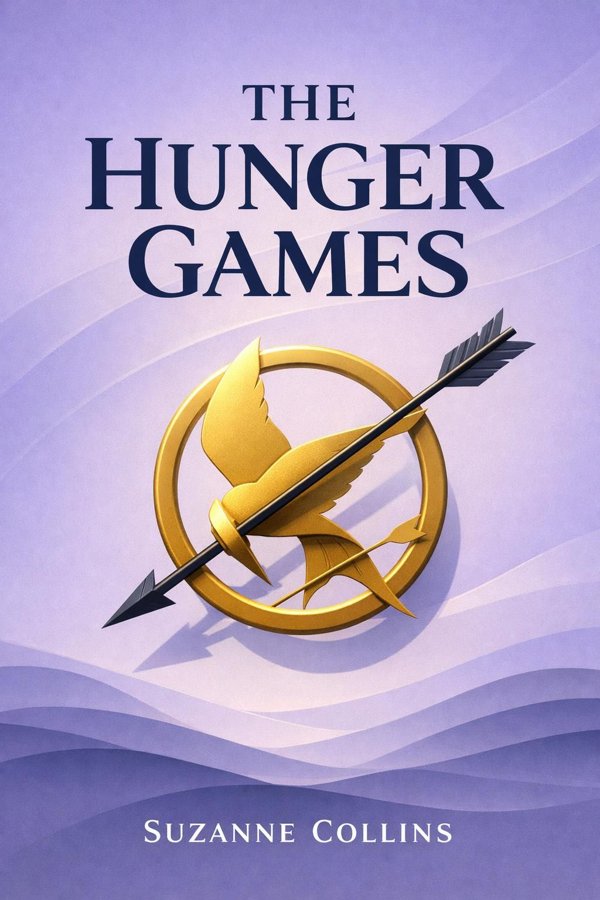
The Hunger Games
The Hunger Games is a gripping dystopian novel that turns survival into spectacle and asks what happens when power feeds on fear. Set in the nation of Panem, the story follows sixteen-year-old Katniss Everdeen, a girl from impoverished District 12 who volunteers to take her younger sister’s place in the annual Hunger Games, a televised event in which children are forced to kill one another for the Capitol’s entertainment. What begins as a fight to stay alive becomes a moral and political awakening, as Katniss discovers that even small acts of compassion can challenge a brutal system. The novel matters because it blends fast-paced storytelling with sharp insight into inequality, propaganda, media manipulation, trauma, and resistance. Suzanne Collins brings unusual authority to these themes through her background as a television writer and her deep interest in war, myth, and the psychology of survival. The result is a book that feels both cinematic and unsettlingly plausible: an unforgettable story about how oppressive systems endure, and how ordinary people begin to push back.
Read SummaryKey Insights from Suzanne Collins
Panem and the Capitol’s Grip
Oppression works best when it feels inevitable. That is the first truth The Hunger Games reveals through Panem, a nation built from the ruins of North America after war, environmental collapse, and social breakdown. The Capitol presents itself as civilization restored, yet its order depends on explo...
From The Hunger Games
Katniss in District 12
Survival can sharpen a person, but it can also isolate them. Before Katniss ever enters the arena, her life in District 12 defines the traits that will sustain and burden her. After her father’s death in a mining explosion and her mother’s emotional collapse, Katniss becomes the provider for her fam...
From The Hunger Games
The Reaping and Sacrificial Love
The most radical act in a cruel system may begin as a private act of love. The Reaping, where one boy and one girl from each district are selected for the Hunger Games, is designed to turn families against fate and remind communities of their helplessness. Katniss’s decision to volunteer for her you...
From The Hunger Games
Capitol Spectacle and Manufactured Reality
Power does not only control people by force; it controls them by controlling the story. When Katniss and Peeta leave District 12 for the Capitol, they enter a world of excess, beauty, and calculated image-making. Stylists shape their appearance, interviewers shape public perception, and mentors teac...
From The Hunger Games
Training, Scores, and Hidden Strength
Institutions often rank people as if numbers reveal their worth. In the training center, tributes are evaluated, displayed, and scored, turning children into measurable assets in a televised contest. The system appears fair on the surface: everyone trains, everyone is judged, and everyone receives a...
From The Hunger Games
Peeta, Performance, and the Power of Story
People rarely respond to facts alone; they respond to meaning. Peeta’s televised confession that he has long loved Katniss changes the dynamics of the Games because it gives the audience a story they want to follow. Suddenly, Katniss is no longer just a tribute from District 12. She becomes one half...
From The Hunger Games
About Suzanne Collins
Suzanne Collins is an American author and television writer best known for The Hunger Games trilogy and The Underland Chronicles. Her works often explore themes of war, survival, and moral choice, and have been translated into dozens of languages worldwide.






Frequently Asked Questions
Suzanne Collins is an American author and television writer best known for The Hunger Games trilogy and The Underland Chronicles. Her works often explore themes of war, survival, and moral choice, and have been translated into dozens of languages worldwide.
Read Suzanne Collins's books in 15 minutes
Get AI-powered summaries with key insights from 1 book by Suzanne Collins.