
Ramachandra Guha Books
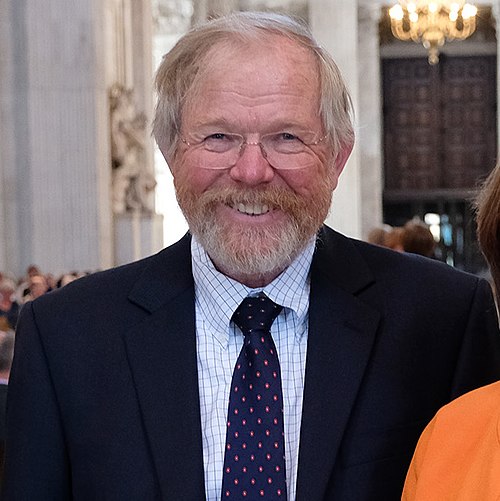
Ramachandra Guha is an Indian historian, writer, and public intellectual known for his works on environmentalism, cricket, and modern Indian history. Educated at the University of Delhi and the Indian Institute of Management Calcutta, he has taught at several universities worldwide and is recognized for his accessible yet scholarly approach to history.
Known for: India After Gandhi: The History of the World's Largest Democracy
Books by Ramachandra Guha
India After Gandhi: The History of the World's Largest Democracy
Ramachandra Guha’s India After Gandhi is a sweeping, deeply researched account of India’s journey from the trauma of Partition in 1947 to its evolution as the world’s largest democracy. Rather than treating independence as the triumphant end of a colonial story, Guha begins where many histories stop: with the staggering political, social, linguistic, economic, and moral challenges of actually building a nation. The book explores how India survived civil conflict, regional separatism, poverty, institutional fragility, and fierce political contestation without abandoning democratic rule. What makes this work so important is its refusal to reduce India to a single narrative. Guha shows India as noisy, contradictory, improvised, and resilient, shaped by political leaders, social movements, bureaucrats, artists, rebels, and ordinary citizens. He combines archival depth with narrative skill, making complex events readable without oversimplifying them. As one of India’s foremost historians and public intellectuals, Guha brings both scholarly authority and interpretive balance to the story. This is not only a history of modern India; it is a powerful study of how democracy survives under immense pressure, and why that survival matters far beyond India itself.
Read SummaryKey Insights from Ramachandra Guha
Nationhood Had to Be Built
A country does not become a nation simply by declaring independence. One of Guha’s central insights is that India in 1947 inherited not a stable national community, but a fractured landscape marked by Partition violence, mass displacement, princely states, weak institutions, and enormous cultural di...
From India After Gandhi: The History of the World's Largest Democracy
Democracy Survived Against All Expectations
The most astonishing fact about modern India is not that it became independent, but that it remained democratic. Guha emphasizes how unlikely this was. At independence, India was poor, largely illiterate, socially hierarchical, and regionally fragmented. Many observers assumed parliamentary democrac...
From India After Gandhi: The History of the World's Largest Democracy
Diversity Was Managed, Not Erased
India’s unity did not come from cultural uniformity; it came from learning how to live with difference in public. Guha argues that one of the republic’s most significant achievements was recognizing linguistic, regional, religious, and caste diversity rather than trying to suppress it entirely. This...
From India After Gandhi: The History of the World's Largest Democracy
Power Centers Constantly Reshaped India
History is often taught as a sequence of prime ministers, but Guha’s account reveals a more dynamic truth: modern India was shaped by shifting contests between institutions, parties, regions, movements, and personalities. The central government mattered enormously, yet it never possessed uncontested...
From India After Gandhi: The History of the World's Largest Democracy
The Emergency Tested Democratic Limits
Nothing reveals the strength of a democracy more clearly than a moment when democracy is suspended. Guha treats the Emergency of 1975–77 as one of the most consequential episodes in independent India. Faced with political unrest, legal challenges, and declining legitimacy, Prime Minister Indira Gand...
From India After Gandhi: The History of the World's Largest Democracy
Social Change Came From Below
Political history can exaggerate the role of elites, but Guha repeatedly shows that India changed because ordinary people, marginalized communities, and organized movements pushed the republic to live up to its own promises. Elections mattered, but so did protests, caste mobilization, labor struggle...
From India After Gandhi: The History of the World's Largest Democracy
About Ramachandra Guha
Ramachandra Guha is an Indian historian, writer, and public intellectual known for his works on environmentalism, cricket, and modern Indian history. Educated at the University of Delhi and the Indian Institute of Management Calcutta, he has taught at several universities worldwide and is recognized...
Read more
Ramachandra Guha is an Indian historian, writer, and public intellectual known for his works on environmentalism, cricket, and modern Indian history. Educated at the University of Delhi and the Indian Institute of Management Calcutta, he has taught at several universities worldwide and is recognized...
Ramachandra Guha is an Indian historian, writer, and public intellectual known for his works on environmentalism, cricket, and modern Indian history. Educated at the University of Delhi and the Indian Institute of Management Calcutta, he has taught at several universities worldwide and is recognized for his accessible yet scholarly approach to history.


Frequently Asked Questions
Ramachandra Guha is an Indian historian, writer, and public intellectual known for his works on environmentalism, cricket, and modern Indian history. Educated at the University of Delhi and the Indian Institute of Management Calcutta, he has taught at several universities worldwide and is recognized for his accessible yet scholarly approach to history.
Read Ramachandra Guha's books in 15 minutes
Get AI-powered summaries with key insights from 1 book by Ramachandra Guha.