
Pierre Bourdieu Books
Pierre Bourdieu (1930–2002) was a French sociologist renowned for his studies on culture, education, and symbolic power. A professor at the Collège de France, he profoundly influenced contemporary sociology through his concepts of field, habitus, and cultural capital.
Known for: The Rules of Art: Genesis and Structure of the Literary Field, Distinction: A Social Critique of the Judgement of Taste
Books by Pierre Bourdieu
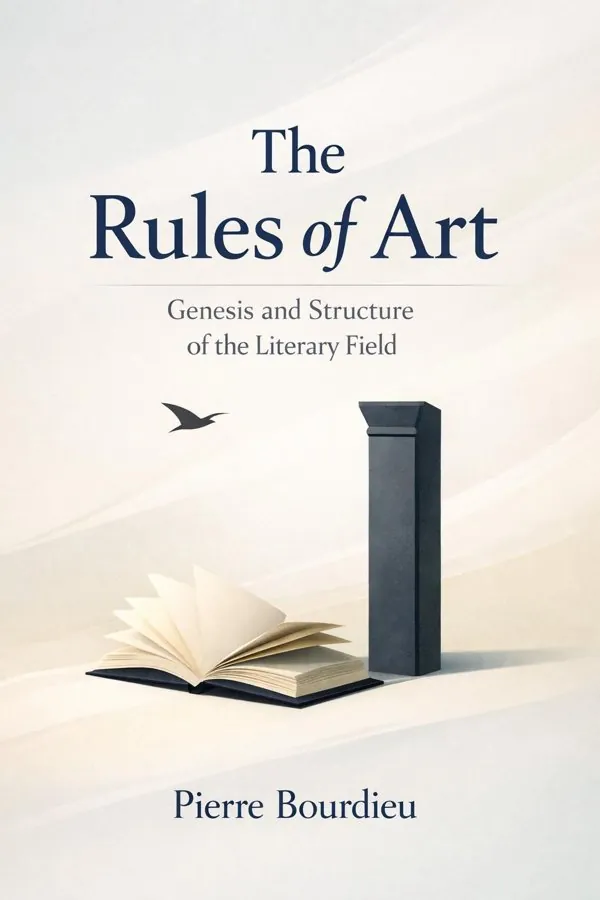
The Rules of Art: Genesis and Structure of the Literary Field
What if great literature is shaped not only by genius, but by invisible social rules? In The Rules of Art, Pierre Bourdieu argues that art does not emerge in a vacuum. Writers, publishers, critics, pa...
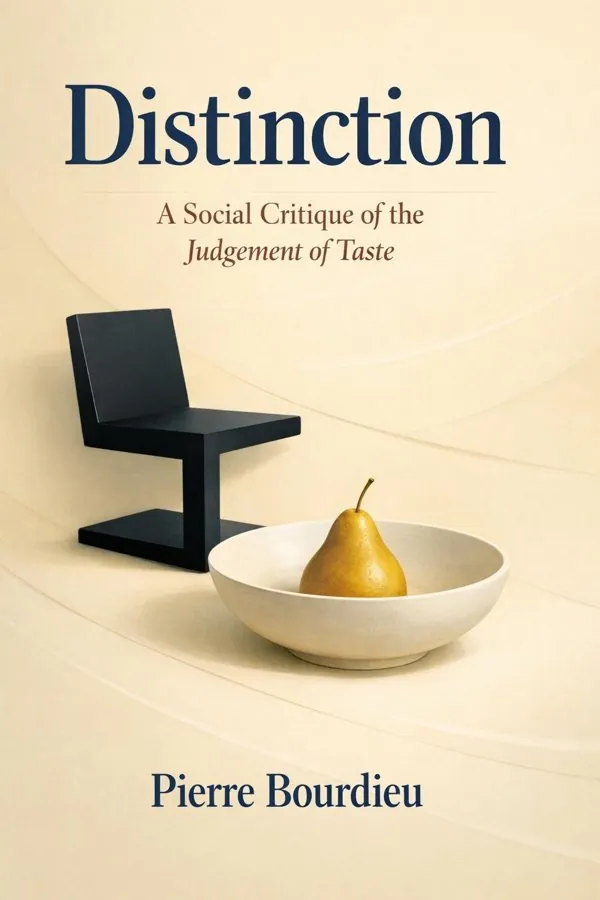
Distinction: A Social Critique of the Judgement of Taste
Originally published in French in 1979 as 'La Distinction: Critique Sociale du Jugement', this landmark work by sociologist Pierre Bourdieu explores how cultural preferences and aesthetic tastes serve...
Key Insights from Pierre Bourdieu
Art Is Made Inside a Field
A work of art is never just a private expression; it is produced inside a competitive social space. This is one of Bourdieu’s most important insights. He calls that space the literary field: a structured arena in which writers, critics, publishers, journals, academics, booksellers, and readers strug...
From The Rules of Art: Genesis and Structure of the Literary Field
Autonomy Must Be Historically Won
Artistic independence is not a natural condition; it is a social achievement won through conflict. Bourdieu shows that what we now call autonomous art emerged gradually as writers and artists fought to free themselves from direct dependence on patrons, state power, religious authority, and crude mar...
From The Rules of Art: Genesis and Structure of the Literary Field
Symbolic Capital Shapes Cultural Power
In the world of art, money is not the only currency that matters. Bourdieu argues that symbolic capital, the prestige, recognition, and legitimacy granted by others, often determines who has real power in the literary field. A writer may sell few books and still dominate cultural conversation if the...
From The Rules of Art: Genesis and Structure of the Literary Field
Flaubert Exemplifies the Autonomous Writer
Sometimes a single author can illuminate an entire social transformation. For Bourdieu, Gustave Flaubert plays that role. He treats Flaubert not just as a novelist of genius, but as a crucial figure in the emergence of the autonomous literary field. Through works like Sentimental Education and Madam...
From The Rules of Art: Genesis and Structure of the Literary Field
Taste Reflects Social Positioning
What feels like personal taste is often a social judgment shaped by education, class, and cultural training. Although this idea appears throughout Bourdieu’s work, The Rules of Art applies it specifically to literature and artistic value. Readers, critics, and institutions do not encounter works wit...
From The Rules of Art: Genesis and Structure of the Literary Field
Writers Occupy Positions and Take Stances
Authors do not simply write books; they occupy positions within a structured space and take stances in relation to others. Bourdieu calls these acts position-takings. A manifesto, a novel’s style, a public interview, a refusal of prizes, a choice of publisher, or a critical essay can all function as...
From The Rules of Art: Genesis and Structure of the Literary Field
About Pierre Bourdieu
Pierre Bourdieu (1930–2002) was a French sociologist renowned for his studies on culture, education, and symbolic power. A professor at the Collège de France, he profoundly influenced contemporary sociology through his concepts of field, habitus, and cultural capital.

Frequently Asked Questions
Pierre Bourdieu (1930–2002) was a French sociologist renowned for his studies on culture, education, and symbolic power. A professor at the Collège de France, he profoundly influenced contemporary sociology through his concepts of field, habitus, and cultural capital.
Read Pierre Bourdieu's books in 15 minutes
Get AI-powered summaries with key insights from 2 books by Pierre Bourdieu.