
Kevin Ashton Books
Kevin Ashton is a British technology pioneer best known for coining the term 'Internet of Things. ' He has worked in technology innovation and product development for major companies and is recognized for his insights into creativity and invention.
Known for: How to Fly a Horse: The Secret History of Creation, Invention, and Discovery
Books by Kevin Ashton
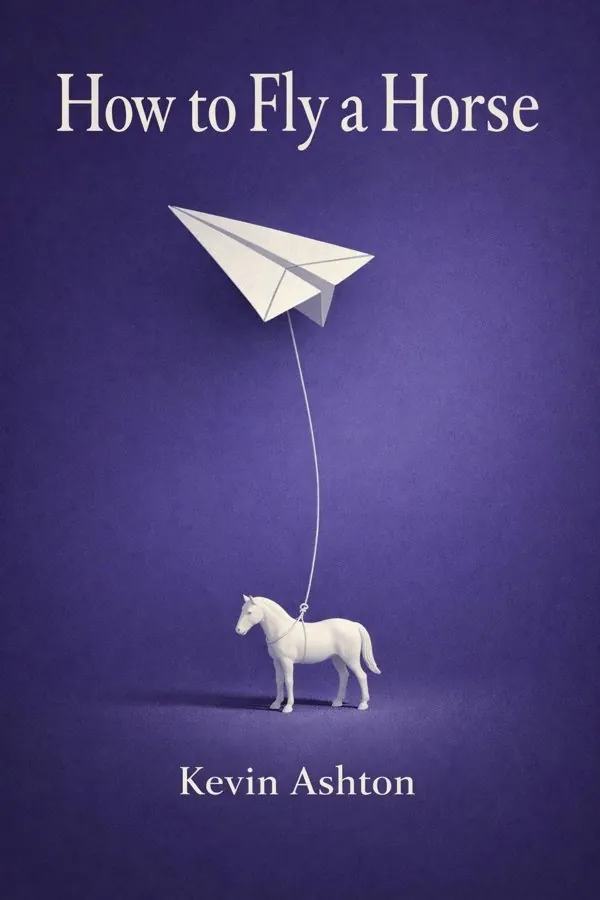
How to Fly a Horse: The Secret History of Creation, Invention, and Discovery
How do new ideas actually come into the world? In How to Fly a Horse, Kevin Ashton challenges one of our most comforting myths: that creativity belongs to rare geniuses touched by inspiration. Instead, he argues that creation is ordinary, human, and built through effort, persistence, and trial and error. Drawing on stories from inventors, scientists, artists, entrepreneurs, and explorers, Ashton shows that breakthroughs usually emerge not from lightning bolts of brilliance but from hard work, collaboration, mistakes, and repeated experimentation. The book matters because the myth of genius can be paralyzing. If we believe innovation is reserved for exceptional people, most of us will never seriously attempt to create. Ashton dismantles that belief and replaces it with a more empowering truth: creativity is a process available to anyone willing to observe closely, work consistently, and keep going despite uncertainty. As a technology pioneer best known for coining the term “Internet of Things,” Ashton brings both practical experience and a deep interest in how invention really happens. The result is an engaging, myth-busting exploration of creativity that makes innovation feel less mysterious and far more achievable.
Read SummaryKey Insights from Kevin Ashton
Creativity Is Labor, Not Magic
The most dangerous myth about creativity is that great ideas appear in a flash. Ashton argues that this belief flatters genius but misleads everyone else. In reality, most meaningful creation comes from work: patient observation, repeated attempts, revisions, and persistence through failure. Inspira...
From How to Fly a Horse: The Secret History of Creation, Invention, and Discovery
The Myth of the Lone Genius
We love stories about solitary masterminds, but Ashton shows that invention is rarely a solo act. Even when one person receives the credit, creative advances usually depend on shared knowledge, prior discoveries, collaborators, competitors, critics, tools, and culture. The lone genius narrative is e...
From How to Fly a Horse: The Secret History of Creation, Invention, and Discovery
Failure Is Part of the Process
One reason people avoid creating is that they fear getting it wrong. Ashton reframes failure not as the opposite of creativity but as one of its raw materials. New things are uncertain by definition, so attempts will often miss the mark. Failure is not evidence that creation is impossible; it is evi...
From How to Fly a Horse: The Secret History of Creation, Invention, and Discovery
Ideas Come From Seeing What Others Miss
Creativity often begins not with imagination alone but with attention. Ashton emphasizes that discovery depends on noticing details, contradictions, needs, and patterns that other people overlook. The world constantly offers clues, but only attentive minds turn those clues into ideas. This is a pow...
From How to Fly a Horse: The Secret History of Creation, Invention, and Discovery
Persistence Beats Early Talent
Natural ability may help, but Ashton argues that persistence is usually more decisive than raw talent. Many people begin with promise; far fewer continue long enough to produce something meaningful. The creators we remember are often not the ones who started best, but the ones who stayed with the pr...
From How to Fly a Horse: The Secret History of Creation, Invention, and Discovery
Imagination Needs Constraints to Work
People often assume creativity requires total freedom, but Ashton shows that limits can actually sharpen invention. Constraints force choices, expose priorities, and push creators to use available resources more intelligently. Boundaries do not always restrict creativity; they often give it form. C...
From How to Fly a Horse: The Secret History of Creation, Invention, and Discovery
About Kevin Ashton
Kevin Ashton is a British technology pioneer best known for coining the term 'Internet of Things.' He has worked in technology innovation and product development for major companies and is recognized for his insights into creativity and invention.


Frequently Asked Questions
Kevin Ashton is a British technology pioneer best known for coining the term 'Internet of Things. ' He has worked in technology innovation and product development for major companies and is recognized for his insights into creativity and invention.
Read Kevin Ashton's books in 15 minutes
Get AI-powered summaries with key insights from 1 book by Kevin Ashton.