
Jun'ichirō Tanizaki Books
Jun'ichirō Tanizaki (1886–1965) was one of Japan’s most prominent novelists, known for his exploration of aestheticism, sensuality, and the tension between traditional and modern Japanese culture. His major works include Naomi, In Praise of Shadows, and The Makioka Sisters.
Known for: The Makioka Sisters
Books by Jun'ichirō Tanizaki
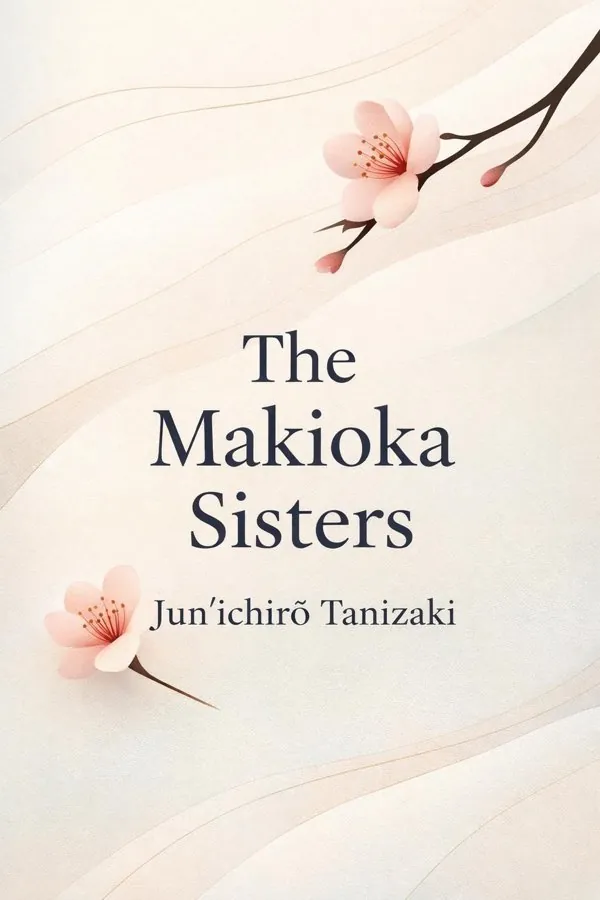
The Makioka Sisters
The Makioka Sisters is one of the great family novels of the twentieth century: intimate in scale, rich in observation, and quietly devastating in what it reveals about social change. Set in the years leading up to World War II, Jun'ichirō Tanizaki’s masterpiece follows four sisters from a once-distinguished Osaka merchant family as they negotiate marriage, reputation, money, and personal freedom. On the surface, the novel is concerned with practical matters—arranged meetings, household disputes, illnesses, seasonal visits, and the search for a suitable husband for the shy third sister, Yukiko. Beneath that surface, however, Tanizaki captures the slow fading of an entire world. Refinement, family prestige, and inherited customs still shape the sisters’ lives, but modern desires and historical pressures steadily undermine them. What makes the novel endure is its extraordinary balance of beauty and realism. Tanizaki, one of modern Japan’s most important novelists, writes with unmatched sensitivity about manners, femininity, memory, and the tension between tradition and change. The result is both a portrait of one family and an elegy for a vanishing culture.
Read SummaryKey Insights from Jun'ichirō Tanizaki
The slow decline of family prestige
A family does not collapse all at once; often, it fades through small humiliations, postponed decisions, and the quiet erosion of confidence. That is the central emotional atmosphere of The Makioka Sisters. The Makiokas still possess the signs of old status—good breeding, refined habits, respected c...
From The Makioka Sisters
Yukiko’s marriage and the burden of custom
Few things reveal a society’s values more clearly than the way it treats marriage, especially when marriage becomes a public test of family worth. In The Makioka Sisters, Yukiko’s unmarried status becomes far more than a private concern. Her prospects are tied to the family’s prestige, discipline, a...
From The Makioka Sisters
Taeko’s rebellion and modern female freedom
Modernity often enters family life not as an abstract idea but as one person who refuses to live by inherited rules. In The Makioka Sisters, that person is Taeko, the youngest sister. Unlike Yukiko, whose life is governed by restraint and family management, Taeko represents movement, experimentation...
From The Makioka Sisters
War ends more than social comfort
Historical catastrophe rarely announces itself in private life with philosophical clarity; more often, it arrives as disruption, fatigue, shortages, relocations, illness, and the collapse of ordinary assumptions. In The Makioka Sisters, war is not treated primarily as battlefield spectacle. Instead,...
From The Makioka Sisters
Everyday rituals preserve fragile meaning
One of the most powerful truths in The Makioka Sisters is that daily rituals matter most when the larger world becomes unstable. The novel is filled with seasonal outings, meals, visits, clothing choices, festivals, weather observations, and family conversations that might seem minor in a plot summa...
From The Makioka Sisters
Women carry the weight of reputation
Societies that speak proudly of honor often place its heaviest burden on women. The Makioka Sisters makes this painfully clear. The sisters are expected to embody refinement, restraint, loyalty, and social correctness, while the family’s prestige is repeatedly measured through their conduct. Marriag...
From The Makioka Sisters
About Jun'ichirō Tanizaki
Jun'ichirō Tanizaki (1886–1965) was one of Japan’s most prominent novelists, known for his exploration of aestheticism, sensuality, and the tension between traditional and modern Japanese culture. His major works include Naomi, In Praise of Shadows, and The Makioka Sisters.





Frequently Asked Questions
Jun'ichirō Tanizaki (1886–1965) was one of Japan’s most prominent novelists, known for his exploration of aestheticism, sensuality, and the tension between traditional and modern Japanese culture. His major works include Naomi, In Praise of Shadows, and The Makioka Sisters.
Read Jun'ichirō Tanizaki's books in 15 minutes
Get AI-powered summaries with key insights from 1 book by Jun'ichirō Tanizaki.