
John McWhorter Books
John McWhorter is an American linguist, author, and professor at Columbia University. He specializes in language change, creole languages, and sociolinguistics, and is known for his accessible writing and commentary on language and culture.
Known for: Nine Nasty Words: English in the Gutter: Then, Now, and Forever, Words on the Move: Why English Won't—and Can't—Sit Still (Like, Literally)
Books by John McWhorter
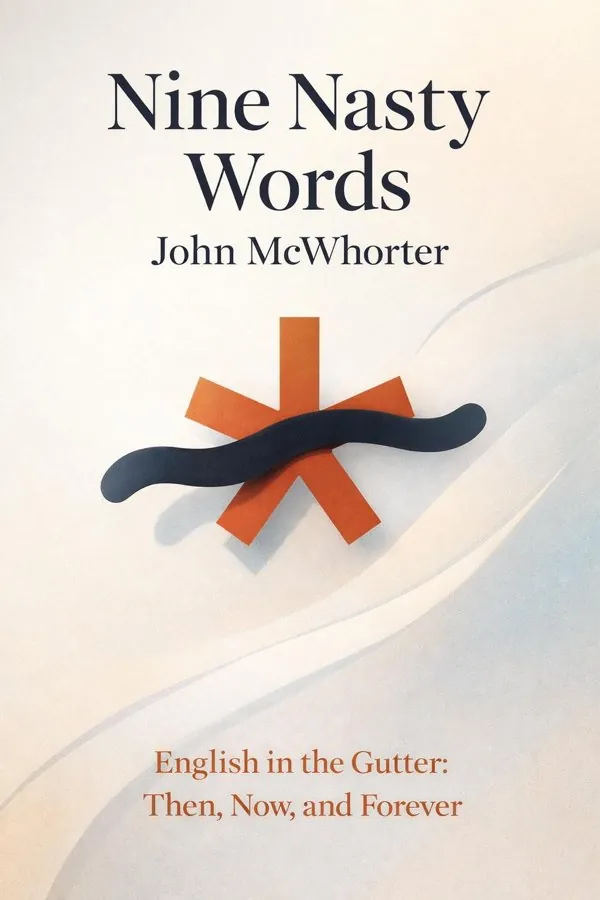
Nine Nasty Words: English in the Gutter: Then, Now, and Forever
John McWhorter’s Nine Nasty Words is a smart, funny, and surprisingly revealing history of profanity in English. Rather than treating swear words as linguistic trash, McWhorter argues that they offer ...
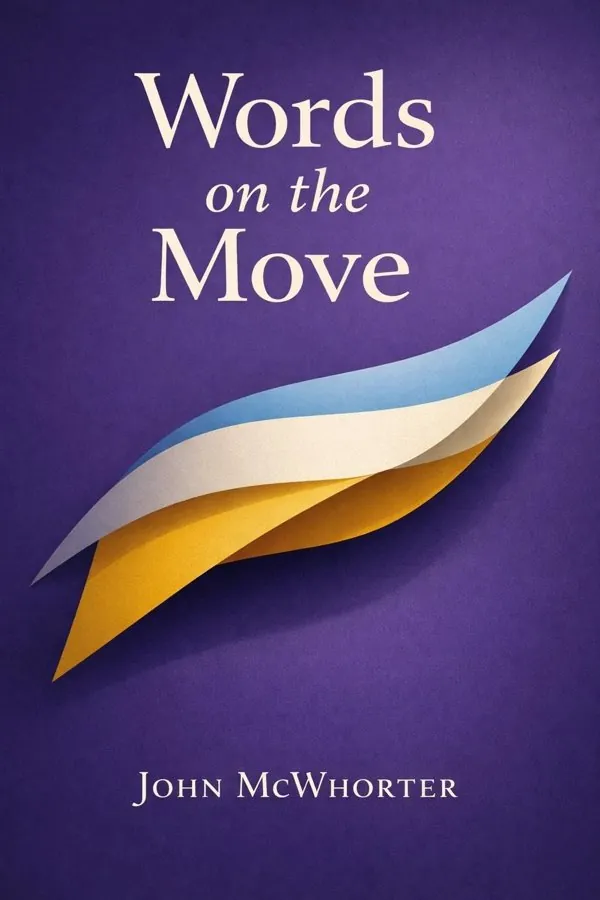
Words on the Move: Why English Won't—and Can't—Sit Still (Like, Literally)
In this lively exploration of language change, linguist John McWhorter explains how English words constantly evolve in meaning, pronunciation, and usage. He argues that linguistic shifts are natural a...
Key Insights from John McWhorter
Profanity reveals what a culture fears
A society’s most forbidden words often point directly to its deepest anxieties. That is one of John McWhorter’s central insights: profanity is not random verbal dirt, but a cultural map of taboo. To understand why some words shock while others merely sound rude, we have to ask what a particular comm...
From Nine Nasty Words: English in the Gutter: Then, Now, and Forever
Blasphemy was once the ultimate offense
Before modern English speakers fixated on sexual and bodily words, profanity was deeply tied to religion. In medieval and early modern societies, invoking God carelessly, cursing in God’s name, or swearing false oaths carried immense weight. Speech was not just expression; it could be morally danger...
From Nine Nasty Words: English in the Gutter: Then, Now, and Forever
Sex and the body replaced religion
When religious taboo lost some of its force, English profanity did not become gentler; it simply found new territory. McWhorter shows how sex, excretion, and the body became the center of modern swearing. Words for intercourse, body parts, and bodily functions acquired extraordinary expressive power...
From Nine Nasty Words: English in the Gutter: Then, Now, and Forever
Gender shapes which insults carry force
Profanity does not float above social hierarchy; it is shaped by it. McWhorter shows that many of the harshest English insults reflect long histories of gender inequality. Terms aimed at women often police sexuality, desirability, respectability, or obedience. They carry force not only because they ...
From Nine Nasty Words: English in the Gutter: Then, Now, and Forever
Slurs are different from ordinary swearing
Not all offensive words belong in the same category, and one of McWhorter’s most important contributions is clarifying that slurs are not just stronger swear words. They function differently. A typical swear word may express anger, surprise, pain, or emphasis. A slur, by contrast, targets a group id...
From Nine Nasty Words: English in the Gutter: Then, Now, and Forever
Swearing is an emotional survival tool
Profanity persists because it does useful work. McWhorter emphasizes that swearing is not merely verbal laziness or social decay; it is one of the most efficient tools humans have for releasing tension, signaling intensity, and managing pain. People swear when they are startled, injured, overwhelmed...
From Nine Nasty Words: English in the Gutter: Then, Now, and Forever
About John McWhorter
John McWhorter is an American linguist, author, and professor at Columbia University. He specializes in language change, creole languages, and sociolinguistics, and is known for his accessible writing and commentary on language and culture.
Similar Authors

Frequently Asked Questions
John McWhorter is an American linguist, author, and professor at Columbia University. He specializes in language change, creole languages, and sociolinguistics, and is known for his accessible writing and commentary on language and culture.
Read John McWhorter's books in 15 minutes
Get AI-powered summaries with key insights from 2 books by John McWhorter.