
Jessica Nordell Books
Jessica Nordell is an American writer and journalist whose work focuses on science, gender, and social change. She has written for publications such as The New York Times and The Atlantic, and her research and reporting center on the intersection of bias and behavior.
Known for: The End of Bias: A Beginning: The Science and Practice of Overcoming Unconscious Bias
Books by Jessica Nordell
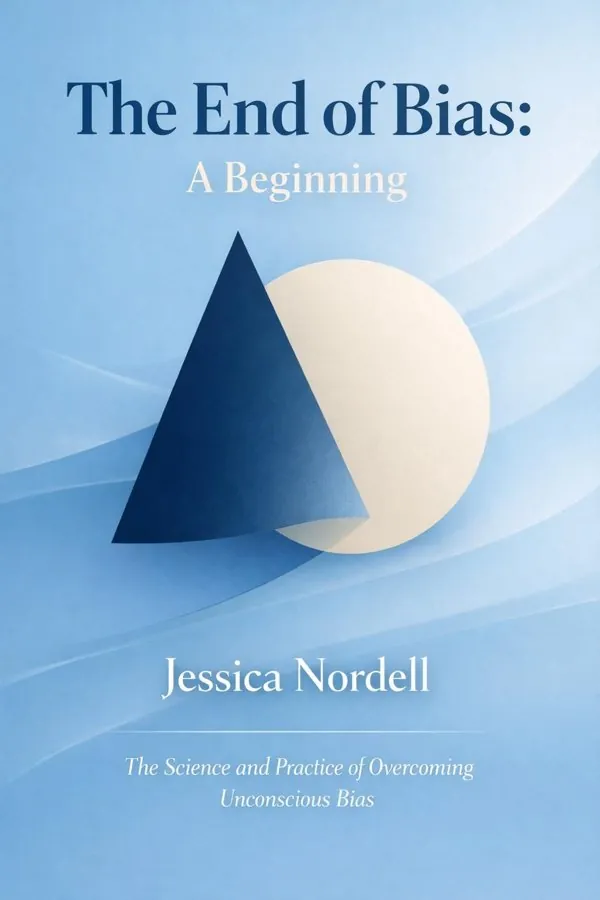
The End of Bias: A Beginning: The Science and Practice of Overcoming Unconscious Bias
Jessica Nordell’s The End of Bias is a deeply researched, urgently relevant exploration of how unconscious bias shapes everyday life—and how it can be changed. Drawing from neuroscience, psychology, education, medicine, criminal justice, and organizational research, Nordell shows that bias is not merely a matter of bad intentions or explicit prejudice. It is often embedded in habits of perception, institutional routines, and social environments that quietly reproduce inequality even among people who believe themselves to be fair. What makes this book especially valuable is its refusal to settle for diagnosis alone. Nordell investigates real-world efforts to reduce bias in schools, hospitals, police departments, and workplaces, asking a practical question: what actually works? As a journalist focused on science, gender, and social change, she brings together rigorous evidence with vivid storytelling, making complex research accessible and human. The result is both unsettling and hopeful. This is a book for readers who want to understand why inequity persists despite good intentions—and for anyone looking for concrete, evidence-based ways to build fairer systems.
Read SummaryKey Insights from Jessica Nordell
Bias Has a Long Hidden History
One of the book’s most powerful insights is that bias did not suddenly appear when researchers gave it a name; what changed was our ability to see it. For much of modern history, prejudice was treated as a conscious moral failing, something openly expressed and intentionally chosen. That view captur...
From The End of Bias: A Beginning: The Science and Practice of Overcoming Unconscious Bias
The Brain Learns Shortcuts That Mislead
A troubling truth sits at the heart of Nordell’s argument: the human brain is designed to categorize quickly, and that efficiency can become a liability. Neuroscience and cognitive psychology show that perception is not neutral recording. The brain constantly sorts people and situations into familia...
From The End of Bias: A Beginning: The Science and Practice of Overcoming Unconscious Bias
Schools Can Either Reinforce Or Interrupt Bias
A classroom is never only a place of learning; it is also a place where expectations are assigned. Nordell shows how bias in education often operates through subtle differences in attention, discipline, interpretation, and belief. Teachers may unconsciously perceive some students as gifted, disrupti...
From The End of Bias: A Beginning: The Science and Practice of Overcoming Unconscious Bias
Medical Bias Shapes Life And Death
Few areas reveal the consequences of bias more starkly than healthcare. Nordell shows that unequal treatment in medicine is not limited to overt discrimination; it often emerges through assumptions about pain tolerance, compliance, intelligence, credibility, and risk. These assumptions affect diagno...
From The End of Bias: A Beginning: The Science and Practice of Overcoming Unconscious Bias
Policing Magnifies Perception Under Pressure
Bias becomes especially dangerous in settings where decisions are fast, high-stakes, and backed by force. Nordell’s discussion of policing and criminal justice shows how unconscious associations can shape whom officers view as suspicious, threatening, defiant, or deserving of leniency. These judgmen...
From The End of Bias: A Beginning: The Science and Practice of Overcoming Unconscious Bias
Workplaces Reward Familiarity As Merit
Modern organizations often speak the language of merit, but Nordell shows how easily merit can be confused with comfort, similarity, and stereotype. In hiring, promotion, evaluation, and daily collaboration, people tend to favor those who feel familiar, communicate in expected ways, or match inherit...
From The End of Bias: A Beginning: The Science and Practice of Overcoming Unconscious Bias
About Jessica Nordell
Jessica Nordell is an American writer and journalist whose work focuses on science, gender, and social change. She has written for publications such as The New York Times and The Atlantic, and her research and reporting center on the intersection of bias and behavior.

Frequently Asked Questions
Jessica Nordell is an American writer and journalist whose work focuses on science, gender, and social change. She has written for publications such as The New York Times and The Atlantic, and her research and reporting center on the intersection of bias and behavior.
Read Jessica Nordell's books in 15 minutes
Get AI-powered summaries with key insights from 1 book by Jessica Nordell.