
Jack P. Shonkoff, Deborah A. Phillips (Editors) Books
Jack P. Shonkoff, M.
Known for: From Neurons to Neighborhoods: The Science of Early Childhood Development
Books by Jack P. Shonkoff, Deborah A. Phillips (Editors)
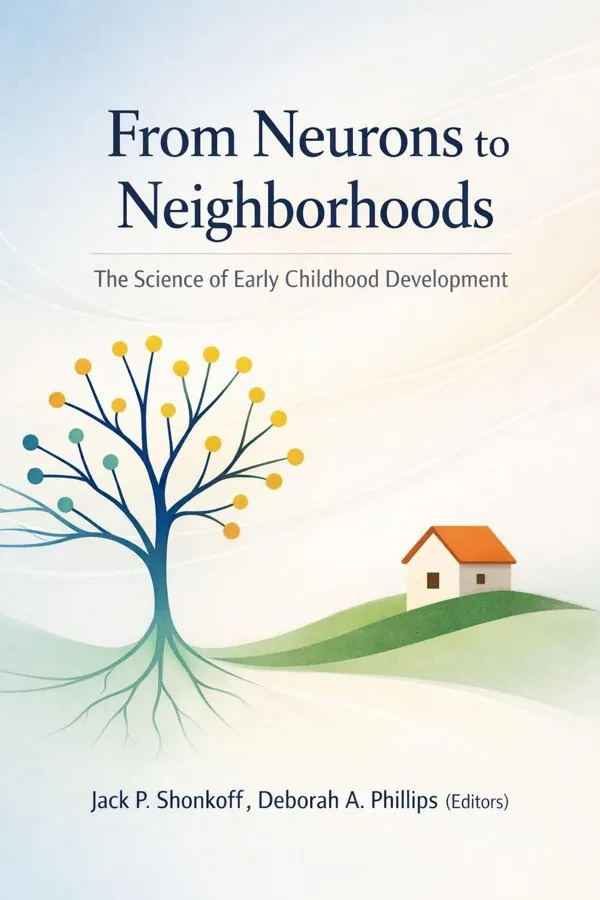
From Neurons to Neighborhoods: The Science of Early Childhood Development
From Neurons to Neighborhoods is one of the most influential works ever published on early childhood development because it unites biology, psychology, education, public health, and social policy into a single, evidence-based framework. Edited by pediatrician Jack P. Shonkoff and developmental psychologist Deborah A. Phillips under the auspices of the U.S. National Research Council and Institute of Medicine, the book asks a profound question: how do the earliest years of life shape everything that comes after? Its answer is both scientifically rigorous and socially urgent. The report shows that development begins before birth, unfolds rapidly in the first years, and is deeply affected by relationships, nutrition, safety, stress, and the broader communities in which children grow. Brain architecture is not fixed at birth; it is built through ongoing interaction between genes and experience. That makes early childhood a period of enormous opportunity, but also of real vulnerability. For parents, educators, clinicians, and policymakers, this book matters because it translates complex science into a clear message: if society wants healthier, more capable, and more resilient adults, it must invest seriously in the environments where young children live and learn.
Read SummaryKey Insights from Jack P. Shonkoff, Deborah A. Phillips (Editors)
Experience Builds the Developing Brain
The most important discovery in modern child development is that experience does not merely influence the child’s mind metaphorically; it helps construct the brain physically. Early neural connections are formed at astonishing speed, and whether those connections are strengthened, weakened, or prune...
From From Neurons to Neighborhoods: The Science of Early Childhood Development
Children Develop Through Active Relationships
A child is not a passive recipient of care but an active participant in development, constantly learning through relationships. One of the report’s central themes is that young children grow cognitively, socially, and emotionally through reciprocal engagement with adults and peers. Development happe...
From From Neurons to Neighborhoods: The Science of Early Childhood Development
Families Shape Developmental Opportunity
If early development is built through experience, then the family is the child’s first and most influential developmental environment. The report makes clear that families do far more than provide food and shelter. They organize daily life, regulate exposure to stress, transmit language and culture,...
From From Neurons to Neighborhoods: The Science of Early Childhood Development
Neighborhoods Influence Life Chances Early
A child’s future is shaped not only in the nursery but also on the block, in the clinic, at the playground, and across the broader social systems that surround family life. One of the book’s most powerful contributions is expanding the frame from neurons to neighborhoods, showing that community cond...
From From Neurons to Neighborhoods: The Science of Early Childhood Development
Health and Nutrition Begin Developmental Equity
Long before formal schooling starts, health and nutrition are already shaping learning, behavior, and resilience. The report stresses that physical well-being is not separate from cognitive or emotional development; it is one of its foundations. Prenatal care, maternal health, safe birth conditions,...
From From Neurons to Neighborhoods: The Science of Early Childhood Development
Stress Can Help or Harm
Not all stress is bad, but unbuffered stress in early childhood can become biologically damaging. One of the report’s most enduring insights is that stress exists on a spectrum. Brief, manageable challenges with adult support can promote adaptation and coping. However, chronic or extreme stress with...
From From Neurons to Neighborhoods: The Science of Early Childhood Development
About Jack P. Shonkoff, Deborah A. Phillips (Editors)
Jack P. Shonkoff, M.D., is a pediatrician and professor at Harvard University, known for his leadership in early childhood policy and developmental science. Deborah A. Phillips, Ph.D., is a developmental psychologist and professor at Georgetown University specializing in child development and public...
Read more
Jack P. Shonkoff, M.D., is a pediatrician and professor at Harvard University, known for his leadership in early childhood policy and developmental science. Deborah A. Phillips, Ph.D., is a developmental psychologist and professor at Georgetown University specializing in child development and public...
Jack P. Shonkoff, M.D., is a pediatrician and professor at Harvard University, known for his leadership in early childhood policy and developmental science. Deborah A. Phillips, Ph.D., is a developmental psychologist and professor at Georgetown University specializing in child development and public policy.


Frequently Asked Questions
Jack P. Shonkoff, M.
Read Jack P. Shonkoff, Deborah A. Phillips (Editors)'s books in 15 minutes
Get AI-powered summaries with key insights from 1 book by Jack P. Shonkoff, Deborah A. Phillips (Editors).