
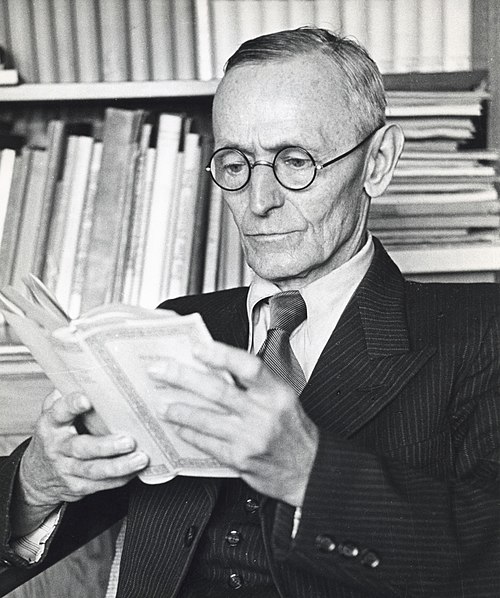
Hermann Hesse Books
Hermann Hesse (1877–1962) was a German-Swiss writer, poet, and painter. He received the Nobel Prize in Literature in 1946.
Known for: Siddhartha
Books by Hermann Hesse
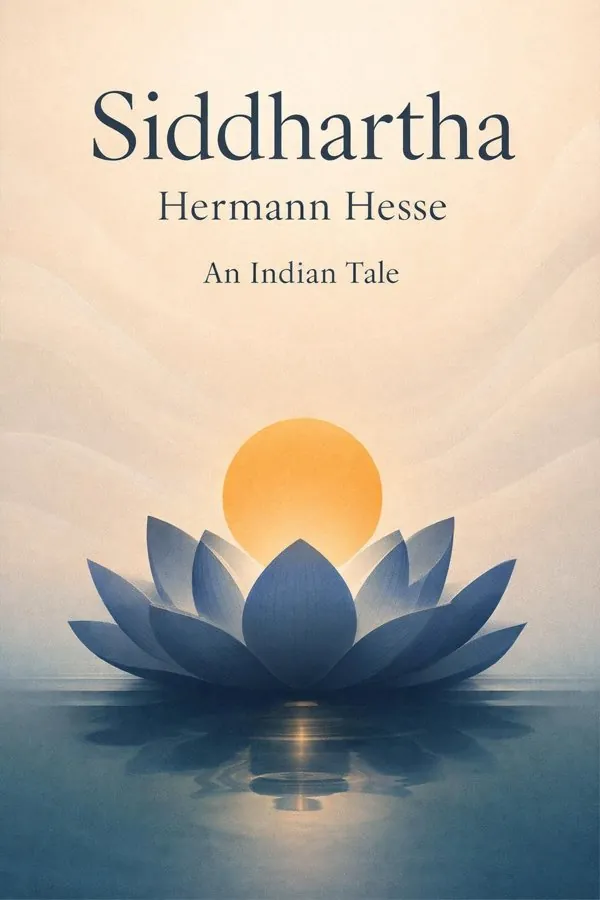
Siddhartha
Siddhartha is Hermann Hesse’s luminous 1922 novel about a young man’s search for enlightenment in ancient India, during the era of the Buddha. What begins as the story of a gifted Brahmin’s son quickly becomes a universal exploration of dissatisfaction, desire, suffering, love, loss, and inner awakening. Siddhartha is not content to inherit wisdom secondhand. He wants truth that is lived, not merely taught, and that longing drives him through extreme asceticism, sensual pleasure, wealth, despair, and finally a quiet, profound reconciliation with life itself. The novel matters because it speaks to a question that remains urgent today: how do we find meaning in a world full of advice, ideologies, and distractions? Hesse’s answer is subtle and enduring. Real understanding cannot be borrowed from doctrines alone; it must be discovered through experience, reflection, and attention. Drawing on Indian spiritual traditions while writing for a modern Western audience, Hesse created a work that bridges cultures without losing psychological depth. A Nobel Prize-winning author celebrated for his insight into self-realization, Hesse makes Siddhartha both a spiritual parable and a deeply human coming-of-age story.
Read SummaryKey Insights from Hermann Hesse
The Dissatisfied Brahmin
A privileged life can still feel empty when the soul remains unanswered. At the beginning of Siddhartha, we meet a brilliant, admired young Brahmin who seems to possess everything a spiritual seeker should want: intelligence, discipline, social standing, and access to sacred learning. He knows ritua...
From Siddhartha
Learning Through Self-Denial’s Limits
Escaping the world is not the same as understanding it. After leaving home, Siddhartha joins the Samanas, wandering ascetics who practice extreme renunciation. He learns to fast, endure pain, empty the self, and detach from bodily desire. These disciplines strengthen his will and teach him mastery o...
From Siddhartha
The Buddha Cannot Be Imitated
Even perfect teaching cannot spare us from having to live our own path. One of the most memorable moments in Siddhartha occurs when he meets Gotama, the Buddha. Siddhartha recognizes immediately that the Buddha is the real thing: serene, complete, free from striving. Unlike other teachers, Gotama’s ...
From Siddhartha
Awakening Begins With Becoming Yourself
The most radical step in Siddhartha’s journey is not leaving home or rejecting asceticism; it is realizing that he must stop trying to become someone else. After parting ways with Govinda and the Buddha’s community, Siddhartha experiences the world as if for the first time. He sees nature freshly, h...
From Siddhartha
The Worldly Years Teach Another Truth
What we condemn from afar may hold lessons we can learn nowhere else. Siddhartha’s entry into worldly life, guided by the courtesan Kamala and the merchant Kamaswami, seems at first like a fall from spiritual seriousness. He learns the arts of love, business, wealth, comfort, and social power. He dr...
From Siddhartha
Despair Opens the Door to Renewal
Sometimes transformation begins only after the life we built becomes unbearable. After years of wealth and sensuality, Siddhartha falls into exhaustion and self-disgust. The pleasures that once fascinated him now taste stale. He sees that he has become spiritually numb, trapped in habits he once wou...
From Siddhartha
About Hermann Hesse
Hermann Hesse (1877–1962) was a German-Swiss writer, poet, and painter. He received the Nobel Prize in Literature in 1946. His works, including Steppenwolf, Narcissus and Goldmund, and The Glass Bead Game, often explore themes of self-realization, spirituality, and the tension between individuality ...
Read more
Hermann Hesse (1877–1962) was a German-Swiss writer, poet, and painter. He received the Nobel Prize in Literature in 1946. His works, including Steppenwolf, Narcissus and Goldmund, and The Glass Bead Game, often explore themes of self-realization, spirituality, and the tension between individuality ...
Hermann Hesse (1877–1962) was a German-Swiss writer, poet, and painter. He received the Nobel Prize in Literature in 1946. His works, including Steppenwolf, Narcissus and Goldmund, and The Glass Bead Game, often explore themes of self-realization, spirituality, and the tension between individuality and society.




Frequently Asked Questions
Hermann Hesse (1877–1962) was a German-Swiss writer, poet, and painter. He received the Nobel Prize in Literature in 1946.
Read Hermann Hesse's books in 15 minutes
Get AI-powered summaries with key insights from 1 book by Hermann Hesse.