
Guy Winch Books
Guy Winch es psicólogo, conferencista y autor reconocido por su trabajo en salud emocional y psicología aplicada. Ha escrito varios libros sobre cómo cuidar las heridas psicológicas y mejorar la autoestima.
Known for: Emotional First Aid: Healing Rejection, Guilt, Failure, and Other Everyday Hurts
Books by Guy Winch
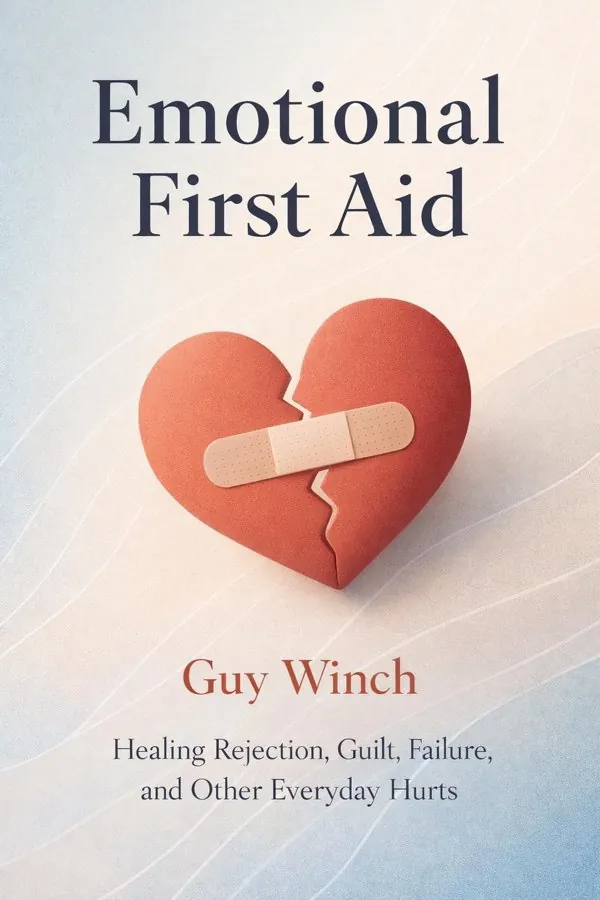
Emotional First Aid: Healing Rejection, Guilt, Failure, and Other Everyday Hurts
Emotional pain is often treated as something we should simply “get over,” yet it can affect our thoughts, behavior, health, and relationships just as strongly as a physical injury. In Emotional First Aid, psychologist Guy Winch argues that everyday psychological wounds—rejection, loneliness, failure, guilt, rumination, and low self-esteem—deserve immediate, practical care. Instead of waiting until emotional distress becomes overwhelming, he offers tools to treat these common hurts early, before they deepen into lasting damage. The book matters because most people know how to clean a cut or ice a sprain, but far fewer know how to respond constructively when their confidence collapses, when they are excluded, or when shame keeps replaying a mistake. Winch brings clinical experience, psychological research, and accessible language together to create a guide that feels both compassionate and actionable. His core insight is simple but powerful: emotional wounds are real, common, and treatable. For anyone who has ever felt stuck after criticism, heartbreak, disappointment, or self-blame, this book offers a practical mental health toolkit for everyday life.
Read SummaryKey Insights from Guy Winch
Emotional wounds need immediate care
One of the book’s most powerful ideas is that emotional injuries should be treated with the same seriousness and urgency as physical ones. Most people would not ignore a deep cut, yet they routinely dismiss rejection, failure, or guilt as things they should “tough out.” Guy Winch argues that this ne...
From Emotional First Aid: Healing Rejection, Guilt, Failure, and Other Everyday Hurts
Rejection hurts more than we admit
Rejection is not just disappointing—it can shake a person’s sense of belonging, value, and identity within minutes. Winch explains that social rejection activates many of the same systems involved in physical pain, which helps explain why a breakup, exclusion, or dismissal can feel so intense. Yet p...
From Emotional First Aid: Healing Rejection, Guilt, Failure, and Other Everyday Hurts
Loneliness distorts how we see others
Loneliness is often misunderstood as merely being alone, but Winch shows it is better understood as a psychological state that changes perception, expectation, and behavior. When people feel lonely, they become more sensitive to social threat. They may interpret neutral interactions as dismissive, e...
From Emotional First Aid: Healing Rejection, Guilt, Failure, and Other Everyday Hurts
Failure becomes dangerous when it defines you
Failure is a normal part of learning, but emotionally it often feels like a verdict rather than an event. Winch argues that the most damaging aspect of failure is not the mistake itself but the way people interpret it. A setback in work, relationships, school, or personal goals can quickly become ev...
From Emotional First Aid: Healing Rejection, Guilt, Failure, and Other Everyday Hurts
Guilt can guide repair, not punishment
Guilt is uncomfortable, but Winch treats it as a potentially constructive emotion when handled correctly. Unlike shame, which says “I am bad,” guilt says “I did something wrong.” That distinction matters. Healthy guilt can motivate accountability, empathy, and repair. Unhealthy guilt, however, can s...
From Emotional First Aid: Healing Rejection, Guilt, Failure, and Other Everyday Hurts
Rumination keeps emotional pain alive
Many emotional injuries fade with time, but rumination acts like scratching at a wound until it cannot heal. Winch describes rumination as the repetitive mental replay of distressing events, usually framed as analysis but rarely leading to clarity. People revisit the same rejection, argument, embarr...
From Emotional First Aid: Healing Rejection, Guilt, Failure, and Other Everyday Hurts
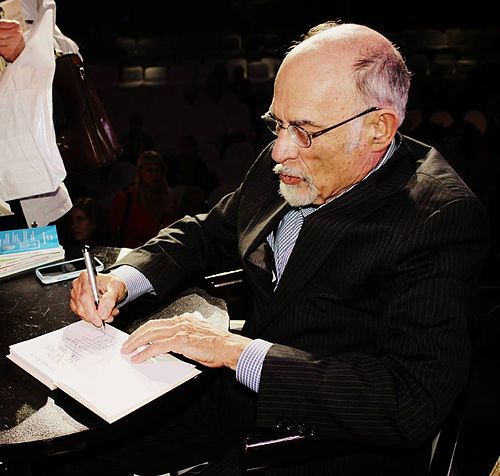
About Guy Winch
Guy Winch es psicólogo, conferencista y autor reconocido por su trabajo en salud emocional y psicología aplicada. Ha escrito varios libros sobre cómo cuidar las heridas psicológicas y mejorar la autoestima.



Frequently Asked Questions
Guy Winch es psicólogo, conferencista y autor reconocido por su trabajo en salud emocional y psicología aplicada. Ha escrito varios libros sobre cómo cuidar las heridas psicológicas y mejorar la autoestima.
Read Guy Winch's books in 15 minutes
Get AI-powered summaries with key insights from 1 book by Guy Winch.