
Euripides Books
Euripides (c. 480–406 BCE) was one of the three great tragedians of classical Athens, alongside Aeschylus and Sophocles.
Known for: The Trojan Women
Books by Euripides
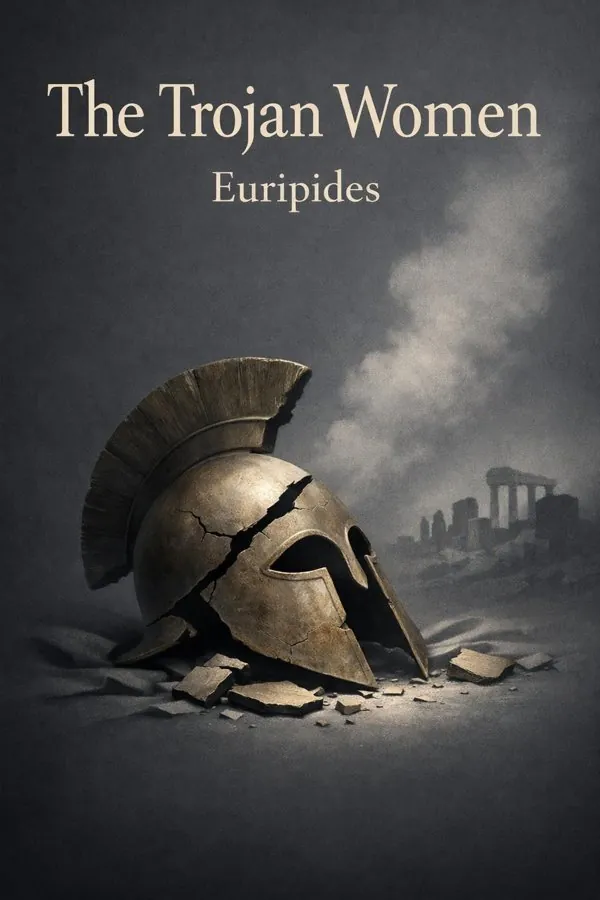
The Trojan Women
Euripides’ tragedy The Trojan Women, first performed in 415 BCE, unfolds in the aftermath of Troy’s destruction. The play centers on the fates of the city’s women—Hecuba, Cassandra, Andromache, and Helen—who face enslavement and despair at the hands of the victorious Greeks. Through their suffering, Euripides delivers a powerful denunciation of war’s brutality and the futility of vengeance, making it one of the most enduring anti-war works of classical literature.
Read SummaryKey Insights from Euripides
Prologue: The Gods Withdraw Their Blessing
The curtain rises not upon mortals but immortals. Poseidon stands amid the smoldering ruins of Troy, mourning the city whose ramparts he once built. In his speech lies both pity and reproach: though the Greeks have won, their sacrilege has doomed them. Athena arrives next, vowing vengeance for her o...
From The Trojan Women
Hecuba’s Lament: The Fall of Dignity
When the divine voices fade, the human voice of Hecuba rises. Once queen of the proudest city in Asia, she now lies upon the ground, robed in rags. Through her enters the voice of endurance stripped of hope. Hecuba does not plead for reversal but articulates the bewilderment of one who has lost ever...
From The Trojan Women
About Euripides
Euripides (c. 480–406 BCE) was one of the three great tragedians of classical Athens, alongside Aeschylus and Sophocles. His plays are known for their psychological depth, realism, and humanism, often challenging the social and religious norms of his time. Many of his works, including Medea, The Bac...
Read more
Euripides (c. 480–406 BCE) was one of the three great tragedians of classical Athens, alongside Aeschylus and Sophocles. His plays are known for their psychological depth, realism, and humanism, often challenging the social and religious norms of his time. Many of his works, including Medea, The Bac...
Euripides (c. 480–406 BCE) was one of the three great tragedians of classical Athens, alongside Aeschylus and Sophocles. His plays are known for their psychological depth, realism, and humanism, often challenging the social and religious norms of his time. Many of his works, including Medea, The Bacchae, and The Trojan Women, remain central to the Western dramatic canon.





Frequently Asked Questions
Euripides (c. 480–406 BCE) was one of the three great tragedians of classical Athens, alongside Aeschylus and Sophocles.
Read Euripides's books in 15 minutes
Get AI-powered summaries with key insights from 1 book by Euripides.