
Edward Lear Books
Edward Lear (1812–1888) was an English writer, poet, and illustrator best known for his literary nonsense and limericks. His works combined humor, imagination, and distinctive illustrations, making him a foundational figure in children's literature and comic verse.
Known for: Nonsense
Books by Edward Lear
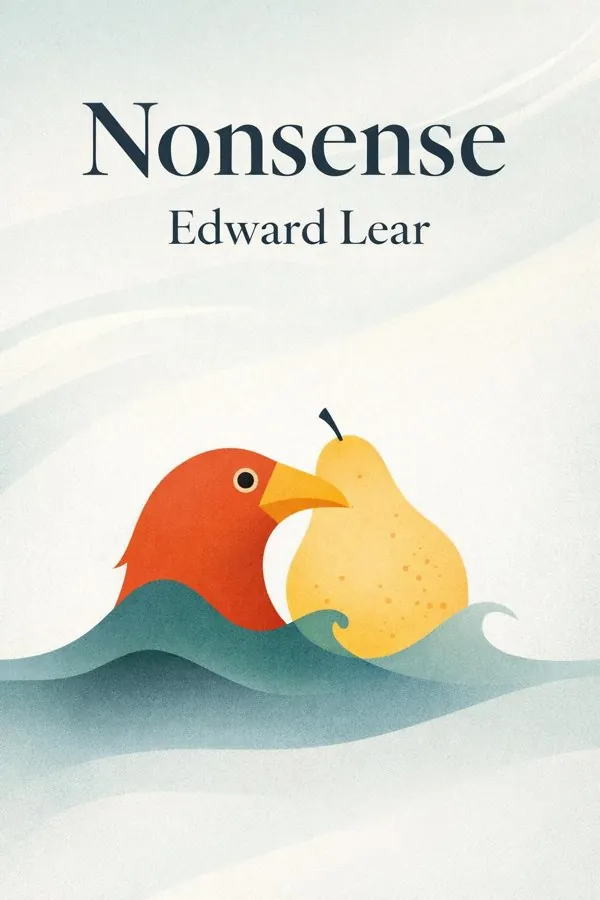
Nonsense
Edward Lear��s Nonsense is a landmark collection of comic verse, playful songs, absurd miniatures, and unforgettable limericks that transformed silliness into an art form. At first glance, the book seems to offer light amusement: odd old people, improbable animals, made-up words, and gleefully irrational events. But Lear’s achievement runs deeper than simple humor. He created a literary space where logic loosens, language becomes musical, and imagination is allowed to roam without apology. In doing so, he helped establish literary nonsense as a serious mode of creativity, one that would influence writers from Lewis Carroll onward and continue to shape children’s literature, comic poetry, and surreal art. What makes Nonsense endure is its combination of strict form and wild invention. Lear’s limericks obey rhythm and structure even as they celebrate absurdity, and his illustrations amplify the joke by making impossible scenes feel oddly believable. The result is a body of work that delights children, rewards adults, and invites readers of any age to rediscover the freedom of playful thought. Lear’s authority comes not from solemn instruction but from mastery: he understood sound, image, and timing so well that he could make nonsense feel inevitable, graceful, and strangely wise.
Read SummaryKey Insights from Edward Lear
The Limerick Shapes Playful Disorder
The first surprise of Lear’s work is that nonsense depends on discipline. His best-known poems are limericks, a form so compact that every sound, pause, and turn matters. The five-line structure creates a rhythmic expectation, then rewards it with a comic twist. Because the pattern is familiar and t...
From Nonsense
Eccentric Characters Make Absurdity Human
People laugh more readily at absurdity when it arrives in the shape of a character. Lear fills his poems with figures who are defined by one outsized trait: an enormous beard, a troubling habit, a remarkable nose, a strange appetite, or a socially inconvenient obsession. These people are not realist...
From Nonsense
Invented Language Unlocks New Possibilities
Some truths about imagination can only be expressed through words that do not yet exist. Lear’s nonsense vocabulary, unusual names, sound-driven phrasing, and delight in verbal invention reveal a central principle of the book: language is not just a tool for labeling reality, but a playground for ex...
From Nonsense
Whimsical Creatures Expand Emotional Imagination
When animals behave like people and impossible beings enter the scene, imagination becomes emotionally safer and more expansive. Lear’s world is populated by owls, pussycats, and extraordinary creatures whose behavior blends innocence, tenderness, oddity, and comedy. These beings are not decorative ...
From Nonsense
Fantastical Journeys Defy Ordinary Limits
Travel in Nonsense is rarely practical, but it is always liberating. Lear repeatedly sends his characters across seas, into improbable landscapes, or toward destinations that seem chosen for musical delight as much as narrative purpose. These journeys matter because nonsense thrives on movement. Onc...
From Nonsense
Rhythm Repetition Make Nonsense Memorable
Before nonsense is understood, it is heard. Lear’s poems often linger in memory because of their pulse, repetition, and musical wording. The ear accepts what the mind might resist. Recurrent sounds, echoed phrases, and singable cadences create pleasure independent of strict meaning, which allows abs...
From Nonsense
About Edward Lear
Edward Lear (1812–1888) was an English writer, poet, and illustrator best known for his literary nonsense and limericks. His works combined humor, imagination, and distinctive illustrations, making him a foundational figure in children's literature and comic verse.





Frequently Asked Questions
Edward Lear (1812–1888) was an English writer, poet, and illustrator best known for his literary nonsense and limericks. His works combined humor, imagination, and distinctive illustrations, making him a foundational figure in children's literature and comic verse.
Read Edward Lear's books in 15 minutes
Get AI-powered summaries with key insights from 1 book by Edward Lear.