
David Treuer Books
David Treuer is an Ojibwe author and academic from the Leech Lake Reservation in Minnesota. He has written several acclaimed works of fiction and nonfiction exploring Native American identity, history, and contemporary life.
Known for: The Heartbeat of Wounded Knee: Native America from 1890 to the Present
Books by David Treuer
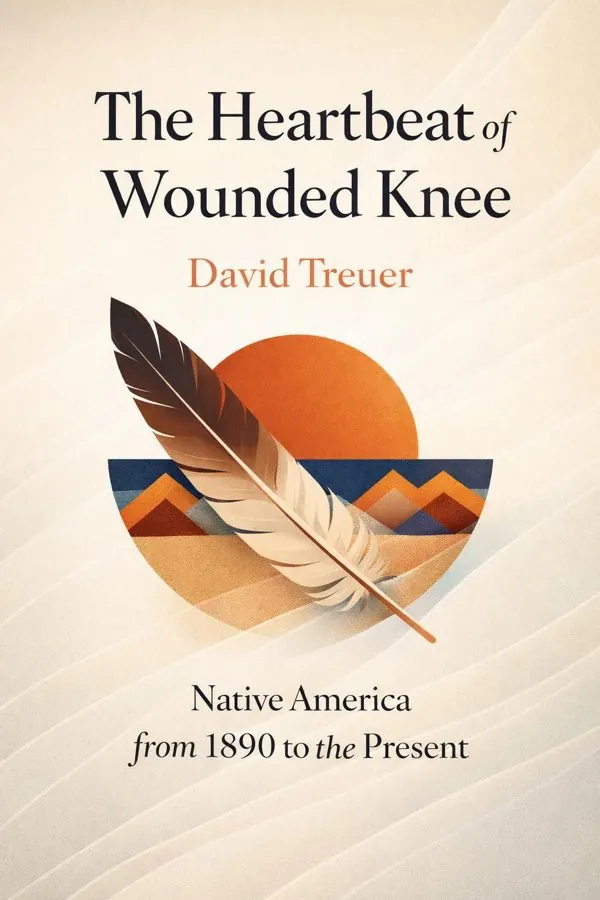
The Heartbeat of Wounded Knee: Native America from 1890 to the Present
David Treuer’s The Heartbeat of Wounded Knee overturns one of the most persistent myths in American history: that Native life effectively ended with the 1890 massacre at Wounded Knee. Instead of treating that event as a final chapter, Treuer reframes it as the beginning of a modern Native story shaped by survival, reinvention, political struggle, and cultural vitality. Blending archival history, journalism, family memory, and firsthand reporting, he traces how Native communities endured land theft, assimilation campaigns, relocation, and economic hardship while continuing to build families, governments, art, institutions, and futures. What makes this book matter is not only the history it tells, but the history it corrects. Treuer shows that Native America is not a relic of the frontier but a living, changing presence at the center of modern American life. His perspective carries unusual authority: he is both a trained historian and an Ojibwe writer from the Leech Lake Reservation, someone deeply rooted in the communities he describes. The result is a sweeping, intimate, and corrective account that asks readers to replace elegy with reality and disappearance with endurance.
Read SummaryKey Insights from David Treuer
Wounded Knee Was Not the End
A nation can be conquered in myth long after it survives in reality. Treuer begins by challenging the familiar idea that the massacre at Wounded Knee marked the death of Native America. In standard narratives, 1890 functions as a symbolic end point: the frontier closes, resistance collapses, and Ind...
From The Heartbeat of Wounded Knee: Native America from 1890 to the Present
Assimilation Policies Met Native Adaptation
The most aggressive attacks on a people often come disguised as reform. In the decades after Wounded Knee, federal policy sought not just to control Native nations but to dismantle the foundations of Native identity. The Dawes Act broke up communally held tribal lands into individual allotments, sup...
From The Heartbeat of Wounded Knee: Native America from 1890 to the Present
The Indian New Deal Changed the Terrain
Even flawed reform can create room for renewal. During the 1930s, federal Indian policy shifted under Commissioner of Indian Affairs John Collier and the Indian Reorganization Act. The earlier assimilationist logic of allotment was partly abandoned, and tribes were encouraged to reconstitute governm...
From The Heartbeat of Wounded Knee: Native America from 1890 to the Present
Cities Became Native Spaces Too
A people do not cease to exist when they move; they redefine the map. After World War II, federal relocation programs pushed many Native people toward urban centers such as Minneapolis, Los Angeles, Chicago, and Denver. These policies were often framed as pathways to employment and integration, but ...
From The Heartbeat of Wounded Knee: Native America from 1890 to the Present
Red Power Reasserted Sovereignty Publicly
Sometimes a nation must become visible through disruption before others admit it exists. In the 1960s and 1970s, Native activism entered public consciousness through the Red Power movement, including the occupation of Alcatraz, the Trail of Broken Treaties, the Bureau of Indian Affairs takeover, and...
From The Heartbeat of Wounded Knee: Native America from 1890 to the Present
Culture Survived by Changing Form
Living cultures do not remain frozen; they pulse, absorb, and reinvent. One of Treuer’s most powerful themes is that Native cultural continuity has depended not on preserving an untouched past but on carrying meaning through transformation. Language revitalization programs, Native literature, visual...
From The Heartbeat of Wounded Knee: Native America from 1890 to the Present
About David Treuer
David Treuer is an Ojibwe author and academic from the Leech Lake Reservation in Minnesota. He has written several acclaimed works of fiction and nonfiction exploring Native American identity, history, and contemporary life.



Frequently Asked Questions
David Treuer is an Ojibwe author and academic from the Leech Lake Reservation in Minnesota. He has written several acclaimed works of fiction and nonfiction exploring Native American identity, history, and contemporary life.
Read David Treuer's books in 15 minutes
Get AI-powered summaries with key insights from 1 book by David Treuer.