
David Fromkin Books
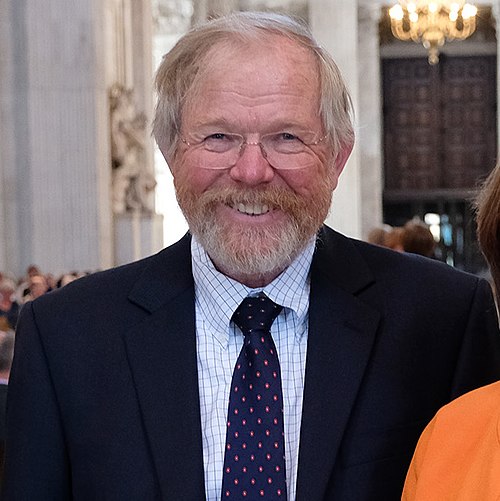
David Fromkin (1932–2017) was an American historian, lawyer, and author known for his works on international relations and Middle Eastern history. He served as a professor at Boston University and wrote several influential books on global politics and history.
Known for: A Peace to End All Peace: The Fall of the Ottoman Empire and the Creation of the Modern Middle East
Books by David Fromkin

A Peace to End All Peace: The Fall of the Ottoman Empire and the Creation of the Modern Middle East
David Fromkin’s A Peace to End All Peace is a sweeping account of how the modern Middle East was made not by timeless inevitabilities, but by wartime calculations, diplomatic bargains, and imperial ambitions. Covering the years surrounding World War I and its aftermath, the book traces the collapse of the Ottoman Empire and shows how Britain, France, Russia, and other powers competed to divide its territories while promising different futures to different peoples. The result was not a stable peace, but a political settlement filled with contradictions. What makes this book so important is its insistence that many of today’s crises have roots in choices made by statesmen who often misunderstood the region they were reshaping. Fromkin reveals how strategic concerns such as access to India, oil, prestige, and wartime advantage outweighed local realities. He also shows how Arab aspirations, Turkish nationalism, Zionist hopes, and European imperial planning collided in ways that still echo today. A respected historian of international relations, Fromkin brings narrative force, archival depth, and sharp analysis to one of the most consequential geopolitical transformations of the twentieth century.
Read SummaryKey Insights from David Fromkin
The Ottoman World Was Complex, Not Empty
A useful way to begin this story is to reject a common illusion: the Middle East was not a blank map waiting for Europeans to organize it. Before World War I, the Ottoman Empire governed a vast and varied political world that included Turks, Arabs, Armenians, Kurds, Greeks, Jews, and many others. It...
From A Peace to End All Peace: The Fall of the Ottoman Empire and the Creation of the Modern Middle East
Imperial Rivalry Drove Moral Language
One of the book’s most unsettling lessons is that great powers often speak in ideals while acting through interests. Britain, France, and Russia justified their involvement in Ottoman affairs using language about stability, protection, civilization, and wartime necessity. Yet beneath these claims la...
From A Peace to End All Peace: The Fall of the Ottoman Empire and the Creation of the Modern Middle East
War Turned Ambitions Into Irreversible Decisions
World War I did not simply accelerate the Ottoman Empire’s decline; it transformed old rivalries into binding commitments. Once the Ottoman state entered the war on the side of the Central Powers, its territories became military objectives as well as diplomatic prizes. Campaigns at Gallipoli, in Mes...
From A Peace to End All Peace: The Fall of the Ottoman Empire and the Creation of the Modern Middle East
The Arab Revolt Carried Conflicting Expectations
Few episodes in modern Middle Eastern history have been more romanticized than the Arab Revolt. Popular memory often frames it as a straightforward uprising for Arab freedom, aided by Britain and symbolized by T. E. Lawrence. Fromkin complicates that image. The revolt was real, and figures such as S...
From A Peace to End All Peace: The Fall of the Ottoman Empire and the Creation of the Modern Middle East
Secret Deals Undermined Public Promises
One of the central dramas of A Peace to End All Peace is the collision between wartime promises and secret diplomacy. As the Allies fought the Ottoman Empire, they simultaneously negotiated over how to divide its lands. The most famous arrangement, the Sykes-Picot Agreement, envisioned British and F...
From A Peace to End All Peace: The Fall of the Ottoman Empire and the Creation of the Modern Middle East
Balfour Reshaped Palestine’s Political Future
The Balfour Declaration was short, carefully phrased, and historically explosive. In 1917 Britain declared its support for the establishment in Palestine of a national home for the Jewish people, while also stating that nothing should prejudice the civil and religious rights of existing non-Jewish c...
From A Peace to End All Peace: The Fall of the Ottoman Empire and the Creation of the Modern Middle East
About David Fromkin
David Fromkin (1932–2017) was an American historian, lawyer, and author known for his works on international relations and Middle Eastern history. He served as a professor at Boston University and wrote several influential books on global politics and history.


Frequently Asked Questions
David Fromkin (1932–2017) was an American historian, lawyer, and author known for his works on international relations and Middle Eastern history. He served as a professor at Boston University and wrote several influential books on global politics and history.
Read David Fromkin's books in 15 minutes
Get AI-powered summaries with key insights from 1 book by David Fromkin.