
Baltasar Gracián Books
Baltasar Gracián (1601–1658) was a Spanish writer and Jesuit priest, regarded as one of the leading figures of Baroque conceptism. His works are known for their sharp wit, brevity, and moral depth.
Known for: The Art of Worldly Wisdom
Books by Baltasar Gracián
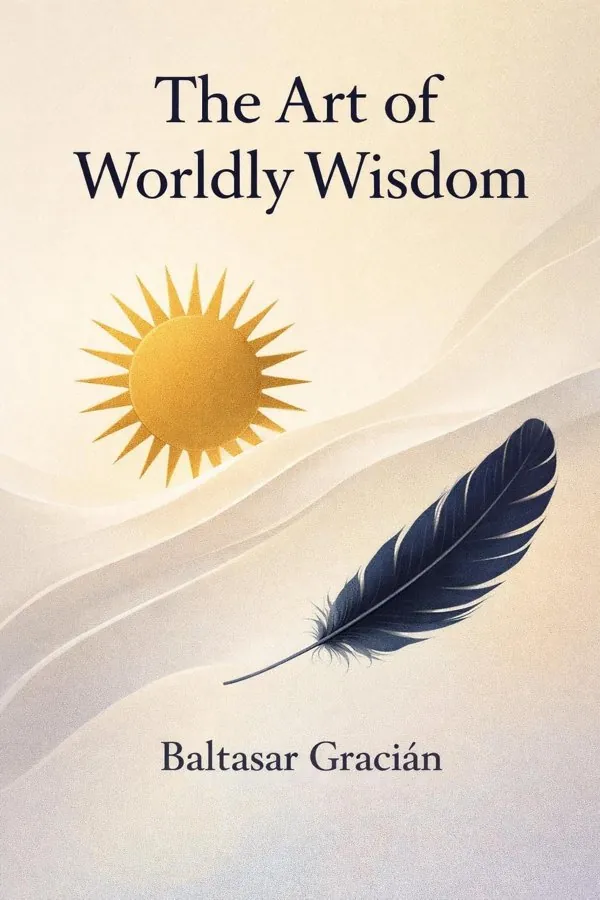
The Art of Worldly Wisdom
The Art of Worldly Wisdom is one of the most enduring manuals ever written on how to navigate ambition, reputation, power, and human weakness without losing your inner balance. First published in 1647, Baltasar Gracián’s book gathers 300 aphorisms on judgment, conduct, timing, friendship, speech, and self-command. Though brief in form, its insights are remarkably deep: Gracián understood that success in the world requires more than virtue alone. It requires discernment, emotional control, strategic intelligence, and the ability to read people accurately. What makes this work still matter is its realism. Gracián does not describe an ideal world where merit is always rewarded and sincerity is always safe. He describes the world as it is: unpredictable, competitive, theatrical, and shaped by appearances as much as by substance. Yet he is not cynical. He argues that wisdom lies in combining moral seriousness with practical tact. A Jesuit priest and one of the sharpest minds of Spain’s Golden Age, Gracián wrote with unusual authority about the tension between ethics and effectiveness. The result is a timeless guide for anyone who wants to act wisely in public and private life.
Read SummaryKey Insights from Baltasar Gracián
Prudence as the Highest Practical Virtue
A good intention without judgment can cause as much harm as a bad intention with power. This is the central spirit of Gracián’s teaching on prudence. For him, prudence is not mere caution, passivity, or fear of risk. It is the disciplined ability to assess people, circumstances, timing, and conseque...
From The Art of Worldly Wisdom
Self-Knowledge Before Mastering the World
The person least fit to govern events is often the one who has never learned to govern himself. Gracián insists that worldly wisdom begins inwardly. Before we can influence others, protect our reputation, or make good judgments, we must understand our own tendencies. Self-knowledge means recognizing...
From The Art of Worldly Wisdom
Reading Others with Calm Discernment
Most people listen to words; the wise study motives, patterns, and silences. Gracián treats social intelligence as a core survival skill. Human beings are rarely transparent. They flatter, conceal, posture, hesitate, test boundaries, and reveal themselves indirectly. To move wisely through the world...
From The Art of Worldly Wisdom
Reputation, Appearance, and Strategic Reserve
In public life, what people believe about you often shapes what becomes possible for you. Gracián understands reputation as a form of social capital. It is not identical with character, but it influences how character is received. A person may possess talent, integrity, and insight, yet fail if he a...
From The Art of Worldly Wisdom
Timing, Fortune, and the Seizing of Opportunity
Even the right action can fail when taken at the wrong moment. Gracián gives enormous weight to timing because life unfolds not in abstractions but in circumstances. Fortune is real in his account: chance, shifting moods, political currents, and unforeseen events affect outcomes. But fortune does no...
From The Art of Worldly Wisdom
Speech, Silence, and the Power of Restraint
What ruins many people is not what they fail to say, but what they say too easily. Gracián treats communication as a moral and strategic art. Words can persuade, reveal intelligence, heal conflict, and shape reputation. But words can also expose weakness, betray plans, inflame enemies, and make fool...
From The Art of Worldly Wisdom
About Baltasar Gracián
Baltasar Gracián (1601–1658) was a Spanish writer and Jesuit priest, regarded as one of the leading figures of Baroque conceptism. His works are known for their sharp wit, brevity, and moral depth. Among his best-known books are The Hero, The Politician, and The Critic.


Frequently Asked Questions
Baltasar Gracián (1601–1658) was a Spanish writer and Jesuit priest, regarded as one of the leading figures of Baroque conceptism. His works are known for their sharp wit, brevity, and moral depth.
Read Baltasar Gracián's books in 15 minutes
Get AI-powered summaries with key insights from 1 book by Baltasar Gracián.