
Alan Derickson Books
Alan Derickson is a historian specializing in labor, health, and social policy. He has written extensively on occupational health and the history of medicine in the United States, focusing on how work and cultural expectations shape public health outcomes.
Known for: Dangerously Sleepy: Overworked Americans and the Cult of Manly Wakefulness
Books by Alan Derickson
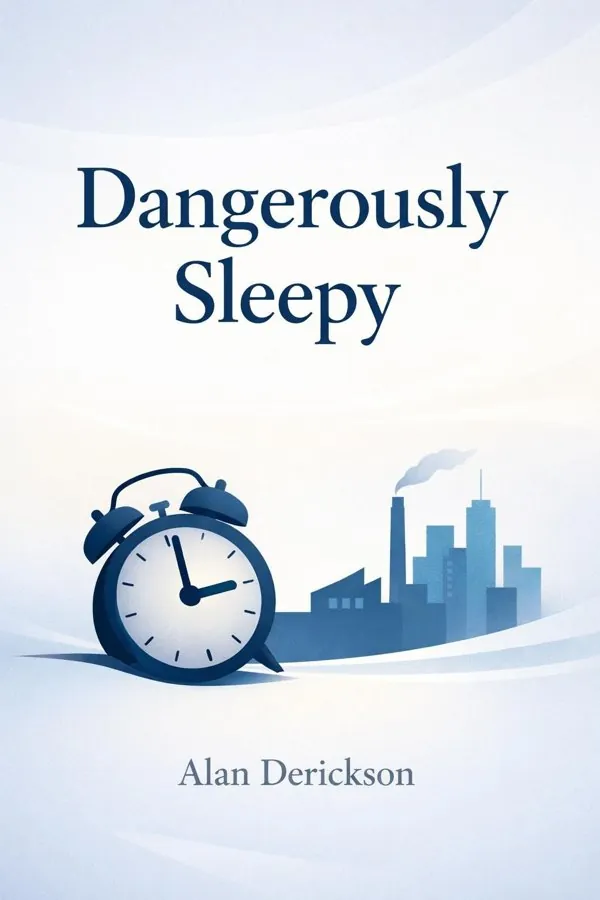
Dangerously Sleepy: Overworked Americans and the Cult of Manly Wakefulness
Why do so many Americans treat exhaustion as a badge of honor rather than a warning sign? In Dangerously Sleepy, historian Alan Derickson traces the deep roots of that mindset, showing how sleep deprivation became tied to ideals of masculinity, ambition, and national progress in the United States. Rather than treating sleeplessness as a purely modern problem caused by smartphones and busy schedules, Derickson reveals a much longer story—one shaped by industrial labor, military discipline, medical debates, corporate culture, and gender expectations. Across more than a century of American life, men were often praised for pushing through fatigue, staying alert at all costs, and proving their worth through endurance. The result was not simply a cultural attitude but a public health problem with serious consequences. Derickson is especially well qualified to tell this story. A historian of labor, health, and medicine, he brings together archival research and social analysis to explain how overwork became normalized and why its harms were so often ignored. This is a powerful book for anyone trying to understand the hidden costs of productivity culture.
Read SummaryKey Insights from Alan Derickson
Industrial America Turned Sleep Into Weakness
A society reveals its values by what it asks people to sacrifice, and industrial America asked workers to sacrifice sleep. Derickson shows that in the nineteenth century, as factories expanded and time discipline tightened, sleep increasingly came to be seen not as a biological necessity but as an o...
From Dangerously Sleepy: Overworked Americans and the Cult of Manly Wakefulness
Science Measured Fatigue But Culture Ignored It
Knowledge alone does not change behavior, especially when it threatens deeply held social ideals. In the late nineteenth and early twentieth centuries, scientists and physicians began studying sleep, fatigue, and nervous strain with greater precision. Researchers examined reaction time, industrial a...
From Dangerously Sleepy: Overworked Americans and the Cult of Manly Wakefulness
Progressive Reform Stopped Short Of Rest
Even reform movements can preserve the values they claim to challenge. During the Progressive Era, Americans increasingly worried about industrial efficiency, workplace accidents, and social disorder. Reformers sought better labor standards, stronger public institutions, and healthier cities. Yet De...
From Dangerously Sleepy: Overworked Americans and the Cult of Manly Wakefulness
War Made Sleepless Endurance Patriotic
Nothing legitimizes sacrifice more quickly than war, and wartime America turned sleeplessness into proof of patriotic manhood. Derickson explains that during World War I and World War II, military demands intensified older ideals of masculine endurance. Soldiers, pilots, sailors, medics, and war-pro...
From Dangerously Sleepy: Overworked Americans and the Cult of Manly Wakefulness
Corporate Success Rebranded Exhaustion As Ambition
After the wars, sleeplessness did not disappear; it simply put on a suit. Derickson describes how postwar corporate America carried forward older ideals of masculine wakefulness, now tied less to factory endurance and more to executive ambition, white-collar professionalism, and middle-class success...
From Dangerously Sleepy: Overworked Americans and the Cult of Manly Wakefulness
Fatigue Became Medicalized And Individualized
One of the most revealing moves in modern society is turning a structural problem into a personal condition. Derickson shows how fatigue increasingly became medicalized across the twentieth century. Tiredness was discussed through diagnoses, treatments, stimulants, sleep aids, and specialized expert...
From Dangerously Sleepy: Overworked Americans and the Cult of Manly Wakefulness
About Alan Derickson
Alan Derickson is a historian specializing in labor, health, and social policy. He has written extensively on occupational health and the history of medicine in the United States, focusing on how work and cultural expectations shape public health outcomes.

Frequently Asked Questions
Alan Derickson is a historian specializing in labor, health, and social policy. He has written extensively on occupational health and the history of medicine in the United States, focusing on how work and cultural expectations shape public health outcomes.
Read Alan Derickson's books in 15 minutes
Get AI-powered summaries with key insights from 1 book by Alan Derickson.