
Robert I. Sutton Books
Robert I. Sutton is a professor of Management Science and Engineering at Stanford University and a co-founder of the Stanford Technology Ventures Program.
Known for: Hard Facts, Dangerous Half-Truths, and Total Nonsense: Profiting from Evidence-Based Management, Scaling Up Excellence: Getting to More Without Settling for Less, The Asshole Survival Guide: How to Deal with People Who Treat You Like Dirt, The Friction Project: How Smart Leaders Make the Right Things Easier and the Wrong Things Harder, The No Asshole Rule: Building a Civilized Workplace and Surviving One That Isn't
Books by Robert I. Sutton

Hard Facts, Dangerous Half-Truths, and Total Nonsense: Profiting from Evidence-Based Management
This book advocates for evidence-based management, urging leaders to make decisions grounded in data and research rather than intuition or conventional wisdom. Pfeffer and Sutton expose common manager...
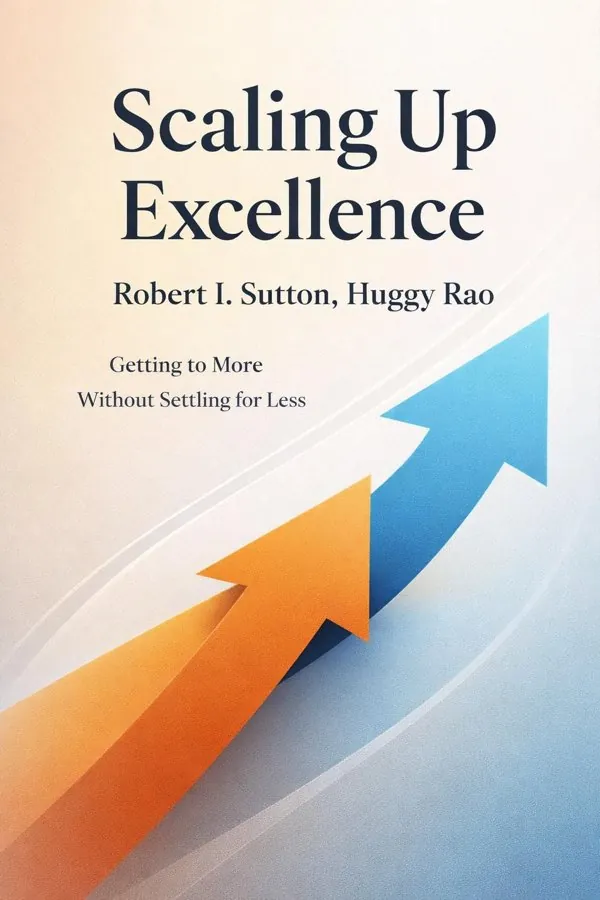
Scaling Up Excellence: Getting to More Without Settling for Less
This book explores how organizations can effectively scale up excellence—spreading and sustaining the right mindset, behaviors, and practices as they grow. Drawing on extensive research and case studi...
The Asshole Survival Guide: How to Deal with People Who Treat You Like Dirt
Some workplace problems are frustrating but manageable. Others get under your skin, drain your confidence, and make you dread the next email, meeting, or shift. In The Asshole Survival Guide, Stanford...
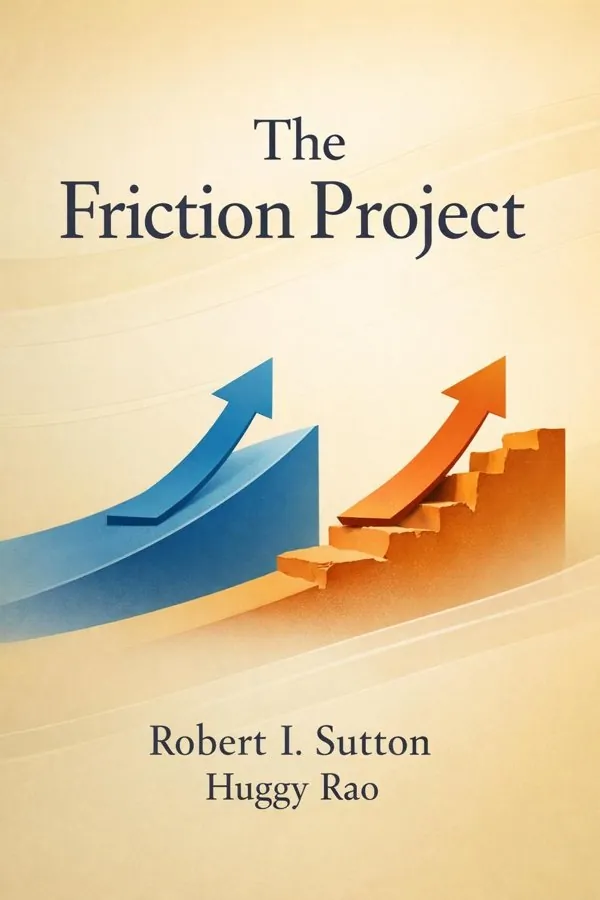
The Friction Project: How Smart Leaders Make the Right Things Easier and the Wrong Things Harder
In this management and leadership book, Robert I. Sutton and Huggy Rao explore how leaders can identify and reduce organizational friction that slows progress, while strategically adding friction to p...
The No Asshole Rule: Building a Civilized Workplace and Surviving One That Isn't
In this influential management book, Stanford professor Robert I. Sutton explores how toxic behavior in the workplace undermines performance, morale, and organizational culture. He presents research-b...
Key Insights from Robert I. Sutton
The Problem of Conventional Wisdom
We have both taught and studied management for decades, and one persistent observation continues to trouble us: managers far too often act on beliefs that are simply untested—or flatly wrong. The problem with conventional wisdom is not that it is always false; rather, it becomes dangerous precisely ...
From Hard Facts, Dangerous Half-Truths, and Total Nonsense: Profiting from Evidence-Based Management
Hard Facts and Their Importance
Facts are stubborn things—but organizations have a way of contorting them. Our research repeatedly showed that even when data are available, managers often ignore or misinterpret them, preferring anecdote to analysis. This is not mere laziness; it is human nature. Stories stick; data bore. Yet organ...
From Hard Facts, Dangerous Half-Truths, and Total Nonsense: Profiting from Evidence-Based Management
The Problem of Scaling
Every organization that achieves pockets of success eventually faces the scaling dilemma—the tension between wanting more and preserving what already works. As we looked deeper into the stories of companies and institutions, we found leaders torn between two competing impulses: expanding their reach...
From Scaling Up Excellence: Getting to More Without Settling for Less
The Mindset of Scaling
When we examined organizations that successfully scaled excellence, we discovered two dominant philosophies. We called them 'Catholicism' and 'Buddhism'—a metaphor to describe how leaders think about replication and adaptation. The 'Catholic' mindset demands standardization: one true way, consistent...
From Scaling Up Excellence: Getting to More Without Settling for Less
Recognize The Real Asshole Pattern
One cruel moment does not make someone an asshole; the pattern does. Sutton urges readers to distinguish between ordinary bad days and repeated behavior that leaves others feeling humiliated, oppressed, or de-energized. This matters because overusing the label clouds judgment. If everyone who annoys...
From The Asshole Survival Guide: How to Deal with People Who Treat You Like Dirt
Assess Your Options Before Reacting
The worst response to a toxic person is often the most tempting: immediate emotional retaliation. Sutton argues that survival depends on diagnosis before action. Once you identify a recurring offender, the next question is not “How do I win?” but “What options are realistically available in this sit...
From The Asshole Survival Guide: How to Deal with People Who Treat You Like Dirt
About Robert I. Sutton
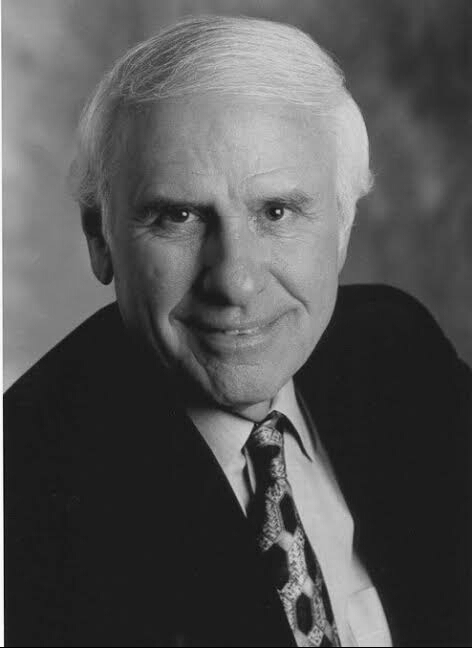
Robert I. Sutton is a professor of Management Science and Engineering at Stanford University and a co-founder of the Stanford Technology Ventures Program. He is known for his research on leadership, innovation, and workplace culture, and is the author of several bestselling books on organizational b...
Read more
Robert I. Sutton is a professor of Management Science and Engineering at Stanford University and a co-founder of the Stanford Technology Ventures Program. He is known for his research on leadership, innovation, and workplace culture, and is the author of several bestselling books on organizational b...
Robert I. Sutton is a professor of Management Science and Engineering at Stanford University and a co-founder of the Stanford Technology Ventures Program. He is known for his research on leadership, innovation, and workplace culture, and is the author of several bestselling books on organizational behavior.




Frequently Asked Questions
Robert I. Sutton is a professor of Management Science and Engineering at Stanford University and a co-founder of the Stanford Technology Ventures Program.
Read Robert I. Sutton's books in 15 minutes
Get AI-powered summaries with key insights from 5 books by Robert I. Sutton.