
Richard J. Herrnstein Books
Herrnstein (1930–1994) was an American psychologist known for his work on intelligence and behavior.
Known for: The Bell Curve: Intelligence and Class Structure in American Life
Books by Richard J. Herrnstein
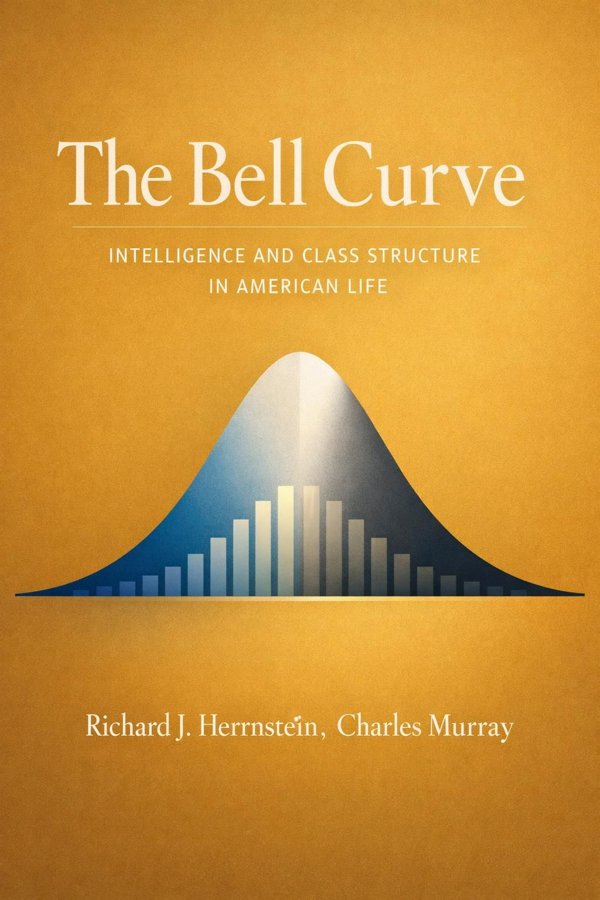
The Bell Curve: Intelligence and Class Structure in American Life
The Bell Curve is one of the most debated sociology books of the late twentieth century because it makes a sweeping and unsettling claim: cognitive ability is not just one influence among many, but a major force shaping education, work, family stability, poverty, and social hierarchy in the United States. Richard J. Herrnstein, a Harvard psychologist, and Charles Murray, a policy scholar, combine psychometrics, social science, and public policy analysis to argue that modern America increasingly sorts people by measured intelligence, creating a “cognitive elite” at the top and deeper disadvantage at the bottom. The book matters not only for its central thesis, but also for the fierce controversy it sparked over meritocracy, inequality, race, heredity, and the proper use of social science in public debate. Whether readers ultimately accept or reject its conclusions, the book forces confrontation with difficult questions about ability, opportunity, and fairness. It remains essential reading for anyone interested in sociology, education, public policy, stratification, and the politics of human difference.
Read SummaryKey Insights from Richard J. Herrnstein
How Intelligence Testing Shaped Modern Society
Few ideas have influenced modern institutions as quietly as the belief that intelligence can be measured. Herrnstein and Murray begin by tracing how this assumption moved from psychology labs into schools, the military, and the workplace. Early intelligence testing, especially through figures such a...
From The Bell Curve: Intelligence and Class Structure in American Life
The Rise of a Cognitive Elite
A meritocracy can sound democratic, yet it may produce a new aristocracy of talent. One of the book’s core claims is that twentieth-century America increasingly shifted from sorting people by birth, local status, or inherited wealth toward sorting them by cognitive ability. As higher education expan...
From The Bell Curve: Intelligence and Class Structure in American Life
Intelligence and the Architecture of Success
Success is often explained through motivation, family support, luck, and opportunity, but the authors argue that cognitive ability deserves far more explanatory weight than public discussion usually grants it. In their analysis, IQ strongly correlates with educational attainment, occupational status...
From The Bell Curve: Intelligence and Class Structure in American Life
Intelligence Beyond School and Work
A society reveals what it values by where it believes ability matters. Herrnstein and Murray push their argument beyond classrooms and offices, claiming that cognitive ability also predicts many social behaviors and life outcomes. They examine patterns involving unemployment, poverty, crime, illegit...
From The Bell Curve: Intelligence and Class Structure in American Life
Race, Group Differences, and Controversy
Some books become famous because they are insightful; this one became notorious because it entered one of the most morally and politically charged questions in American life. Herrnstein and Murray discuss average group differences in test scores among ethnic and racial populations, especially betwee...
From The Bell Curve: Intelligence and Class Structure in American Life
Meritocracy Can Deepen Social Division
A system built to reward talent can appear fair while quietly becoming more rigid. One of the book’s most provocative claims is that the same meritocratic institutions meant to open opportunity can also harden class divisions. As schools, universities, and employers become better at identifying high...
From The Bell Curve: Intelligence and Class Structure in American Life
About Richard J. Herrnstein
Herrnstein (1930–1994) was an American psychologist known for his work on intelligence and behavior.


Frequently Asked Questions
Herrnstein (1930–1994) was an American psychologist known for his work on intelligence and behavior.
Read Richard J. Herrnstein's books in 15 minutes
Get AI-powered summaries with key insights from 1 book by Richard J. Herrnstein.