
Philip Kotler Books
Philip Kotler is an American marketing author, consultant, and professor. He is known as the 'father of modern marketing' and has taught at the Kellogg School of Management at Northwestern University.
Known for: Marketing 5.0: Technology for Humanity, Marketing 3.0: From Products to Customers to the Human Spirit, Marketing Management
Books by Philip Kotler
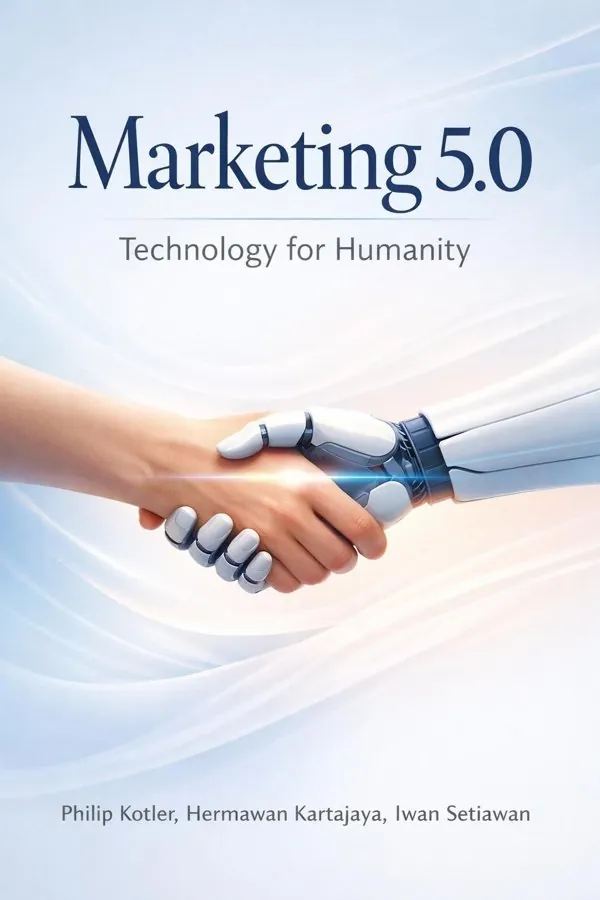
Marketing 5.0: Technology for Humanity
Marketing 5.0: Technology for Humanity explores one of the defining business challenges of our time: how companies can use advanced technology without losing sight of the people they serve. In this bo...
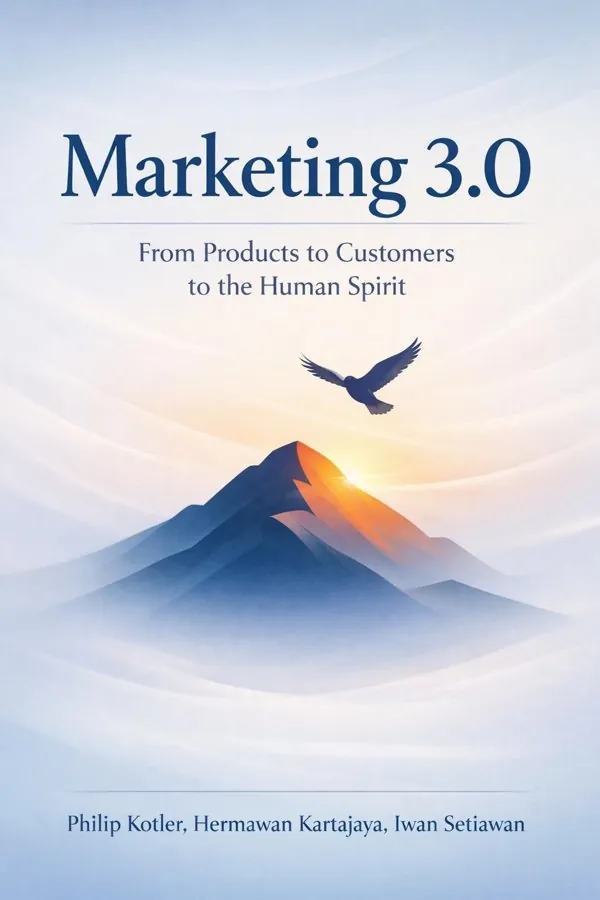
Marketing 3.0: From Products to Customers to the Human Spirit
Marketing 3.0 introduces a new paradigm in marketing that goes beyond product and consumer orientation to focus on the human spirit. Philip Kotler and his co-authors argue that companies must address ...
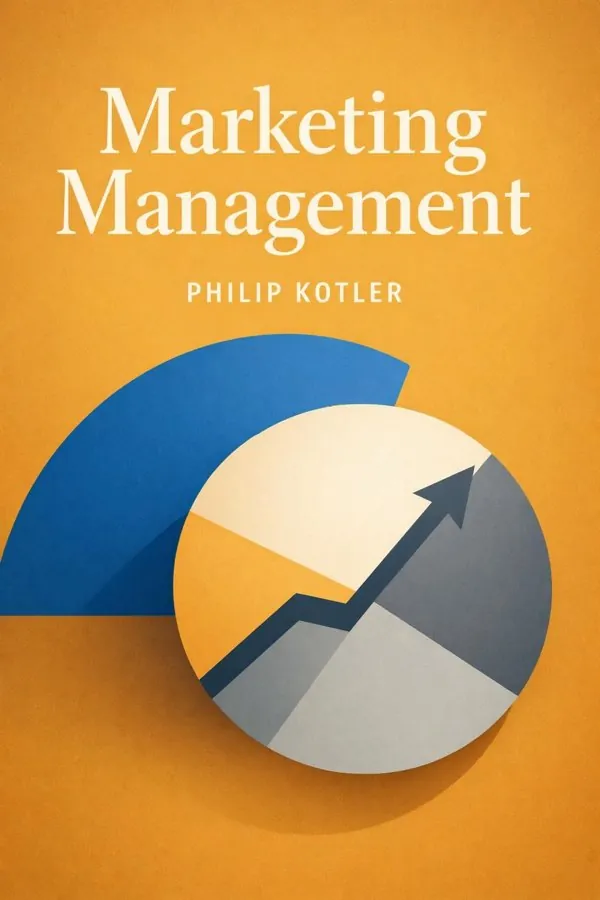
Marketing Management
Marketing Management is a foundational textbook in the field of marketing, offering a comprehensive framework for understanding marketing principles, strategies, and practices. It covers topics such a...
Key Insights from Philip Kotler
Technology Matters Only When It Serves People
A company can deploy the newest tools in the world and still fail if customers feel ignored, manipulated, or misunderstood. That is the central tension at the heart of Marketing 5.0. The book argues that technology is not the goal of modern marketing; it is the enabler. The true objective remains th...
From Marketing 5.0: Technology for Humanity
Generational Shifts Are Reshaping Customer Expectations
The marketplace is no longer defined by one dominant customer profile. It is a multigenerational arena where each group brings different expectations, digital habits, trust patterns, and buying behaviors. One of the book’s most useful contributions is its emphasis on understanding how demographic ch...
From Marketing 5.0: Technology for Humanity
Data-Driven Marketing Needs Human Interpretation
Data can reveal what customers do, but it does not automatically explain why they do it. One of the book’s key insights is that effective marketing in the age of technology requires both analytical power and human interpretation. Numbers matter, but meaning matters more. Marketing 5.0 emphasizes th...
From Marketing 5.0: Technology for Humanity
Predictive Marketing Anticipates Needs Before Demand Peaks
The most powerful marketing often happens before the customer explicitly asks for help. Marketing 5.0 introduces predictive marketing as a major capability in the technology-for-humanity era. Instead of reacting to customer behavior after the fact, companies can use data and machine learning to anti...
From Marketing 5.0: Technology for Humanity
Contextual Personalization Beats Generic Customization
Customers do not simply want brands to know their names. They want brands to understand their context. One of the most practical ideas in Marketing 5.0 is that personalization becomes meaningful only when it reflects timing, intent, channel, mood, and situational relevance. Many companies confuse p...
From Marketing 5.0: Technology for Humanity
Agile Organizations Win In Uncertain Markets
In a volatile environment, the biggest marketing advantage is often not budget or brand awareness, but speed of learning. Marketing 5.0 stresses that technological change, competitive pressure, and shifting customer behavior demand a more agile approach to marketing management. Traditional annual p...
From Marketing 5.0: Technology for Humanity
About Philip Kotler
Philip Kotler is an American marketing author, consultant, and professor. He is known as the 'father of modern marketing' and has taught at the Kellogg School of Management at Northwestern University. His work has profoundly influenced marketing theory and practice globally.




Frequently Asked Questions
Philip Kotler is an American marketing author, consultant, and professor. He is known as the 'father of modern marketing' and has taught at the Kellogg School of Management at Northwestern University.
Read Philip Kotler's books in 15 minutes
Get AI-powered summaries with key insights from 3 books by Philip Kotler.