

Marquis de Sade Books
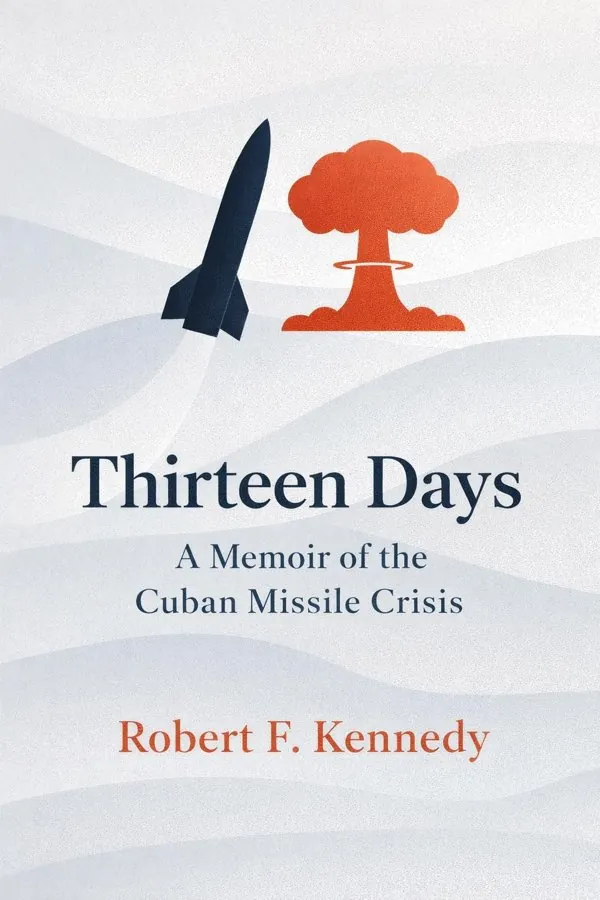
Robert Francis Kennedy (1925–1968) fue senador de los Estados Unidos por Nueva York y fiscal general durante la administración de su hermano, el presidente John F. Kennedy.
Known for: 120 Days of Sodom
Books by Marquis de Sade
120 Days of Sodom
Marquis de Sade’s 120 Days of Sodom is one of the most infamous works in literary history: unfinished, transgressive, philosophically provocative, and deeply disturbing. Framed around four wealthy libertines who retreat to a remote castle to catalog and enact escalating acts of domination and cruelty, the book is less a conventional novel than a systematic descent into moral extremity. Its notoriety comes not only from its explicit content but from the cold, methodical way it turns vice into a kind of grotesque logic. That makes it a difficult book to approach—but also one that has continued to attract readers, critics, and scholars interested in censorship, power, desire, and the limits of representation. De Sade wrote under imprisonment, and his work bears the mark of someone obsessed with freedom, authority, hypocrisy, and the violence hidden beneath respectable society. He is not an authority in any moral sense, but he remains a crucial literary and philosophical figure because he forces readers to confront what happens when appetite is detached from conscience. 120 Days of Sodom matters not because it is admirable, but because it reveals how literature can expose the darkest structures of power and human imagination.
Read SummaryKey Insights from Marquis de Sade
Power Becomes the Book’s True Subject
The most unsettling fact about 120 Days of Sodom is that sex is not its deepest subject—power is. Beneath the novel’s catalog of increasingly extreme acts lies a rigorous anatomy of domination. The four libertines are wealthy, connected, insulated men who build a private world in which their desires...
From 120 Days of Sodom
A Castle Built to Eliminate Restraint
One of de Sade’s boldest insights is that cruelty flourishes when people remove themselves from consequences. The secluded castle in 120 Days of Sodom is designed precisely for that purpose. It is isolated from society, law, public scrutiny, and ordinary moral feedback. Once inside, the libertines c...
From 120 Days of Sodom
Pleasure Without Ethics Becomes Destruction
A disturbing lesson runs through 120 Days of Sodom: when pleasure is severed from empathy, it can become indistinguishable from violence. The libertines treat desire as self-justifying. If they want something, they assume that wanting it is enough to make it permissible. De Sade pushes this logic to...
From 120 Days of Sodom
The Novel Mocks Aristocratic Impunity
For all its infamy, 120 Days of Sodom can also be read as a savage portrait of class privilege. The central figures are not outcasts; they are members of the elite. They possess wealth, social standing, education, and political influence. Their crimes become possible precisely because they inhabit a...
From 120 Days of Sodom
Storytelling Itself Becomes a Weapon
A striking feature of 120 Days of Sodom is the role played by narration. The libertines do not rely only on action; they rely on stories. Women are brought in to recount experiences and stimulate the imagination of their audience, and these tales then guide what follows. In other words, fantasy, spe...
From 120 Days of Sodom
Catalog and Repetition Create Moral Numbness
What makes 120 Days of Sodom exhausting as well as shocking is its method of accumulation. De Sade does not rely on a single scandalous scene. He builds a catalog. Episodes are arranged, repeated, classified, and intensified until the reader begins to feel the deadening effect of excess itself. This...
From 120 Days of Sodom
About Marquis de Sade
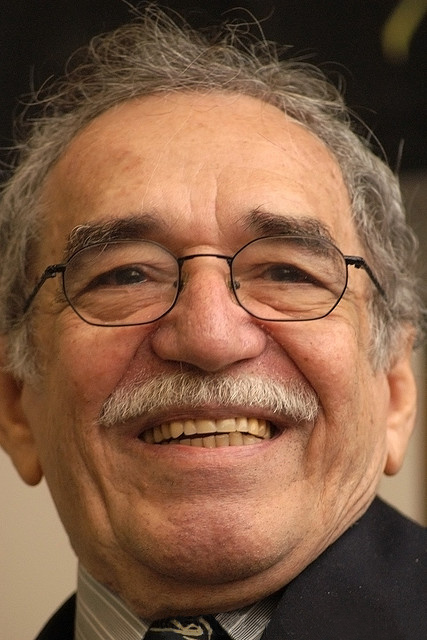
Robert Francis Kennedy (1925–1968) fue senador de los Estados Unidos por Nueva York y fiscal general durante la administración de su hermano, el presidente John F. Kennedy. Conocido por su compromiso con los derechos civiles y la justicia social, fue una figura destacada en la política estadounidens...
Read more
Robert Francis Kennedy (1925–1968) fue senador de los Estados Unidos por Nueva York y fiscal general durante la administración de su hermano, el presidente John F. Kennedy. Conocido por su compromiso con los derechos civiles y la justicia social, fue una figura destacada en la política estadounidens...
Robert Francis Kennedy (1925–1968) fue senador de los Estados Unidos por Nueva York y fiscal general durante la administración de su hermano, el presidente John F. Kennedy. Conocido por su compromiso con los derechos civiles y la justicia social, fue una figura destacada en la política estadounidense de los años sesenta.




Frequently Asked Questions
Robert Francis Kennedy (1925–1968) fue senador de los Estados Unidos por Nueva York y fiscal general durante la administración de su hermano, el presidente John F. Kennedy.
Read Marquis de Sade's books in 15 minutes
Get AI-powered summaries with key insights from 1 book by Marquis de Sade.