
Mark Rothko Books
Mark Rothko (1903–1970) fue un pintor estadounidense de origen letón, una de las figuras más influyentes del expresionismo abstracto. Su obra se caracteriza por grandes campos de color y una intensa exploración de la emoción humana a través de la forma y la luz.
Known for: The Artist’s Reality: Philosophies of Art
Books by Mark Rothko
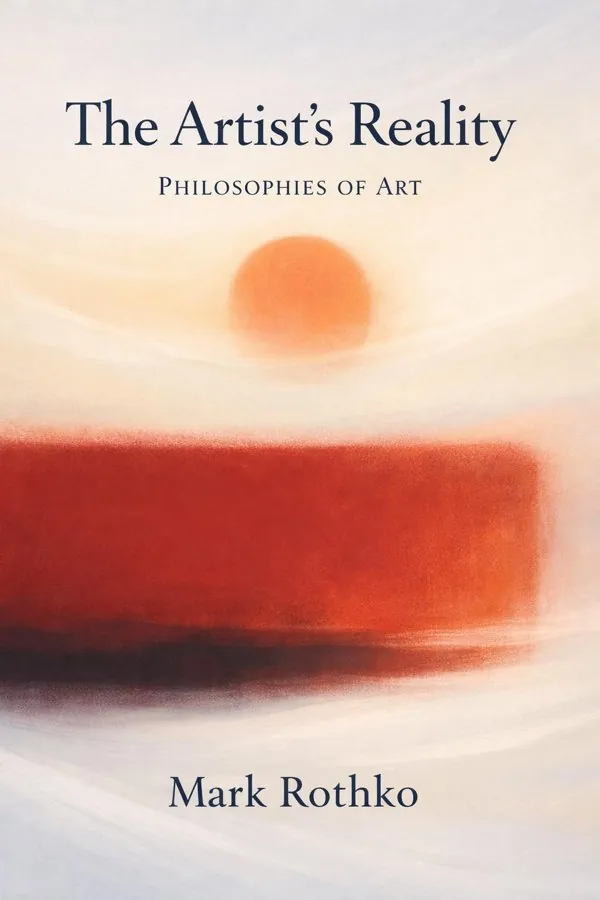
The Artist’s Reality: Philosophies of Art
The Artist’s Reality: Philosophies of Art opens a rare window into the mind of Mark Rothko before he became famous for the luminous color-field paintings that transformed modern art. Drawn from unpublished writings composed largely in the 1940s and released after his death, the book gathers his reflections on what art is, why it matters, and what responsibility the artist bears in a fractured modern world. Rather than offering a technical manual or academic theory, Rothko builds a passionate philosophy of art rooted in human feeling, myth, beauty, and spiritual necessity. What makes this book so compelling is that it reveals Rothko not only as a painter but as a serious thinker. He argues that art is not decoration, imitation, or style for its own sake. It is a profound attempt to give form to inner experience and to reconnect people with truths modern life often suppresses. His ideas remain strikingly relevant in an age saturated with images but hungry for meaning. For artists, students, and anyone interested in creativity, this book offers a powerful reminder that great art begins where surface appearance ends.
Read SummaryKey Insights from Mark Rothko
Art Begins Beyond Mere Representation
The most important mistake people make about art, Rothko suggests, is assuming that its purpose is simply to copy the visible world. A painting may contain recognizable objects, technical skill, or pleasing composition, but these alone do not make it art in the deepest sense. For Rothko, true art be...
From The Artist’s Reality: Philosophies of Art
The Artist Serves as a Human Mediator
Rothko sees the artist not as an entertainer or decorator, but as a mediator between visible life and invisible meaning. This does not mean the artist is morally superior or mystical in a grandiose sense. It means the artist performs a difficult human task: translating deep, often inexpressible expe...
From The Artist’s Reality: Philosophies of Art
Beauty Is More Than Pleasant Surface
One of Rothko’s most challenging claims is that beauty cannot be reduced to prettiness, harmony, or decorative pleasure. Conventional aesthetics often treats beauty as what is agreeable to the senses. Rothko pushes further. Beauty in art emerges when a work achieves necessity, intensity, and truth. ...
From The Artist’s Reality: Philosophies of Art
Myth Gives Art Universal Human Depth
Rothko believed myth is not an outdated set of stories but one of art’s most powerful tools for expressing permanent human realities. Myths endure because they dramatize recurring experiences: creation and destruction, sacrifice and renewal, fate and freedom, loneliness and communion. For Rothko, th...
From The Artist’s Reality: Philosophies of Art
Subject Matter Is Never the Whole Point
People often assume that the importance of an artwork lies in its subject matter: what scene it shows, what event it references, or what objects it contains. Rothko challenges this assumption. Subject matter matters, but only as a starting point. The deeper issue is what the artist does with that ma...
From The Artist’s Reality: Philosophies of Art
Modern Society Often Undermines Serious Art
Rothko writes from a modern world marked by war, industrialization, mass culture, and spiritual dislocation. In such conditions, the artist faces a difficult challenge: how to create work of depth in a society that increasingly values speed, utility, novelty, and consumption. Serious art asks for co...
From The Artist’s Reality: Philosophies of Art
About Mark Rothko
Mark Rothko (1903–1970) fue un pintor estadounidense de origen letón, una de las figuras más influyentes del expresionismo abstracto. Su obra se caracteriza por grandes campos de color y una intensa exploración de la emoción humana a través de la forma y la luz.
Frequently Asked Questions
Mark Rothko (1903–1970) fue un pintor estadounidense de origen letón, una de las figuras más influyentes del expresionismo abstracto. Su obra se caracteriza por grandes campos de color y una intensa exploración de la emoción humana a través de la forma y la luz.
Read Mark Rothko's books in 15 minutes
Get AI-powered summaries with key insights from 1 book by Mark Rothko.