
Lillie Weiss Books
Lillie Weiss, Ph. D.
Known for: The Therapist’s Guide to Self-Care: Practical Therapist-Focused Lifestyle Strategies
Books by Lillie Weiss
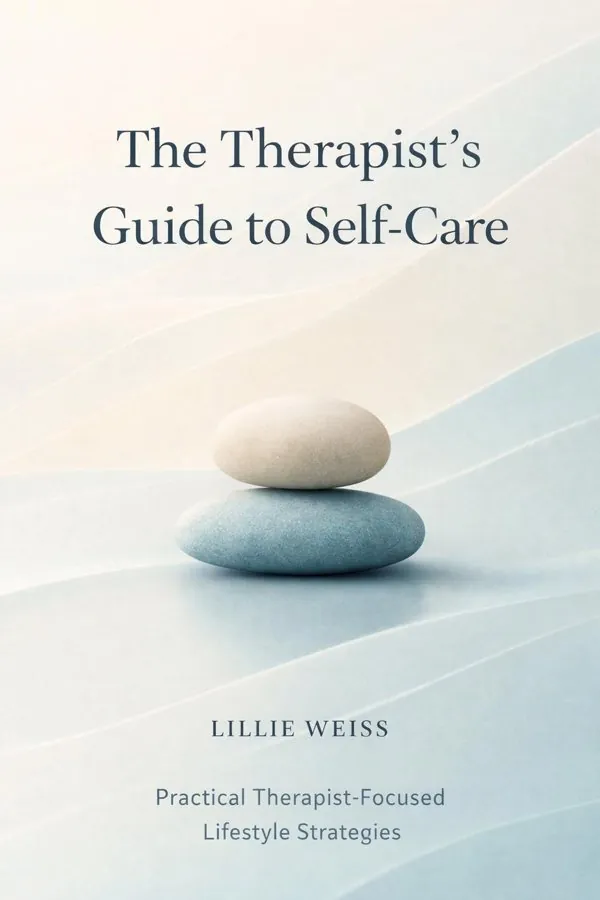
The Therapist’s Guide to Self-Care: Practical Therapist-Focused Lifestyle Strategies
Therapists are trained to notice the pain, patterns, and possibilities in other people’s lives, but far less often are they taught how to protect their own inner resources while doing that work. In The Therapist’s Guide to Self-Care, Lillie Weiss addresses that gap directly. This practical, therapist-centered guide explores how clinicians can sustain emotional health, prevent burnout, and build habits that support both professional effectiveness and personal well-being. Rather than treating self-care as a vague luxury or a generic wellness slogan, Weiss presents it as an ethical, clinical, and deeply practical necessity. The book matters because psychotherapy is emotionally intensive work. Clinicians absorb trauma narratives, manage complex relationships, navigate professional isolation, and often carry a quiet pressure to remain endlessly available and composed. Weiss, a clinical psychologist and educator, brings authority to this topic through her understanding of the psychological demands of therapeutic practice and the developmental needs of therapists themselves. Her message is clear: caring for the self is not separate from caring for clients. It is one of the conditions that makes sound, compassionate, and sustainable practice possible.
Read SummaryKey Insights from Lillie Weiss
Burnout Begins Before Crisis Appears
Burnout rarely arrives as a dramatic collapse; more often, it begins as a subtle dimming of vitality. A therapist may still show up on time, complete notes, and maintain a professional tone while inwardly feeling less present, less hopeful, and less emotionally available. Weiss emphasizes that burno...
From The Therapist’s Guide to Self-Care: Practical Therapist-Focused Lifestyle Strategies
Therapy Requires Deep Emotional Labor
Therapy is not just an intellectual profession; it is a repeated act of emotional presence. Weiss highlights that clinicians do far more than analyze symptoms or apply treatment techniques. They regulate themselves in the room, absorb intense stories, tolerate uncertainty, and communicate steadiness...
From The Therapist’s Guide to Self-Care: Practical Therapist-Focused Lifestyle Strategies
Knowing Your Limits Protects Everyone
Many therapists are taught to stretch, accommodate, and remain available, but Weiss insists that self-awareness around limits is a professional strength, not a deficiency. Therapists who ignore their emotional, physical, cognitive, or relational limits become more vulnerable to poor judgment, bounda...
From The Therapist’s Guide to Self-Care: Practical Therapist-Focused Lifestyle Strategies
Self-Care Must Be Structured, Not Sporadic
A common mistake among helping professionals is treating self-care as something to do after exhaustion appears. Weiss argues that effective self-care is not reactive indulgence but a deliberate, ongoing plan. Without structure, even therapists who value wellness tend to postpone it in favor of clien...
From The Therapist’s Guide to Self-Care: Practical Therapist-Focused Lifestyle Strategies
Stress Needs Active Regulation Skills
Stress does not disappear because therapists understand psychology. Weiss reminds readers that insight alone is not enough; clinicians also need practical methods to regulate their bodies and minds in real time. Given the pace and emotional load of clinical work, stress management must include concr...
From The Therapist’s Guide to Self-Care: Practical Therapist-Focused Lifestyle Strategies
Work-Life Balance Requires Real Boundaries
Balance is not achieved by good intentions alone; it depends on boundaries strong enough to protect a life outside the therapy room. Weiss argues that therapists are especially vulnerable to blurred boundaries because the profession rewards responsiveness, empathy, and emotional availability. Withou...
From The Therapist’s Guide to Self-Care: Practical Therapist-Focused Lifestyle Strategies
About Lillie Weiss
Lillie Weiss, Ph.D., is a clinical psychologist and educator known for her work on therapist self-care and professional development. She has written extensively on the emotional demands of psychotherapy and the importance of maintaining personal wellness in clinical practice.




Frequently Asked Questions
Lillie Weiss, Ph. D.
Read Lillie Weiss's books in 15 minutes
Get AI-powered summaries with key insights from 1 book by Lillie Weiss.