
Jeremy Keeshin Books
Jeremy Keeshin is the co-founder and CEO of CodeHS, an education platform that helps schools teach computer science. He is passionate about making coding education accessible and engaging for everyone, and he has extensive experience developing curriculum and tools for learning programming.
Known for: Read Write Code: A Friendly Introduction to the World of Programming
Books by Jeremy Keeshin
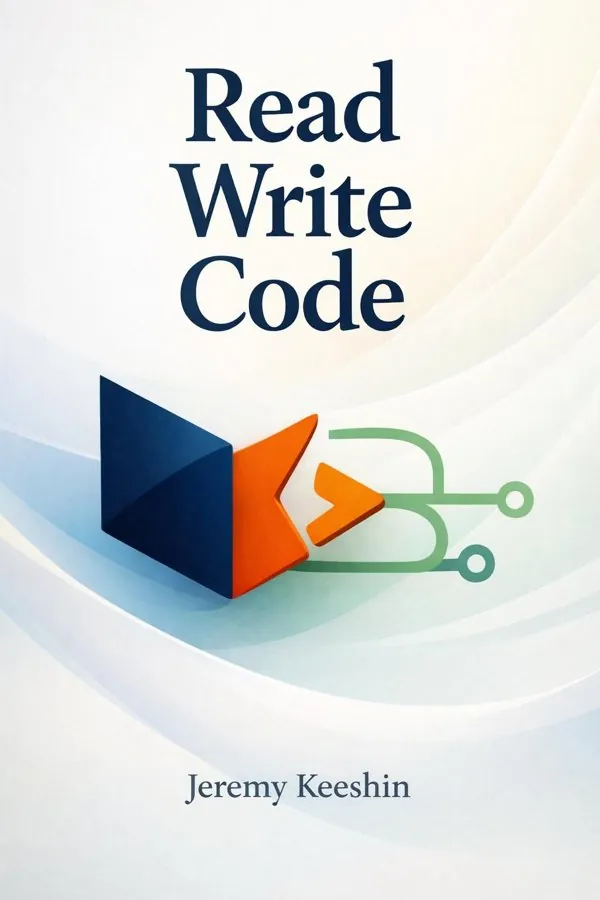
Read Write Code: A Friendly Introduction to the World of Programming
Read Write Code: A Friendly Introduction to the World of Programming makes a powerful case for treating programming as a modern form of literacy. Rather than presenting coding as a mysterious skill reserved for engineers, Jeremy Keeshin shows that software is now woven into everyday life, shaping how we communicate, learn, work, shop, travel, and participate in society. The book introduces the basic ideas behind programming in plain language, helping beginners understand what code is, how computers follow instructions, and why computational thinking matters far beyond the tech industry. It also explores the broader cultural and educational importance of computer science, arguing that people should not only use technology but also understand and question it. Keeshin writes with the perspective of both an educator and entrepreneur. As the co-founder and CEO of CodeHS, he has spent years helping schools bring computer science into the classroom and making coding approachable for first-time learners. His message is clear and timely: learning to code is not just about career preparation. It is about empowerment, creativity, and active citizenship in a digital world.
Read SummaryKey Insights from Jeremy Keeshin
Technology Evolved Into a Written World
One of the most revealing ways to understand modern life is to see that our world increasingly runs on instructions. Keeshin begins by placing programming in a long human story of invention. Early tools extended physical power, from levers to engines, but computers extended mental power by automatin...
From Read Write Code: A Friendly Introduction to the World of Programming
Code Is Human Writing for Machines
A computer seems intelligent only until you remember that it cannot improvise meaning on its own. Keeshin explains that code is simply a precise set of instructions written by humans for machines to execute. Computers are fast and reliable, but they are also literal. They do exactly what they are to...
From Read Write Code: A Friendly Introduction to the World of Programming
Programming Begins with Computational Thinking
Before coding becomes a technical skill, it begins as a way of thinking. Keeshin emphasizes computational thinking as the mental framework behind programming. This means learning to take a complex problem and make it manageable by breaking it into parts, identifying patterns, removing unnecessary de...
From Read Write Code: A Friendly Introduction to the World of Programming
Software Quietly Shapes Everyday Experience
The most powerful technologies are often the ones we stop noticing. Keeshin highlights how software has become invisible infrastructure, governing much of daily life in ways users rarely see. Search engines decide what information appears first. Social media platforms influence what people read and ...
From Read Write Code: A Friendly Introduction to the World of Programming
Learning to Code Starts Small
Many people avoid coding because they assume the entry barrier is impossibly high. Keeshin directly counters that fear by showing that effective learning begins with simple, manageable steps. You do not start by building a complex app or mastering every concept. You start by writing a few lines, see...
From Read Write Code: A Friendly Introduction to the World of Programming
Different Languages Serve Different Purposes
A common misconception is that there is one universal way to code. Keeshin explains that programming languages are tools, and different tools are designed for different jobs. Some languages are valued for readability and beginner friendliness, while others are built for speed, system-level control, ...
From Read Write Code: A Friendly Introduction to the World of Programming
About Jeremy Keeshin
Jeremy Keeshin is the co-founder and CEO of CodeHS, an education platform that helps schools teach computer science. He is passionate about making coding education accessible and engaging for everyone, and he has extensive experience developing curriculum and tools for learning programming.
Frequently Asked Questions
Jeremy Keeshin is the co-founder and CEO of CodeHS, an education platform that helps schools teach computer science. He is passionate about making coding education accessible and engaging for everyone, and he has extensive experience developing curriculum and tools for learning programming.
Read Jeremy Keeshin's books in 15 minutes
Get AI-powered summaries with key insights from 1 book by Jeremy Keeshin.