
Jeffrey Hull Books
Jeffrey Hull, Ph. D.
Known for: The Science of Leadership: Lessons from Research for Organizational Leaders
Books by Jeffrey Hull
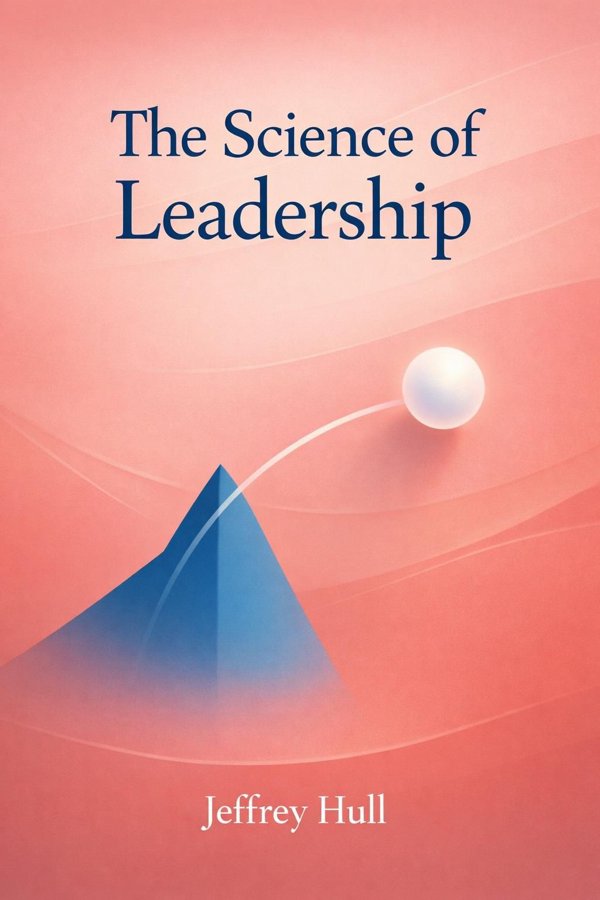
The Science of Leadership: Lessons from Research for Organizational Leaders
Leadership is often treated as a matter of instinct, charisma, or personality, but Jeffrey Hull argues that effective leadership can be understood, developed, and improved through evidence. In The Science of Leadership, he brings together insights from psychology, neuroscience, and organizational behavior to show what actually helps leaders perform well in complex, fast-changing environments. Rather than relying on vague inspiration or management clichés, Hull focuses on research-backed principles that explain how leaders build trust, regulate emotion, make sound decisions, motivate teams, and adapt under pressure. What makes this book especially valuable is its ability to translate academic findings into practical leadership habits. Hull does not present science as abstract theory; he shows how it applies to meetings, conflict, change initiatives, feedback conversations, hiring decisions, and team culture. His perspective carries weight because he writes as both a psychologist and an executive coach who has worked closely with organizational leaders. The result is a book that bridges the gap between scholarship and practice, helping readers understand not only what great leadership looks like, but why it works and how to build it deliberately.
Read SummaryKey Insights from Jeffrey Hull
Leadership Theory Has Evolved Dramatically
A powerful leadership lesson begins with humility: much of what people believe about leadership is outdated. Early leadership research was dominated by trait theories, which assumed that great leaders were born with fixed characteristics such as confidence, intelligence, or charisma. Later, behavior...
From The Science of Leadership: Lessons from Research for Organizational Leaders
The Brain Shapes Leadership Behavior
Leadership is not just a social skill; it is a biological event happening in real time in the brain. Hull draws on neuroscience to show that leadership decisions, emotional reactions, and interpersonal influence are rooted in neural processes. This matters because many leadership failures do not com...
From The Science of Leadership: Lessons from Research for Organizational Leaders
Emotional Intelligence Drives Real Influence
The leaders who leave the strongest mark are not always the smartest in the room; they are often the most emotionally intelligent. Hull treats emotional intelligence as a core leadership capability because leadership happens through relationships, and relationships are shaped by emotional awareness,...
From The Science of Leadership: Lessons from Research for Organizational Leaders
Adaptability Beats Rigid Leadership Styles
In unstable environments, the most dangerous sentence a leader can say is, “This is how I always lead.” Hull argues that adaptability is one of the defining traits of effective modern leadership because organizations now face continuous change, shifting stakeholder demands, technological disruption,...
From The Science of Leadership: Lessons from Research for Organizational Leaders
Resilience Sustains Performance Under Pressure
A leader’s true capacity is often revealed not in calm periods but in moments of strain. Hull presents resilience as a critical leadership competence because the modern workplace exposes leaders to constant pressure: uncertainty, overload, conflict, rapid change, and the emotional demands of managin...
From The Science of Leadership: Lessons from Research for Organizational Leaders
Diversity Strengthens Judgment and Innovation
Organizations often speak about diversity as a moral value, but Hull makes clear that it is also a leadership performance issue. Diverse teams, when led well, can generate better decisions, broader insight, and stronger innovation because they bring different perspectives, experiences, and ways of i...
From The Science of Leadership: Lessons from Research for Organizational Leaders
About Jeffrey Hull
Jeffrey Hull, Ph.D., is an executive coach, psychologist, and leadership expert. He serves as a clinical instructor in psychology at Harvard Medical School and is the Executive Director of the Institute of Coaching at McLean Hospital. Hull has worked with leaders across industries, focusing on emoti...
Read more
Jeffrey Hull, Ph.D., is an executive coach, psychologist, and leadership expert. He serves as a clinical instructor in psychology at Harvard Medical School and is the Executive Director of the Institute of Coaching at McLean Hospital. Hull has worked with leaders across industries, focusing on emoti...
Jeffrey Hull, Ph.D., is an executive coach, psychologist, and leadership expert. He serves as a clinical instructor in psychology at Harvard Medical School and is the Executive Director of the Institute of Coaching at McLean Hospital. Hull has worked with leaders across industries, focusing on emotional intelligence, communication, and organizational transformation.



Frequently Asked Questions
Jeffrey Hull, Ph. D.
Read Jeffrey Hull's books in 15 minutes
Get AI-powered summaries with key insights from 1 book by Jeffrey Hull.