
Christopher Browning Books
Lu Yao (1949–1992), born Wang Weiguo in Qingjian, Shaanxi Province, was a prominent Chinese novelist known for his realistic depictions of ordinary life during China's social transformation. His major works include Life and Ordinary World, which earned him the Mao Dun Literature Prize.
Known for: Ordinary Men
Books by Christopher Browning
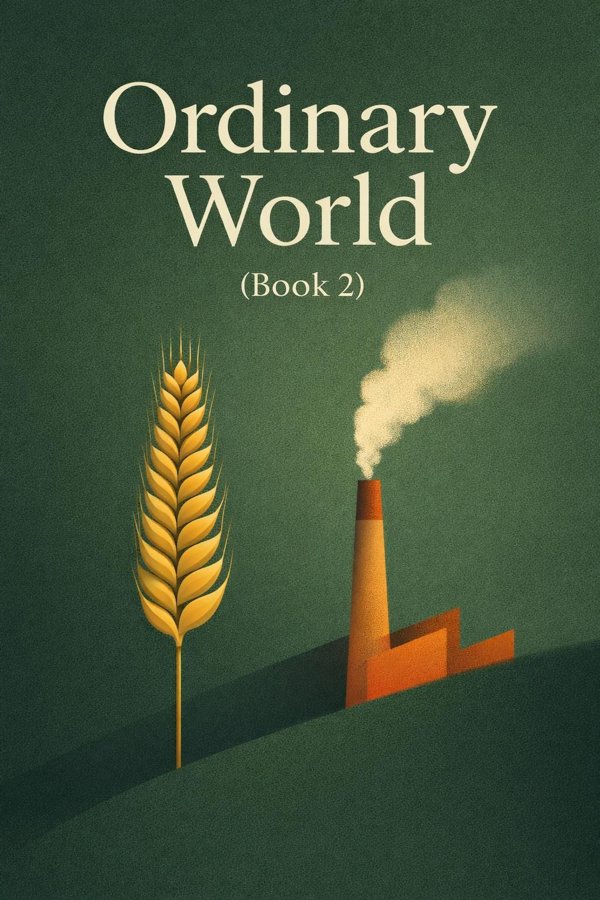
Ordinary Men
Ordinary Men by historian Christopher R. Browning is one of the most unsettling and important works ever written about the Holocaust. First published in 1992 and based largely on postwar testimonies and archival records, the book examines Reserve Police Battalion 101, a unit of middle-aged, working- and lower-middle-class German men who were not elite Nazi fanatics, yet became participants in mass shootings, deportations, and genocide in Nazi-occupied Poland. Browning’s central question is profoundly disturbing: how did seemingly ordinary people become killers? Rather than offering easy moral distance, he reconstructs the social pressures, career incentives, ideological conditioning, fear, conformity, and gradual moral erosion that made atrocity possible. The book matters because it shifts the focus from monstrous exceptions to human vulnerability under systems of power. Browning writes with scholarly restraint, moral seriousness, and deep archival rigor, making his argument both credible and devastating. Ordinary Men is not simply a history of one battalion; it is a warning about obedience, group loyalty, bureaucratic violence, and the terrifying capacity for evil embedded in everyday human behavior.
Read SummaryKey Insights from Christopher Browning
Ordinary People Can Become Perpetrators
One of the most frightening truths in history is that mass murder is often carried out not by obvious monsters, but by people who look painfully familiar. Browning’s study of Reserve Police Battalion 101 shows that the men involved were largely middle-aged Germans from Hamburg, many from working-cla...
From Ordinary Men
The First Kill Is the Hardest
Atrocity often begins not with enthusiasm, but with a threshold crossing. Browning pays close attention to the battalion’s early massacre at Józefów, where the men were ordered to round up Jews, select some for labor, and shoot the rest. Many of the policemen were visibly distressed. Some wept, some...
From Ordinary Men
Peer Pressure Can Overpower Conscience
People like to believe they would stand alone against wrongdoing, but Browning shows how rare and difficult that can be. In Reserve Police Battalion 101, direct coercion was often less important than social conformity. At key moments, men could sometimes step aside from killing duties without severe...
From Ordinary Men
Authority Legitimizes the Unthinkable
Evil often wears the language of duty. Browning demonstrates how official orders transformed murder into a task to be administered. When commanders framed actions as military necessity, state policy, or lawful anti-partisan work, many policemen accepted the moral reclassification. Victims became cat...
From Ordinary Men
Ideology Makes Victims Seem Less Human
Mass violence is easier when victims are imagined as less than fully human. Browning does not argue that every man in Battalion 101 was a fanatical antisemite, but he shows that the battalion operated within a broader culture saturated by Nazi racial ideology. Years of propaganda had taught Germans ...
From Ordinary Men
Careerism and Convenience Enable Evil
Not every perpetrator kills from hatred; some kill because resistance seems costly and compliance seems easier. Browning shows that the men of Battalion 101 were influenced not only by ideology and authority, but also by self-interest, habit, and convenience. Refusing an assignment might harm one’s ...
From Ordinary Men
About Christopher Browning
Lu Yao (1949–1992), born Wang Weiguo in Qingjian, Shaanxi Province, was a prominent Chinese novelist known for his realistic depictions of ordinary life during China's social transformation. His major works include Life and Ordinary World, which earned him the Mao Dun Literature Prize. Lu Yao’s writ...
Read more
Lu Yao (1949–1992), born Wang Weiguo in Qingjian, Shaanxi Province, was a prominent Chinese novelist known for his realistic depictions of ordinary life during China's social transformation. His major works include Life and Ordinary World, which earned him the Mao Dun Literature Prize. Lu Yao’s writ...
Lu Yao (1949–1992), born Wang Weiguo in Qingjian, Shaanxi Province, was a prominent Chinese novelist known for his realistic depictions of ordinary life during China's social transformation. His major works include Life and Ordinary World, which earned him the Mao Dun Literature Prize. Lu Yao’s writing is celebrated for its deep empathy and portrayal of perseverance and human spirit.




Frequently Asked Questions
Lu Yao (1949–1992), born Wang Weiguo in Qingjian, Shaanxi Province, was a prominent Chinese novelist known for his realistic depictions of ordinary life during China's social transformation. His major works include Life and Ordinary World, which earned him the Mao Dun Literature Prize.
Read Christopher Browning's books in 15 minutes
Get AI-powered summaries with key insights from 1 book by Christopher Browning.