
Caroline C. Packard Books
Packard is an attorney and mediator with expertise in organizational and community conflict.
Known for: The Mediator's Handbook
Books by Caroline C. Packard
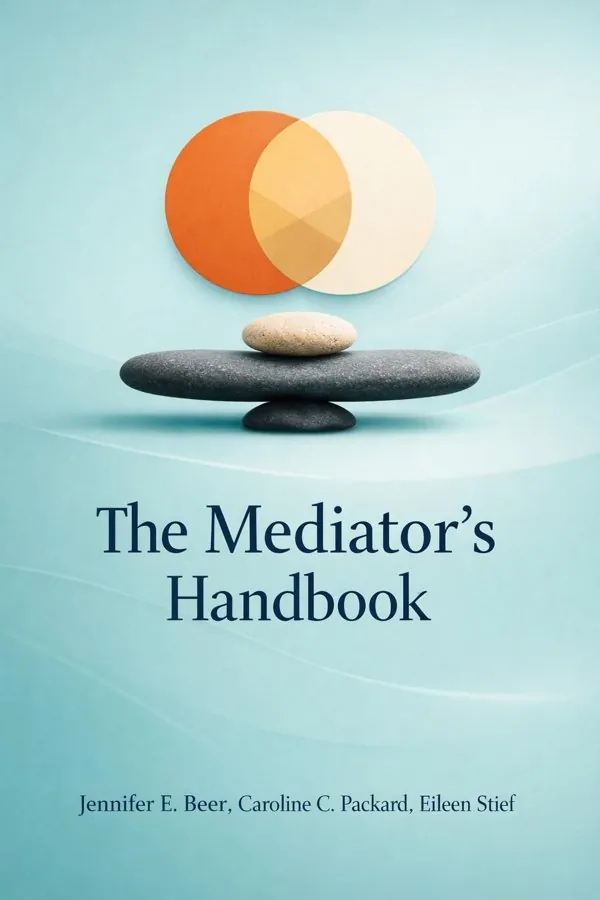
The Mediator's Handbook
Conflict rarely begins with hatred; more often, it begins with unmet needs, clashing assumptions, and conversations that go wrong. The Mediator's Handbook by Jennifer E. Beer, Caroline C. Packard, and Eileen Stief is a practical guide to what happens next: how people can move from accusation and stalemate toward clarity, mutual understanding, and workable agreement. Written by experienced practitioners in mediation, law, training, and cross-cultural conflict resolution, the book combines principle with method. It explains not only what mediators do, but how they think, listen, structure difficult conversations, and help people generate solutions they can actually live with. What makes this handbook especially valuable is its grounded, usable approach. It treats mediation as both a disciplined process and a human art, one that depends on neutrality, trust-building, ethical judgment, and communication skill. Whether the conflict involves families, workplaces, organizations, neighborhoods, or communities, the book shows how mediation can transform destructive patterns into constructive dialogue. For mediators, managers, facilitators, coaches, and anyone who regularly navigates tension, this is an enduring manual for handling conflict with wisdom and integrity.
Read SummaryKey Insights from Caroline C. Packard
Mediation Creates a Structure for Peace
Most conflicts do not persist because solutions are impossible; they persist because communication has broken down so badly that people can no longer search for solutions together. That is the core insight behind mediation. The book presents mediation as a structured conversation designed to help pe...
From The Mediator's Handbook
Conflict Escalates in Predictable Ways
Conflict often feels chaotic from the inside, but one of the book’s most useful lessons is that escalation follows recognizable patterns. A difference in needs, values, or expectations becomes a dispute when parties start interpreting each other’s actions through fear, suspicion, or resentment. Misu...
From The Mediator's Handbook
Preparation Often Determines the Outcome
Many people imagine mediation begins when everyone sits in the same room. In practice, some of the most important work happens before the joint conversation ever starts. The handbook stresses preparation as a decisive stage: understanding the nature of the dispute, clarifying who needs to be involve...
From The Mediator's Handbook
A Strong Process Builds Productive Dialogue
When emotions run high, structure is not a constraint; it is a form of protection. The book lays out mediation as a sequence with purpose: opening the session, setting ground rules, hearing each side’s story, identifying issues, exploring interests, generating options, negotiating terms, and closing...
From The Mediator's Handbook
Listening Is the Mediator’s Primary Tool
People in conflict often listen to reply, defend, or attack. Mediators listen to understand, organize, and reveal what is really being said beneath the surface. The handbook treats communication not as a soft skill on the margins of mediation, but as the heart of the entire practice. Through attenti...
From The Mediator's Handbook
Interests Matter More Than Positions
A position is what someone says they want; an interest is why they want it. This distinction is one of the most important ideas in the handbook. Conflicts become stuck when parties argue over fixed demands without exploring the needs, fears, values, and practical concerns beneath them. Mediation cre...
From The Mediator's Handbook
About Caroline C. Packard
Packard is an attorney and mediator with expertise in organizational and community conflict.


Frequently Asked Questions
Packard is an attorney and mediator with expertise in organizational and community conflict.
Read Caroline C. Packard's books in 15 minutes
Get AI-powered summaries with key insights from 1 book by Caroline C. Packard.