
Andrew Newberg Books
Andrew Newberg is an American neuroscientist known for his research on the relationship between brain function and religious experience.
Known for: Words Can Change Your Brain: 12 Conversation Strategies to Build Trust, Resolve Conflict, and Increase Intimacy
Books by Andrew Newberg
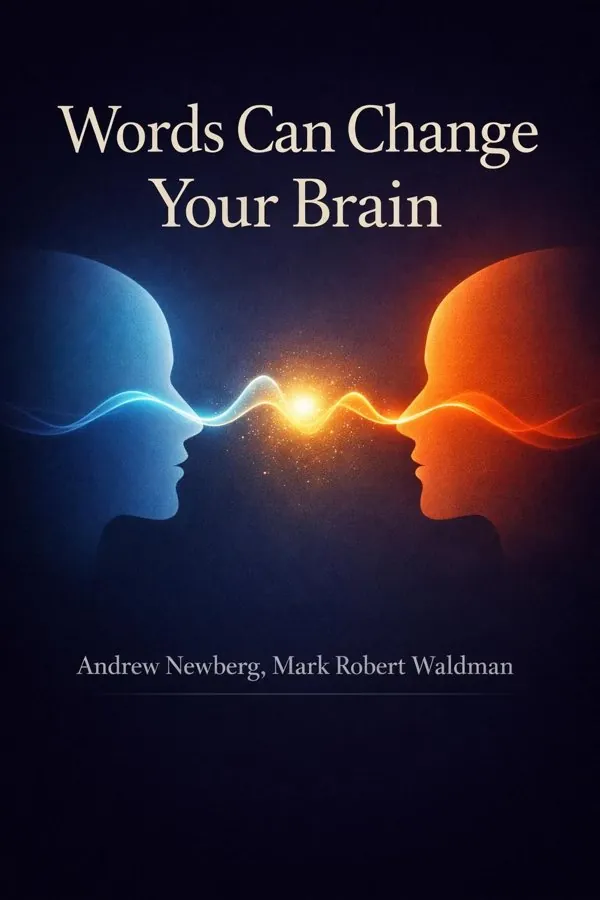
Words Can Change Your Brain: 12 Conversation Strategies to Build Trust, Resolve Conflict, and Increase Intimacy
Words are never just sounds. According to Andrew Newberg and Mark Robert Waldman, every conversation subtly reshapes the brain, influencing stress, trust, empathy, and even the quality of our closest relationships. In Words Can Change Your Brain, the authors bring together neuroscience, psychology, and communication practice to show how language can calm fear, strengthen emotional bonds, and reduce conflict. Their central claim is both simple and profound: the way we speak and listen has measurable biological effects, and with greater awareness, we can use conversation to heal rather than harm. What makes this book especially valuable is its practical focus. It does not stop at theory about the brain; it turns research into usable strategies for everyday life, from family disagreements and workplace tension to intimate conversations with partners. Newberg, a neuroscientist known for his brain-imaging research, and Waldman, a communication expert, combine scientific credibility with actionable advice. The result is a persuasive guide to mindful communication—one that helps readers understand not only what to say, but how to say it in ways that foster safety, respect, and genuine connection.
Read SummaryKey Insights from Andrew Newberg
How Words Reshape the Brain
A single word can act like a neurological trigger. That is one of the book’s most striking insights: language does not merely express thought, it actively alters brain activity in both the speaker and the listener. Newberg and Waldman draw on brain imaging research to show that negative words can st...
From Words Can Change Your Brain: 12 Conversation Strategies to Build Trust, Resolve Conflict, and Increase Intimacy
Compassion Begins Before You Speak
The most important part of communication may happen before a single sentence is spoken. The authors argue that compassionate communication starts as an intention: a deliberate inner choice to connect rather than control, understand rather than win. That quiet shift changes the emotional and neurolog...
From Words Can Change Your Brain: 12 Conversation Strategies to Build Trust, Resolve Conflict, and Increase Intimacy
Slowing Down Creates Neural Safety
Speed is often the hidden enemy of understanding. In emotionally charged conversations, people tend to talk faster, interrupt more, and rush toward conclusions. The book emphasizes that slowing down is not merely a conversational style choice; it is a neurological strategy that helps regulate emotio...
From Words Can Change Your Brain: 12 Conversation Strategies to Build Trust, Resolve Conflict, and Increase Intimacy
Deep Listening Builds Real Trust
Most people listen in order to reply, defend themselves, or prove a point. Genuine listening is much rarer—and far more transformative. Newberg and Waldman present listening as one of the most powerful tools for building trust because attentive presence can calm the brain, increase emotional securit...
From Words Can Change Your Brain: 12 Conversation Strategies to Build Trust, Resolve Conflict, and Increase Intimacy
Positive Language Encourages Mental Growth
The brain responds differently to possibility than to threat. One of the book’s core lessons is that positive language can support neural growth by fostering openness, motivation, and resilience. This is not about forced optimism or denying painful realities. It is about recognizing that the words w...
From Words Can Change Your Brain: 12 Conversation Strategies to Build Trust, Resolve Conflict, and Increase Intimacy
Reframing Conflict Reduces Emotional Damage
Conflict becomes destructive not only because of disagreement, but because of the story people attach to it. The book shows that reframing negativity is a crucial skill for resolving tension without deepening injury. When people interpret conflict as proof of disrespect, rejection, or permanent inco...
From Words Can Change Your Brain: 12 Conversation Strategies to Build Trust, Resolve Conflict, and Increase Intimacy
About Andrew Newberg
Andrew Newberg is an American neuroscientist known for his research on the relationship between brain function and religious experience.


Frequently Asked Questions
Andrew Newberg is an American neuroscientist known for his research on the relationship between brain function and religious experience.
Read Andrew Newberg's books in 15 minutes
Get AI-powered summaries with key insights from 1 book by Andrew Newberg.